Commercial Roof Warranty Management in Santa Maria, CA
Organize the roof file before the next service request
Arrange a roof inspection and share the warranty, prior repairs, and any active leak report. We will document the roof area, condition, and repair boundary so you have a clear record for the next manufacturer or maintenance discussion.
Request a roof assessment or call 555-555-5555.
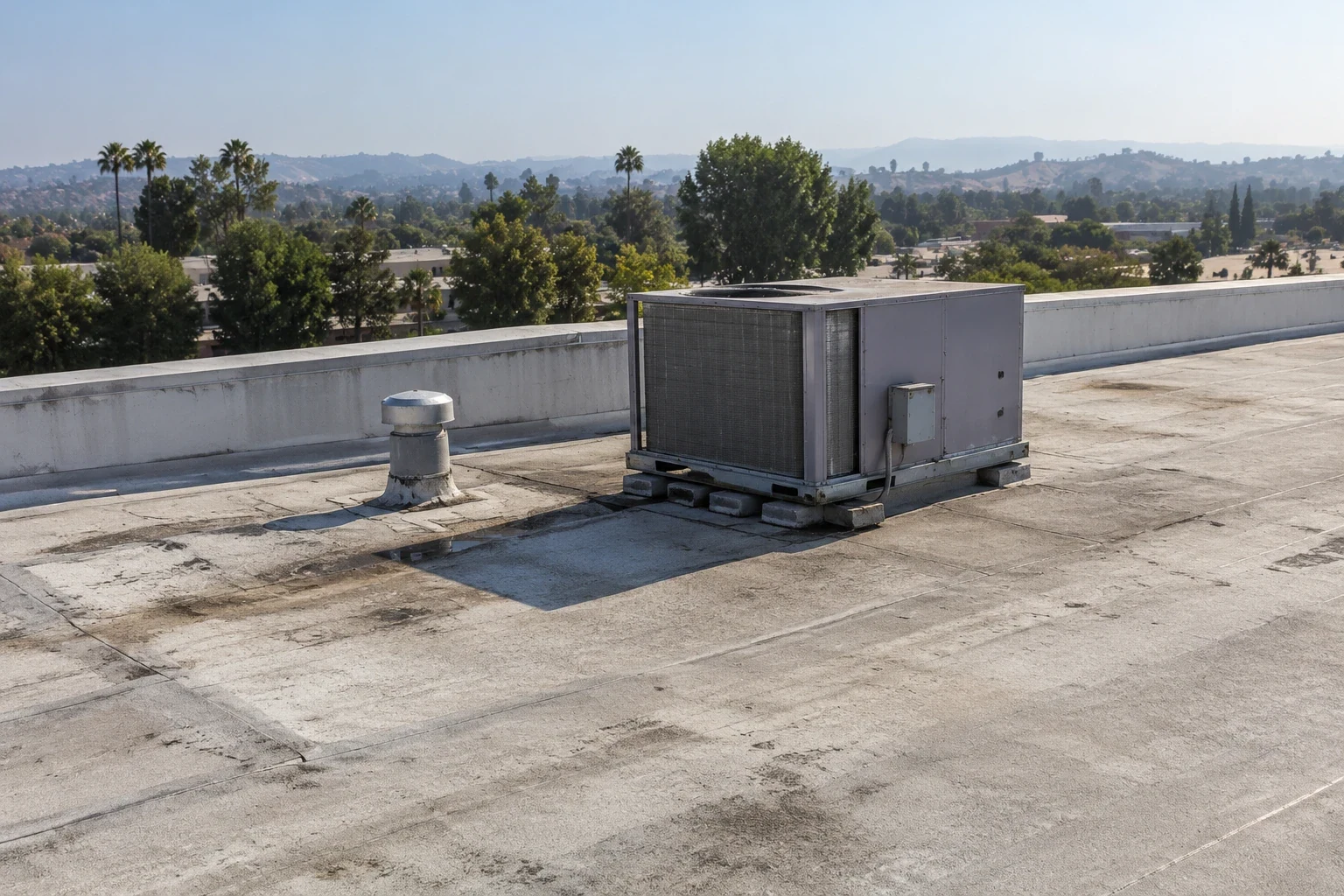

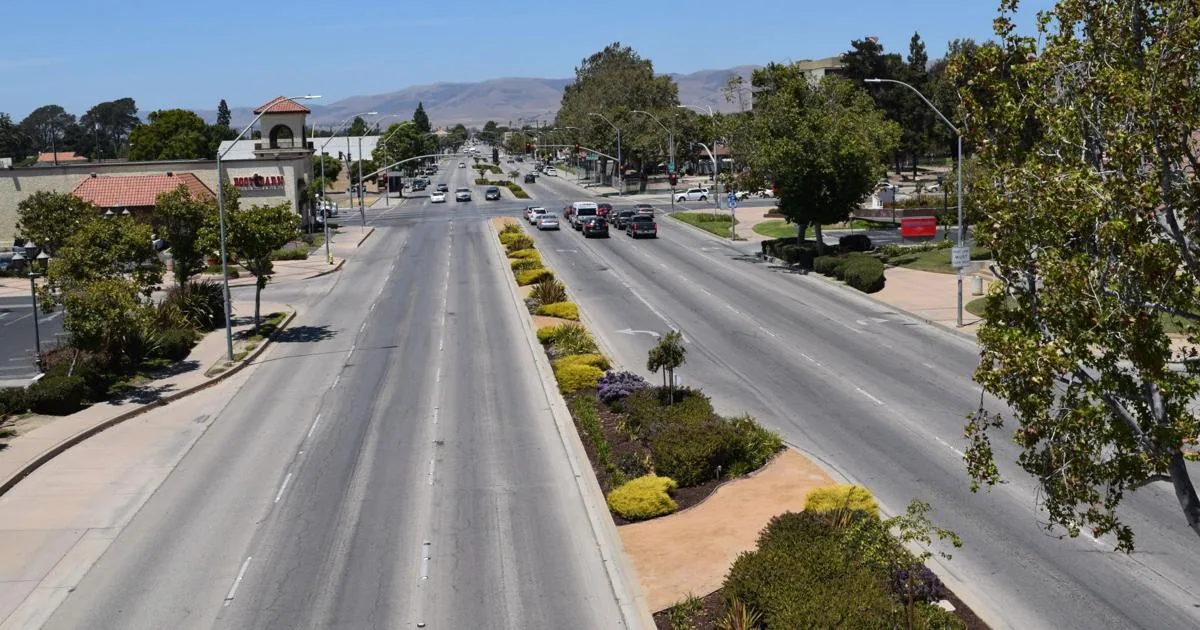
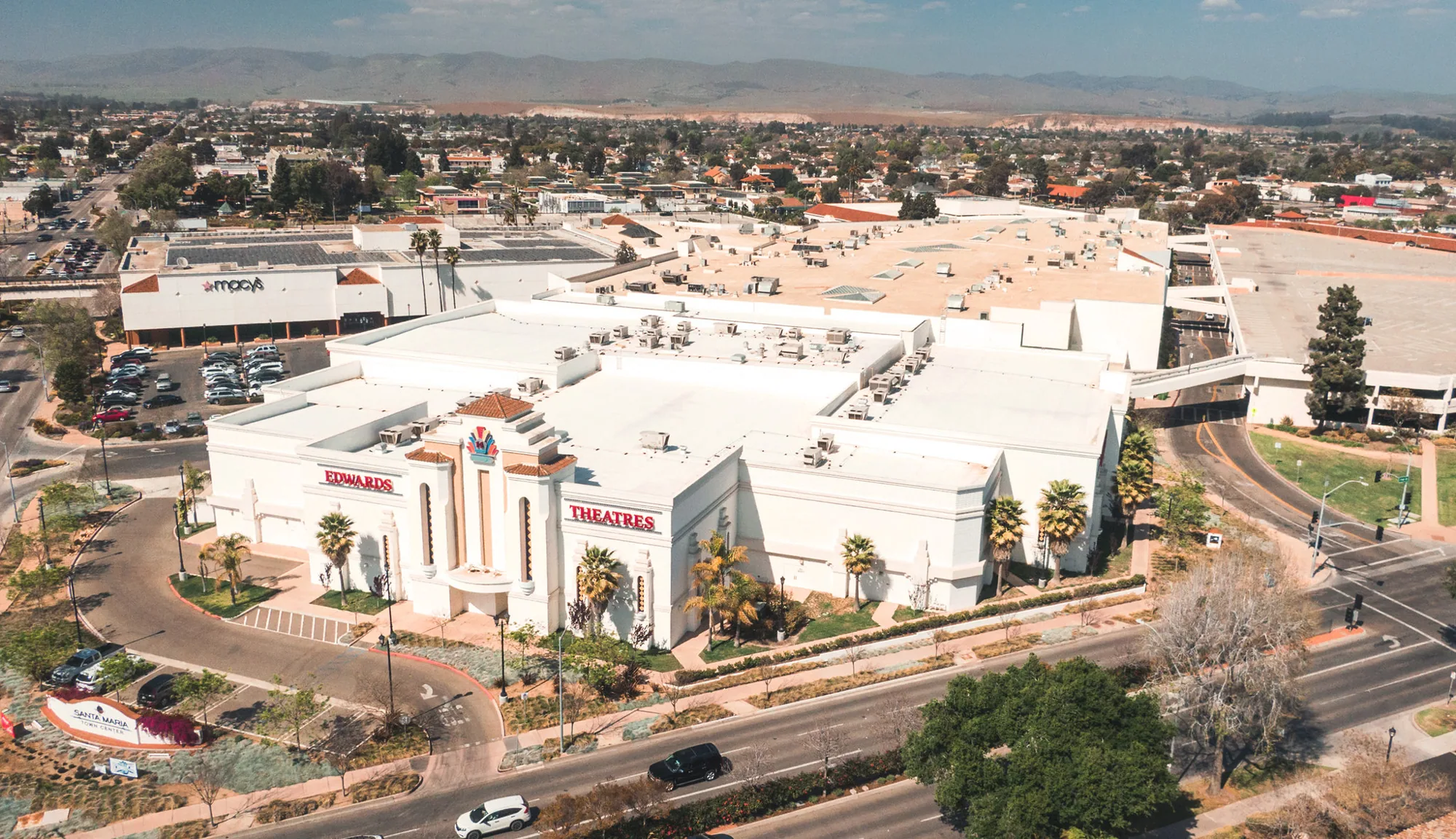
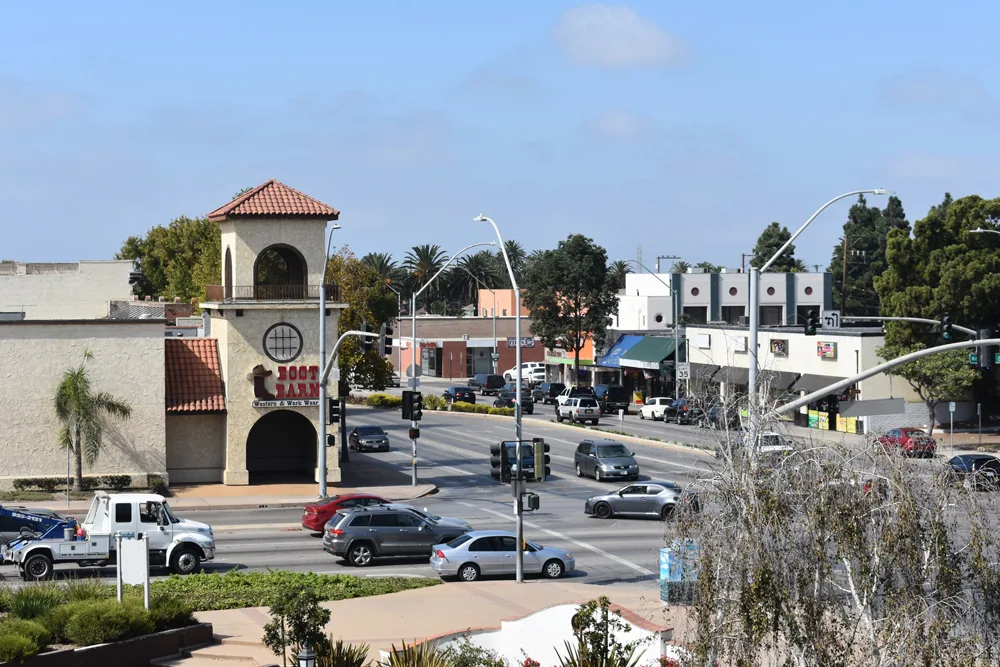
A warranty file does not help much when a leak appears and no one can match the roof area to the original scope. In Santa Maria, CA, we review the available closeout papers, system details, service notes, and current roof condition before organizing a follow-up. We record what the document actually says, which roof section it covers, and what remains unclear. A roof inspection can check the condition before a manager decides how to report a concern or request service.
Warranty terms belong to the manufacturer and the project documents. The manufacturer applies the warranty terms to the documented roof condition. Our role is to help the owner keep the roof record legible: identify the assembly, locate the affected detail, record maintenance or repair work, and organize the information the manufacturer may ask to review. That makes a service call more precise and reduces the chance that a different roof area or unrelated repair gets mixed into the request.
Coverage record: match papers to the roof area
We start by matching the warranty document to the building, roof section, system, and project scope named in the file. If the document describes only part of the roof, that limit stays visible. If records do not show the membrane or the installation date, we leave the field unconfirmed and inspect the roof rather than filling it with an assumption. A plan, closeout package, and current condition report each answer a different question; none should be substituted for the others.
A Santa Maria portfolio may contain varied property contexts. The West Stowell plan permits service and repair work, utilities, storage, warehousing, processing, and manufacturing; Downtown Santa Maria has a separate planning area and commercial context. Those descriptions do not identify the roof system or warranty on a particular building. We keep the service log tied to the property and zone, whether it is a West Stowell industrial property or a Downtown building, so records do not drift across addresses.
Service history: record each visit and repair
A useful history records the date, roof zone, reported symptom, observed condition, repair boundary, and material or detail involved. Photographs should help the next reviewer locate the seam, curb, drain, or termination. We note whether the work was an inspection, temporary protection, or completed repair. If a test opening or moisture survey was used, the record identifies its location and what it established. This lets the owner give a manufacturer a clear service history without implying that every leak is a covered defect.
NOAA's KSMX station record averages 62.4 heavy-fog days annually across its listed 42-year period. For work requiring bonding or coating, we record the surface readiness and date at the affected roof area. It can make the observed date and roof-surface condition relevant when a repair involves preparation or bonding. We record what the crew saw, the weather exposure reported for the specific event, and whether the detail was dry enough for the planned work. A maintenance visit can update the roof history before a concern becomes a larger service request.
Repair scope: protect the record and the detail
When a repair is needed, we define its limits before disturbing the roof. The scope can identify the seam or penetration, the adjoining membrane, and the tie-in point to be inspected after installation. If the work changes a detail addressed in project documents, we note the change and preserve the closeout photos. The owner can then compare the actual repair with the warranty terms and contact the manufacturer with a traceable account of the work performed.
Some conditions need a separate question answered first. Repeated wet insulation, movement at a curb, an open lap, or a drainage problem may require more than a patch. We state what is visible and what test would clarify the assembly before recommending a broader method. A defined repair scope can address a confirmed defect; a recover evaluation or replacement discussion belongs in a separate option when the roof findings support it. Keeping those choices distinct helps the warranty record stay accurate.
Notifications: act while the condition is clear
Project documents may set specific notice or service steps. The manager should read the actual warranty and contact the manufacturer or its designated service channel when a condition needs review. We gather the roof location, photos, inspection findings, and service history, then note the notice steps stated in the document.
For a reroof project, the municipal file should include its permit and the City’s written clearance following a pre-roof review. The code separately requires drainage analysis and corrective steps if extensive ponding continues longer than 48 hours after rain. These public approvals belong in closeout records; they do not add to a manufacturer’s warranty. We keep approvals, inspection results, and warranty documents in distinct sections. A condition report can show the observed roof state, while asset tracking can carry the service history forward for later visits.
Renew the file after rooftop work
Rooftop equipment service, tenant improvements, and later repairs can change the details that a warranty file describes. After authorized work, the manager should retain the scope, photographs, materials, and any inspection record that applies to the affected area. We can inspect the tie-in and document visible results, then note follow-up needs without rewriting the manufacturer's terms. The next service visit can begin from the updated zone record.
When several buildings are involved, assign a separate record to each roof and keep shared ownership information outside the technical condition notes. A warehouse, office, retail center, and production building may have different assemblies and access controls. A multi-site roof program can schedule repeat inspections while preserving that separation. For a broader assembly choice, EPDM system information can help the owner frame questions, but the existing roof still needs to be identified from the property evidence.
Commercial Roofing Questions
Does a roof inspection confirm that warranty work is covered?
No. An inspection documents visible roof conditions and may identify information needed for a manufacturer review. Coverage depends on the actual warranty terms and the manufacturer's decision. We record the affected zone, findings, and repair history without promising an outcome.
What documents should I gather before requesting service?
Start with the warranty, project closeout materials, roof plans if available, prior repair scopes, and dated photos or inspection notes. The building and roof area should be clear in each item. If a record does not identify the system or covered section, mark that gap before making a service request.
Can you repair a roof while a warranty is active?
The owner should review the actual warranty and follow its service process before authorizing work that could affect covered details. We can inspect the condition, document urgency, and help clarify the proposed repair boundary. Any repair method should be coordinated with the manufacturer when the documents require that step.
How should a leak be documented for a manufacturer?
Record the interior report, date, roof zone, nearby drains or penetrations, and what the inspection found. Photos should show both the close detail and where it sits on the roof. If testing is needed, identify the test location and result separately from conditions that remain unconfirmed.
Do maintenance notes affect a roof warranty?
They can help explain the roof's service history, but the warranty document controls any maintenance requirements. Keep dated inspection and repair records with the building and roof section they describe. Ask the manufacturer to interpret the terms rather than assuming a general maintenance interval changes coverage.
Plan the next roof visit
Tell us about the building and what you are seeing on the roof. Request a roof assessment and we will set up a time to look at it.