Commercial Roofing in McMurray Industrial District, Buellton, CA
Plan a McMurray roof inspection
Send the property identifier, roof plan, operating limits, and any leak or repair history. We will inspect the agreed sections, document drainage and penetration details, and outline access, testing, and staging that affect price and timing.
Request a roof assessment or call 555-555-5555.
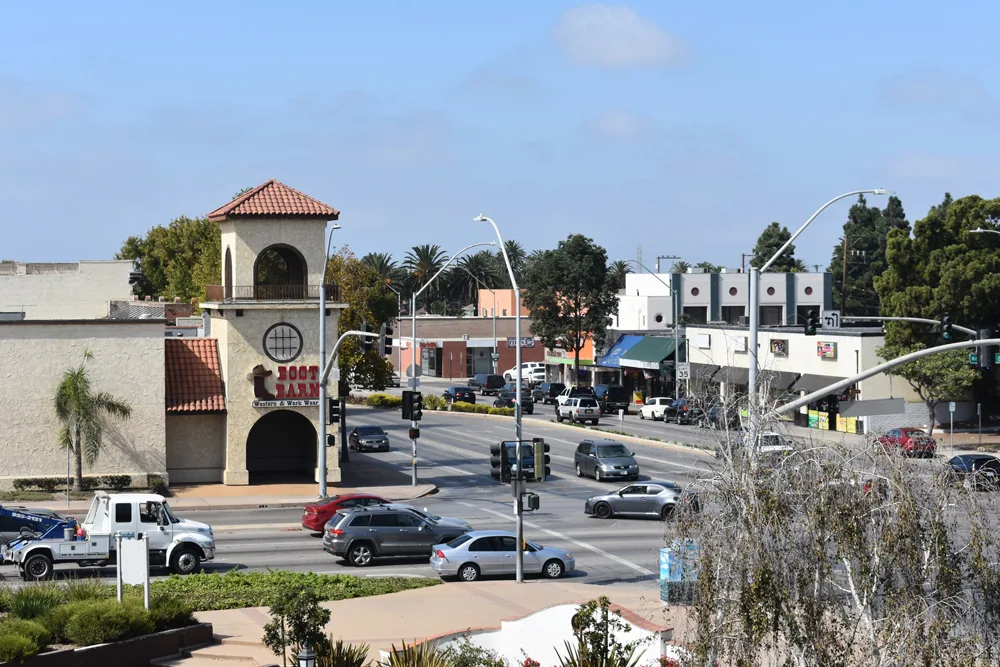
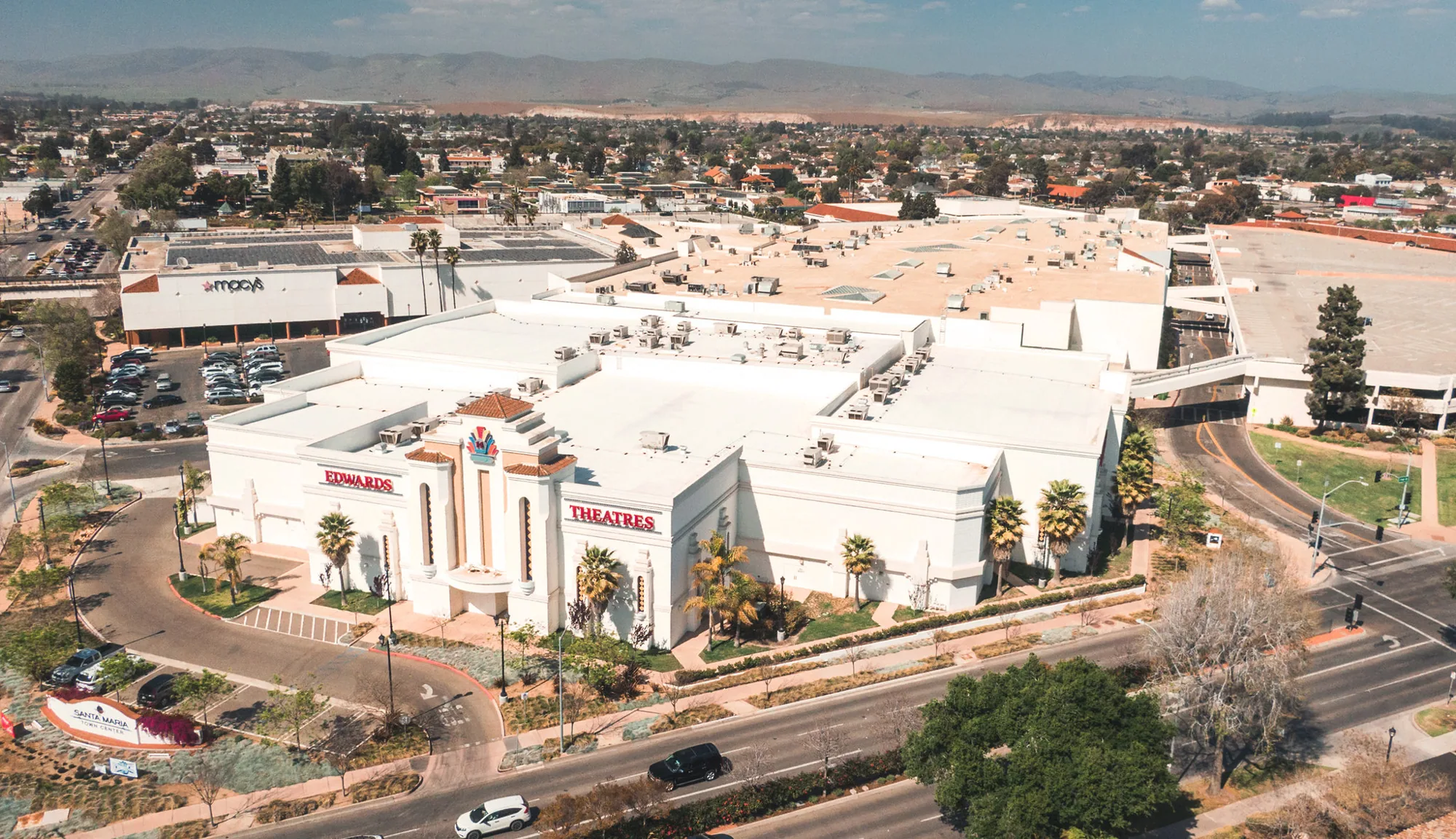
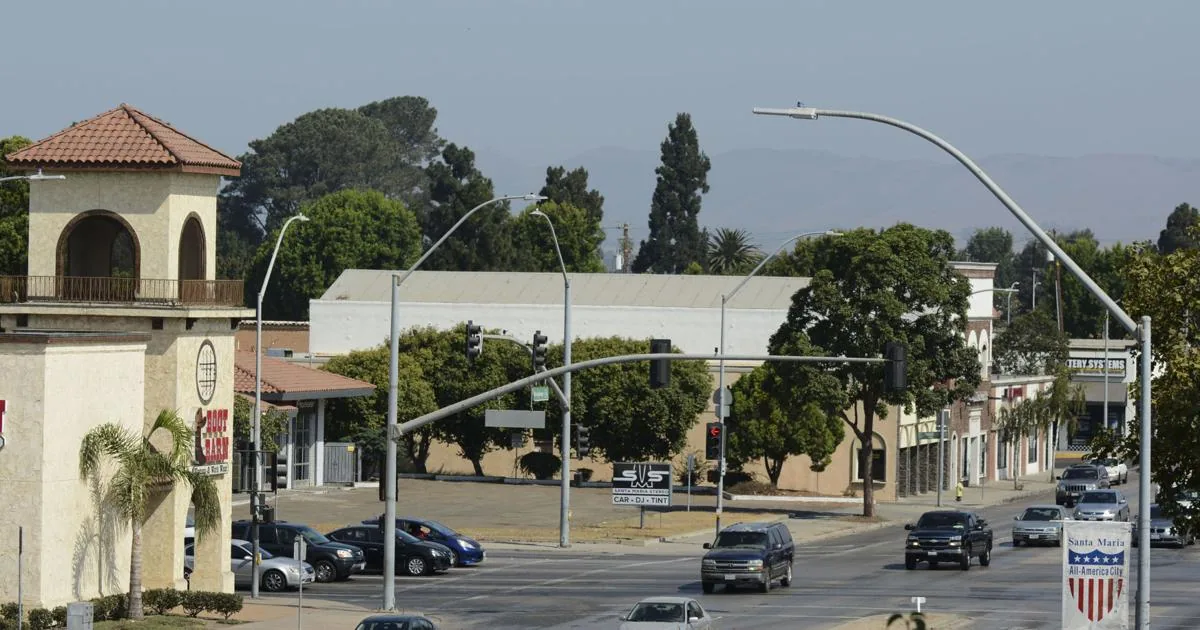
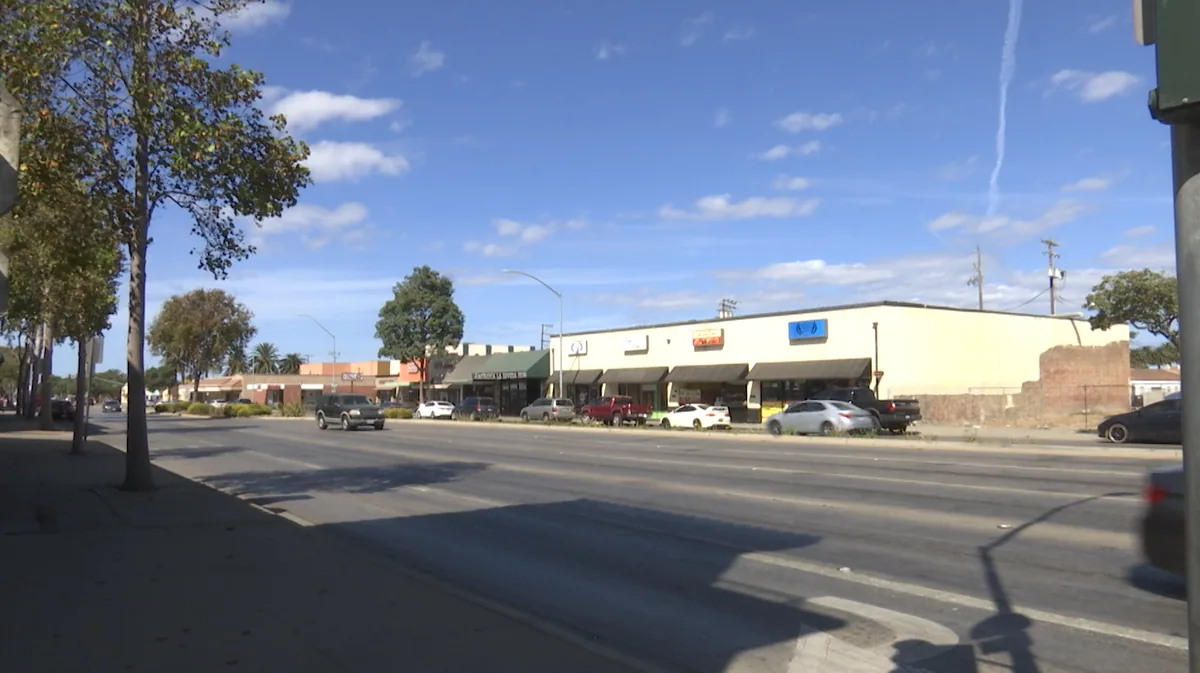
A service-line drain can constrain repair timing before a seam is opened. In Buellton's McMurray industrial area, we map the curb and membrane seam, then check how a crew can reach the zone while equipment runs. The walk records the assembly, access, and operating limits so the manager has a repair boundary and staging sequence. We also note whether the drain receives runoff from a higher section, whether the overflow is reachable, and which areas must remain clear during the shift.
Buellton's General Plan identifies industrial activity near McMurray Road, Easy Street, and Commerce Drive, including light manufacturing, warehousing, trucking, and compatible uses. It also identifies service-commercial uses near Thomas Road and McMurray Road. We inspect the roof assembly and use available drawings to plan work in the Buellton service area or the Avenue of Flags commercial district.
Outlet check: document the drain and its feeder area
At the drain, we check the bowl, ring, membrane transition, overflow, and the low area feeding the opening. A clear bowl can still have a loose clamping detail or a depressed surface that holds water. We photograph the condition and mark any outlet that cannot be tested during the visit. If water tracks along a seam before reaching the drain, the report follows that route and identifies whether the field sheet, flashing, or deck needs further inspection.
The precipitation normal used for this market is based on Santa Maria's KSMX station, where 1991-2020 annual precipitation averaged 13.32 inches. On the roof, we assess the drain path, slope, and outlet condition. If water remains after drainage is restored, we can compare surface observations with moisture readings to determine whether insulation or deck conditions affect the scope. A drain and scupper review keeps the outlet and surrounding membrane in the same repair discussion.
Industrial use: set access and equipment limits first
Warehousing, trucking, and light manufacturing can create distinct roof access and timing needs. We ask which work areas, exhaust equipment, and deliveries must remain available, then plan the route and staging with the property contact. A repair by active equipment may need a service window or temporary protection. The proposal states the work zone, shutdown contact, and how the area is secured at shift end. It also separates the current drain repair from any added correction that depends on inspection findings elsewhere on the roof.
We confirm the operation and check roof plans, repairs, penetrations, drains, and expansion joints before selecting a method. For a property with work continuing below, an occupied-building reroof sequence can set protection and dry-in before replacement.
Repair scope: price the confirmed area and the open question
A local repair works when the failed seam or penetration has a clear edge and the surrounding substrate is sound. We remove loose material, prepare the bond surface, and tie in compatible flashing or membrane. The scope names the drain or curb included and any nearby section that was inspected but not repaired. If an opening exposes wet insulation or a damaged deck, we pause at the inspection hold and show the finding before pricing additional work.
Repeated repairs at separate outlets or broad wet areas may call for a condition review before another patch is installed. We compare repair, recover, and replacement based on moisture, attachment, drainage, and the amount of material that can remain. A condition report records findings by roof zone, while a commercial replacement scope can be considered when the existing assembly is not a suitable base for local work. The estimate distinguishes confirmed repair from testing that still requires approval.
Cost also follows access, removal depth, and the protection needed below the repair. A curb reached only after equipment is isolated may need a different work window from an exposed drain. We price the documented steps and state which discovery would change them, giving the owner a useful comparison before authorizing a broader section.
System details: protect penetrations and field seams
We inspect where a pipe boot, curb, edge metal, or expansion joint meets the membrane and confirm that new material can bond to a sound surface. The crew prepares the area, reinforces corners as specified, and restores the termination so water sheds away from the opening. The proposal identifies materials and preparation rather than treating every assembly with the same sealant.
Before recommending compatible work, we identify whether the installed system is single-ply, built-up, or metal. A built-up roof evaluation helps frame options after confirmation. If the roof remains serviceable, a local penetration repair may preserve sound areas while broader work is scheduled.
Staging plan: keep drains clear through each shift
Material and roof traffic can block the drain path being restored. We set a staging area, keep outlets reachable, and establish the dry-in point before cutting an open section. An inspection hold lets the manager review unexpected deck or insulation findings while the area remains protected. The sequence explains how the roof closes at shift end.
Surface readiness can change after damp weather. Santa Maria's KSMX station records an average of 62.4 heavy-fog days per year across its 42-year period of record. We check the substrate before adhesive, flashing, or coating work and document any delay.
Closeout notes: preserve the location of each roof finding
Photos should identify the drain, repaired seam, curb, or penetration and show the tie-in well enough to find it later. We record material, date, boundary, exclusions, and open questions. A future manager can compare that location with a new leak report. A maintenance inspection can add observations after rooftop service.
McMurray Road, Easy Street, Commerce Drive, and Thomas Road appear in Buellton's land-use descriptions for industrial or service-commercial activity. We record the roof assembly, access rules, and operating limits for each building. Share a plan, repair notes, and equipment constraints before the walk. We will document drains, laps, and penetrations, then provide the boundary and next decision affecting schedule or cost.
Commercial Roofing Questions
How does a drain problem affect an industrial roof repair?
We inspect the outlet, clamping detail, membrane transition, and surface feeding the drain. If staging or roof work could block the outlet, the sequence keeps that path open or provides a temporary measure. The scope identifies whether the issue is obstruction, flashing, slope, or a condition that needs further testing.
Can roof work fit around trucking or warehouse activity?
The access route, loading schedule, operating equipment, and protection below set the work window. We coordinate with the site's contact and state any needed shutdown or temporary restriction before mobilizing. The plan also describes where material is staged and how the roof is closed at the end of the shift.
Does the McMurray industrial designation confirm the roof system?
The City's land-use designation identifies types of activity, not roof construction. We inspect the installed membrane or metal, its attachment, and the condition of transitions before choosing repair materials. A roof plan or past repair record can help confirm what is concealed.
When should an owner investigate beyond the visible leak?
A repeated leak, several failed penetrations, wet insulation, or a soft substrate may justify testing beyond the ceiling location. We map the visible evidence and identify a reading or opening that could change the repair boundary. The owner receives the confirmed scope separately from any added investigation.
What should be recorded after drain or seam repair?
Keep dated photographs, the roof-zone identifier, material, repair edge, and any excluded area or follow-up item. We note whether the drain and adjoining seams were inspected and whether they were included. This record helps the next visit return to the same location without assuming the full roof was addressed.
Plan the next roof visit
Tell us about the building and what you are seeing on the roof. Request a roof assessment and we will set up a time to look at it.