Commercial Roofing in the Industrial Parkway Manufacturing Area, Santa Maria, CA
Coordinate an inspection around the facility schedule
Share the building identifier, access and production limits, leak report, and available roof records. We will agree on the roof sections, document visible conditions and tie-ins, and identify the next step before pricing or scheduling broader work.
Request a roof assessment or call 555-555-5555.
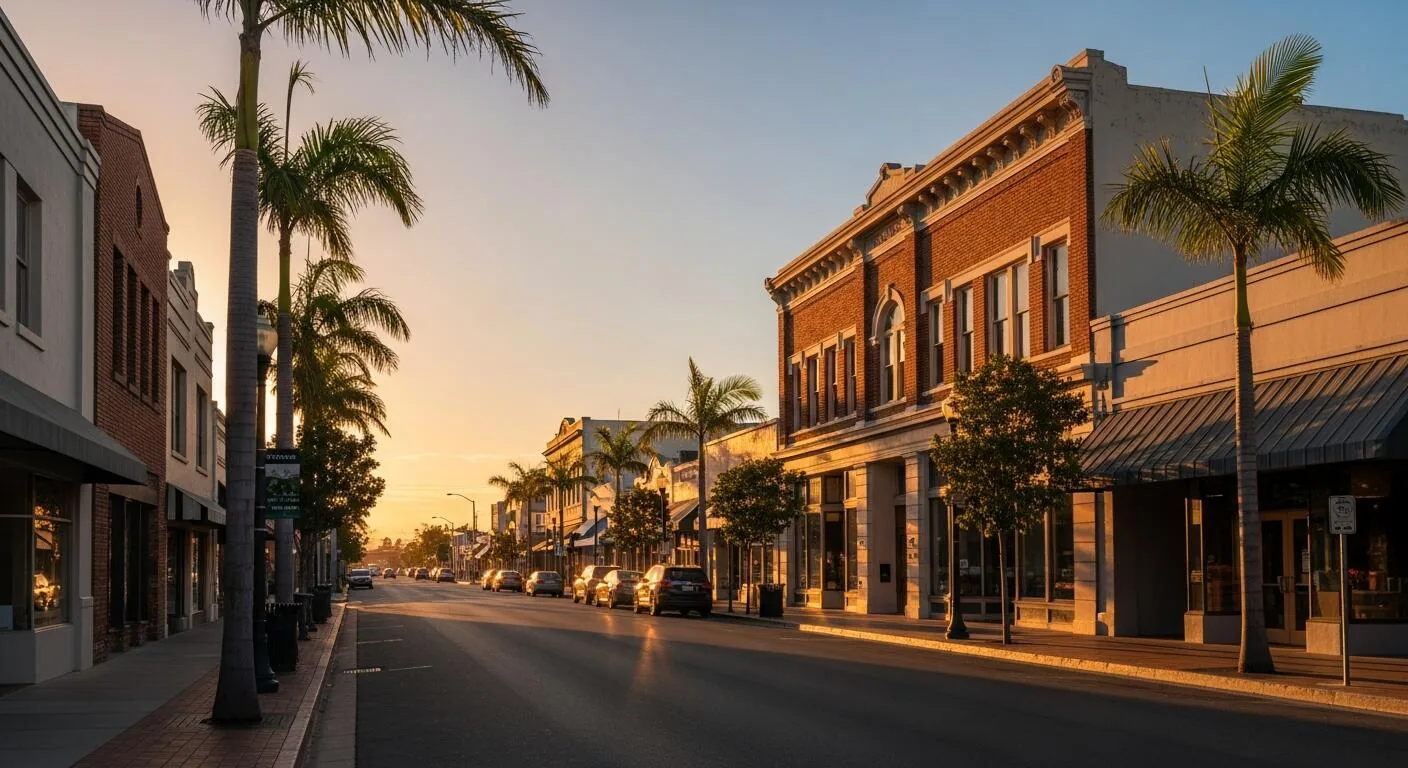
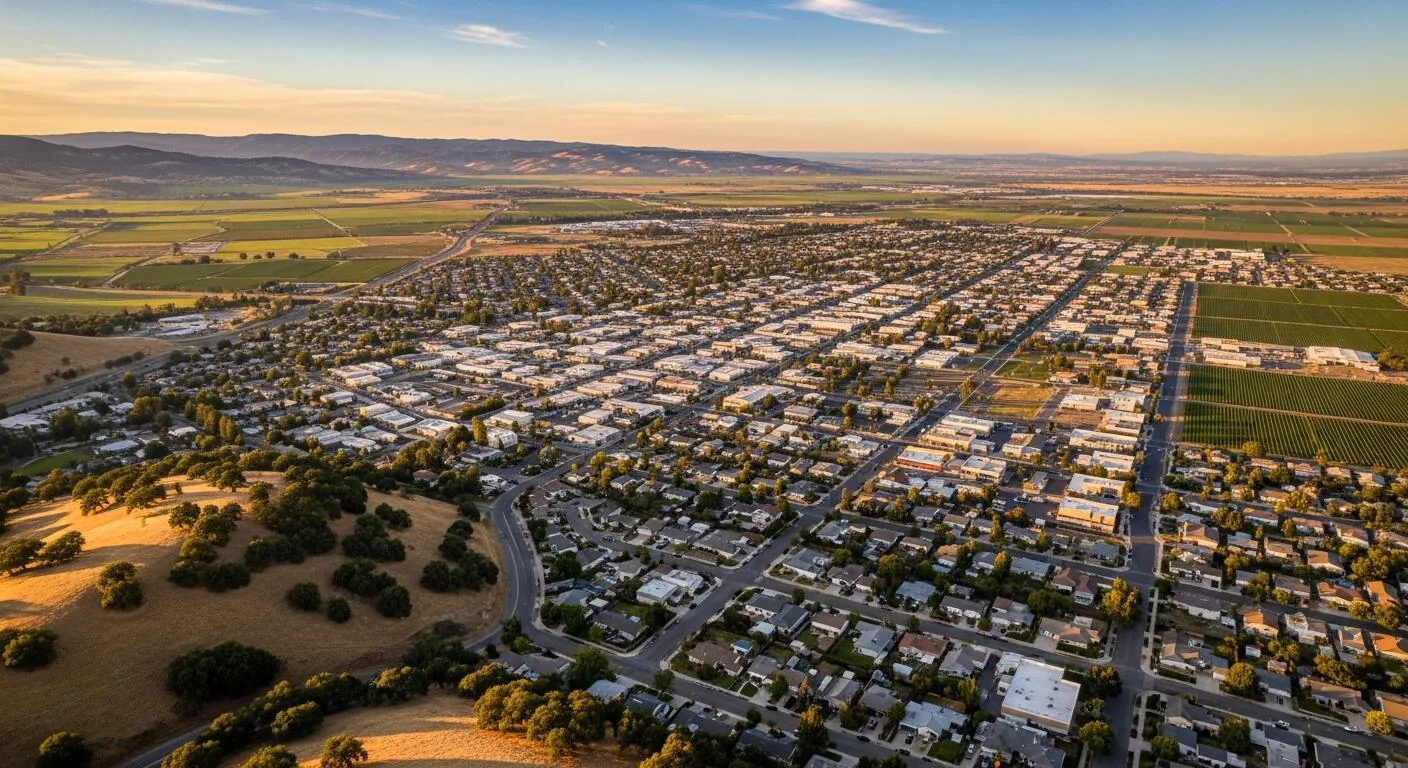
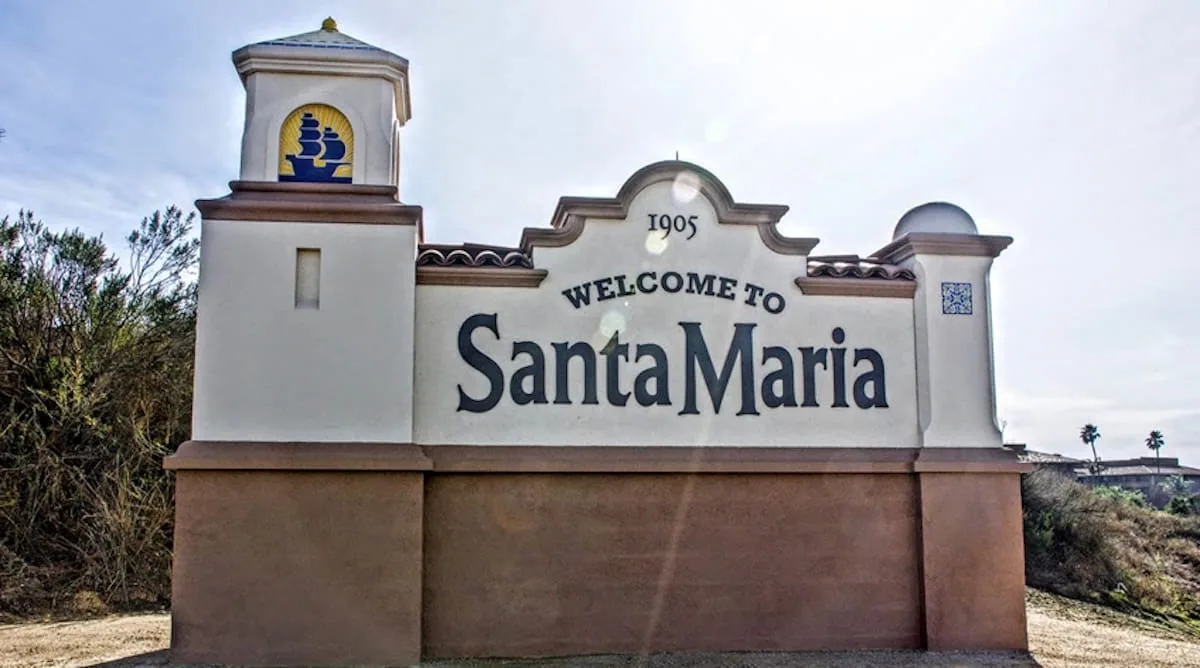
An equipment-curb seam can be misread without its surrounding roof in view. In Santa Maria's Industrial Parkway manufacturing area, we mark the roof section first, then check the curb, nearby laps, drainage path, and edge before defining repair work. City records describe industrial development across multiple lots and buildings here and identify Planned Development/Light Manufacturing zoning. That supports a broad area description; it does not establish the use, assembly, or condition of a particular property.
We ask the manager which roof areas are in scope, how production or deliveries affect access, and who can approve testing. The inspection records the visible field sheet, penetrations, drains, and repair boundaries, with photos linked to a roof zone. If a condition continues beneath insulation or a cover board, we state what is not visible and what additional review would answer the question. That keeps a suspected moisture path from becoming an unsupported finding.
The Industrial Parkway area is one of Santa Maria's distinct planning areas. A roof inspection at Betteravia Industrial Park and one in the North Broadway corridor each gets its own property, roof-zone, and repair history. We identify the property, roof section, access contact, and approved work window for each visit before putting a crew on the schedule.
Inspection: map the assembly and operating limits
Before a roof walk, we confirm the access point, escort, safety arrangements, and any equipment that cannot be shut down. We agree on where ladders or lifts may be staged and how the crew will move materials without crossing an active work zone. A manufacturing schedule can change what is practical in one shift, so the manager identifies delivery windows, restricted areas, and the contact who can answer a field question.
On the roof, we inspect the transition governing the reported issue. A curb needs sound flashing and a visible tie-in; a seam repair needs preparation that matches the membrane and its attachment. At a drain, we trace the incoming flow and look for debris, low points, or movement around the bowl. A surface photo cannot confirm deck or insulation condition. We decide whether moisture readings or a controlled opening are needed.
A 1991-2020 KSMX normal puts Santa Maria's annual precipitation at 13.32 inches. We use that station measure as regional runoff context, then inspect the Industrial Parkway roof itself. The field walk can show which drain serves a section, where elevations change, and whether water follows the intended path. Those roof observations guide the next decision for the particular building.
A commercial roof inspection can organize those observations, photos, and follow-up questions. For an active leak, the first work order may instead focus on temporary protection and the likely entry path. We do not expand a limited response into a full replacement recommendation unless the inspection evidence supports that separate decision.
Repair options: keep the boundary tied to evidence
A useful scope says where work begins and ends. We identify the affected lap, penetration, drain, or metal termination; list preparation and tie-in steps; and describe the check that will confirm the work was completed. When the surrounding material is sound and the defect is local, a defined repair may be appropriate. If seams repeat across an area or moisture appears below the surface, testing may be needed before selecting a repair method.
A fresh roof covering goes forward only after the City permit is secured and its pre-roof review has cleared the work in writing. The review may take in the supporting structure, deck, drainage, prior-covering attachment, wet insulation, and fire-retardant details. A separate drainage rule applies when extensive water persists on the roof for over 48 hours after rainfall; an analysis and corrective work are then required. We stage the Industrial Parkway plan around those approval points instead of closing the assembly before they are resolved.
A repair, recover, and replacement have different substrate assumptions, preparation steps, and dry-in needs. We can compare a repair scope, a recover evaluation, or replacement planning after documenting the current roof. A condition report helps a facilities manager retain the findings by section, while keeping unverified deck or insulation questions visible.
Timing: plan around access and surface preparation
Schedule depends on access, material staging, production hours, and the surface-preparation time required by the specified system. We confirm the work window and dry-in plan with the manager before mobilizing. If the roof has a sensitive process below it, we identify how the area will be protected and who can pause work if an unexpected opening or wet layer appears. A clear hold point prevents the crew from covering a condition that needs owner direction.
The 42-year KSMX history averages 62.4 heavy-fog days annually. We check the active roof section before bonding, sealing, or coating and record any preparation hold. Before a bond, seal, or coating operation, we inspect the substrate where the work will occur and record any condition that calls for a delay.
City records describe multiple lots and buildings in the Industrial Parkway area. Each property may have its own access route, operating sequence, roof assembly, and approval contact. We put those identifiers on the schedule so one site's work window is not mistaken for authorization at another location. The manager can then coordinate inspections without combining separate roof records.
Maintenance: preserve the next decision
At closeout, we record the roof section, repair boundary, material, visible tie-in, dated photographs, and anything that remains open. If an area could not be inspected, the file says so. For a recurring visit, the next reviewer can compare today's seam or drain with the same zone in an earlier report. That is more useful than a portfolio status that says only that work was completed.
Owners can keep inspection findings, repair records, approvals, and warranty documents in a property-specific file. A maintenance visit can update observations, while a separate business-area record may describe a different access context elsewhere in Santa Maria. Shared reporting fields help compare projects; they do not replace the roof-specific facts that determine the repair.
Send the building list, current concerns, available roof plans, and access restrictions before arranging a walk. We will confirm the included sections and inspect the details that set the repair boundary. The field record will identify open questions, any access limits, and what additional information is needed before broader work is priced. That gives the manager a clear next action.
Commercial Roofing Questions
What should a facility manager provide before an Industrial Parkway roof inspection?
Identify the building, share an available roof plan, describe the leak, and include service records and access rules. Production-sensitive hours and delivery restrictions help set the inspection route. We label each zone reached and list any location needing another access window. The manager can then see what the first visit covered before approving follow-up.
Does a visible seam opening show how much insulation is wet?
No. The surface condition does not establish what lies below it. We can document the seam and adjacent roof zone, then identify whether moisture readings or a controlled opening are needed. The report distinguishes an observation from an unverified subsurface condition and gives the manager a specific next step before the repair boundary is expanded.
When is drainage analysis part of the reroof process?
Extensive water that remains on the roof beyond 48 hours after rain calls for Santa Maria drainage analysis and corrective measures. For an Industrial Parkway property, we map the affected area and observation timing before planning a new covering. The owner can then place that required review in the project sequence before the roof is closed.
Can roof work be staged without stopping production?
Production can continue when access, equipment limits, delivery timing, and protection below the roof support that sequence. We coordinate the work window and identify any interruption before mobilizing. If a field condition requires a pause or added test, the manager receives the reason and the decision needed before crews resume.
What belongs in the repair closeout file?
Keep the roof section, repair boundary, material, dated photos, visible tie-in, approvals, and open items together. Identify any area outside the work scope. That record lets the next inspection compare the same location without assuming nearby seams or drains were included, and gives the manager a clear basis for assigning follow-up.
Plan the next roof visit
Tell us about the building and what you are seeing on the roof. Request a roof assessment and we will set up a time to look at it.