Grocery Store Roofing in Santa Maria, CA
Set the grocery roof inspection
Share refrigeration contacts, receiving hours, and roof access limits. We will trace drains, seams, and curb flashings, then document the repair boundary and dry-in sequence before pricing.
Request a roof assessment or call 555-555-5555.
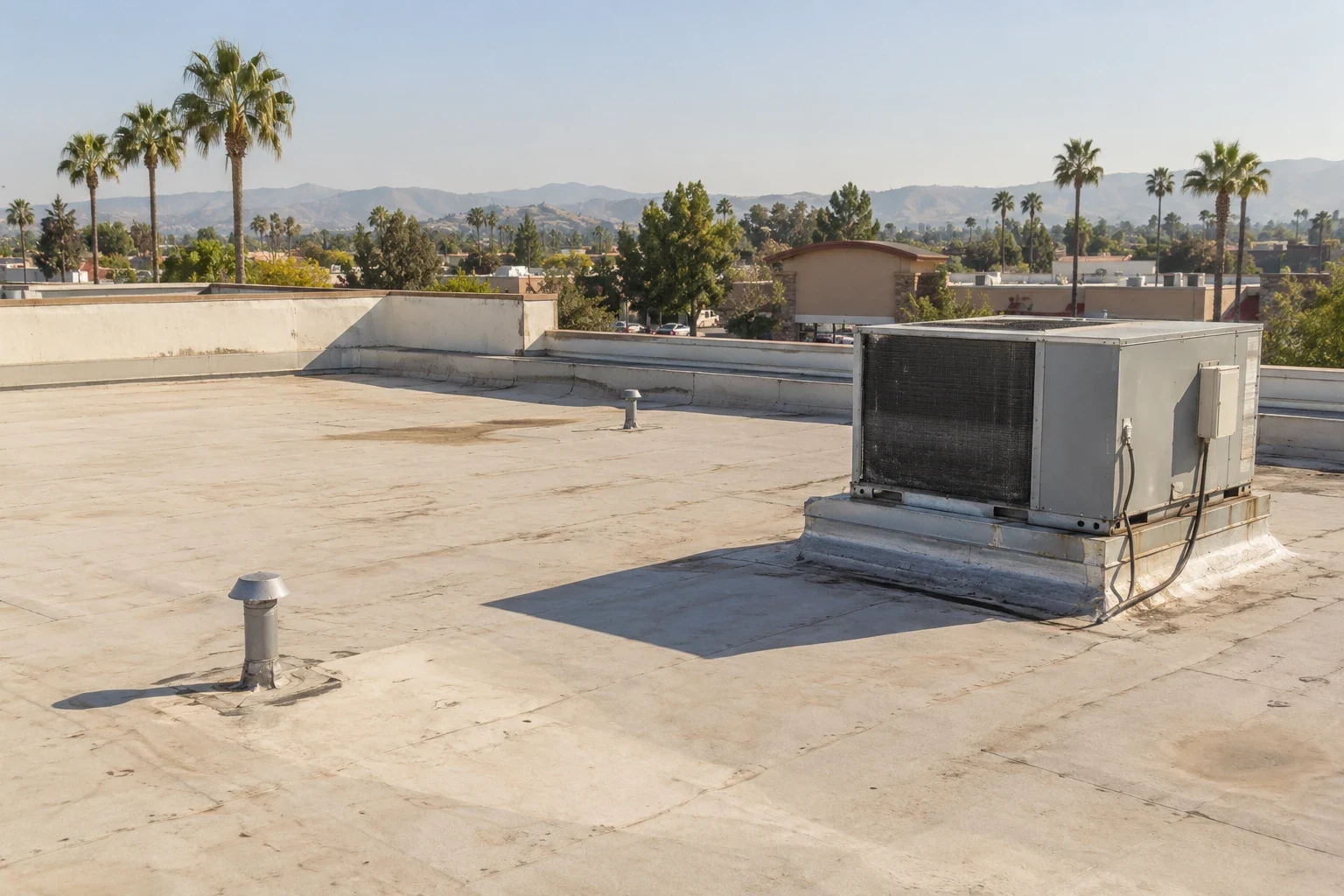
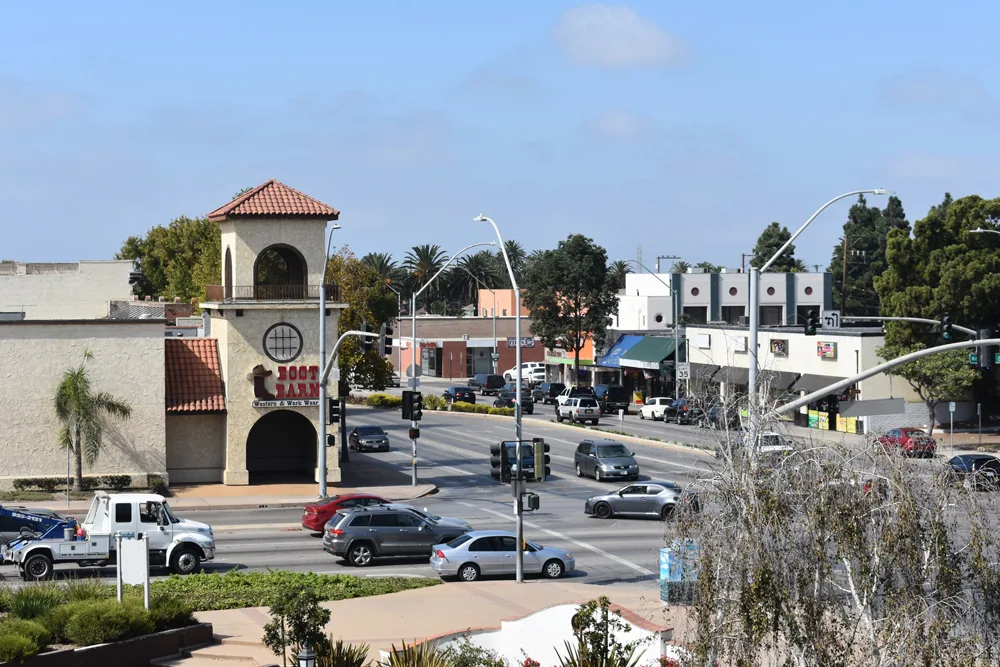
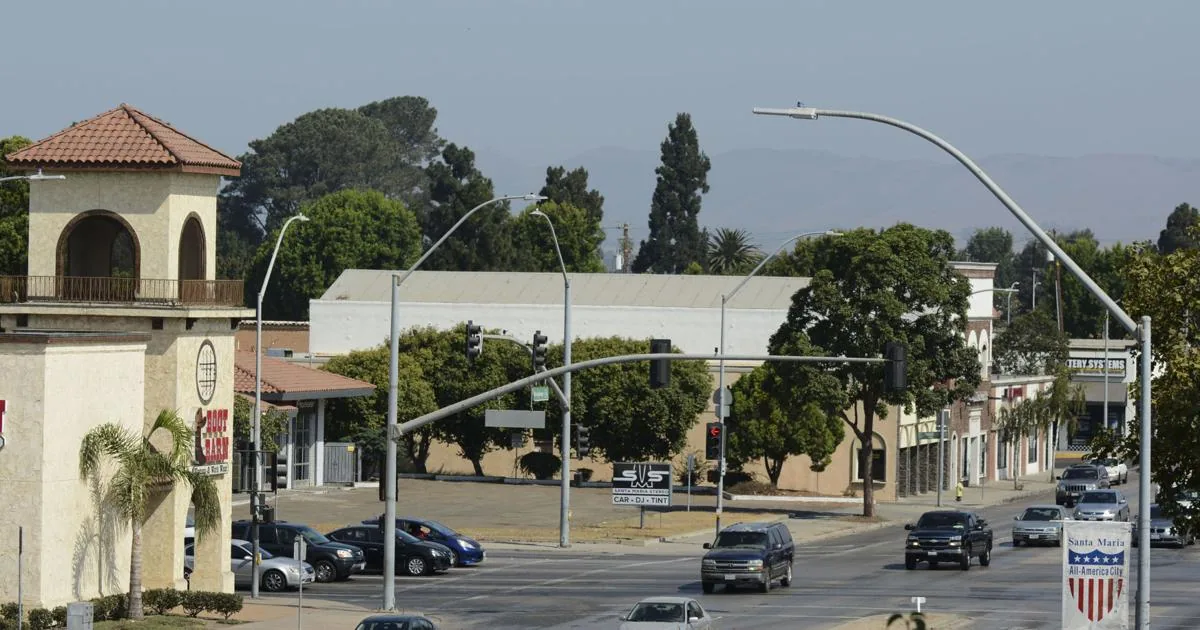
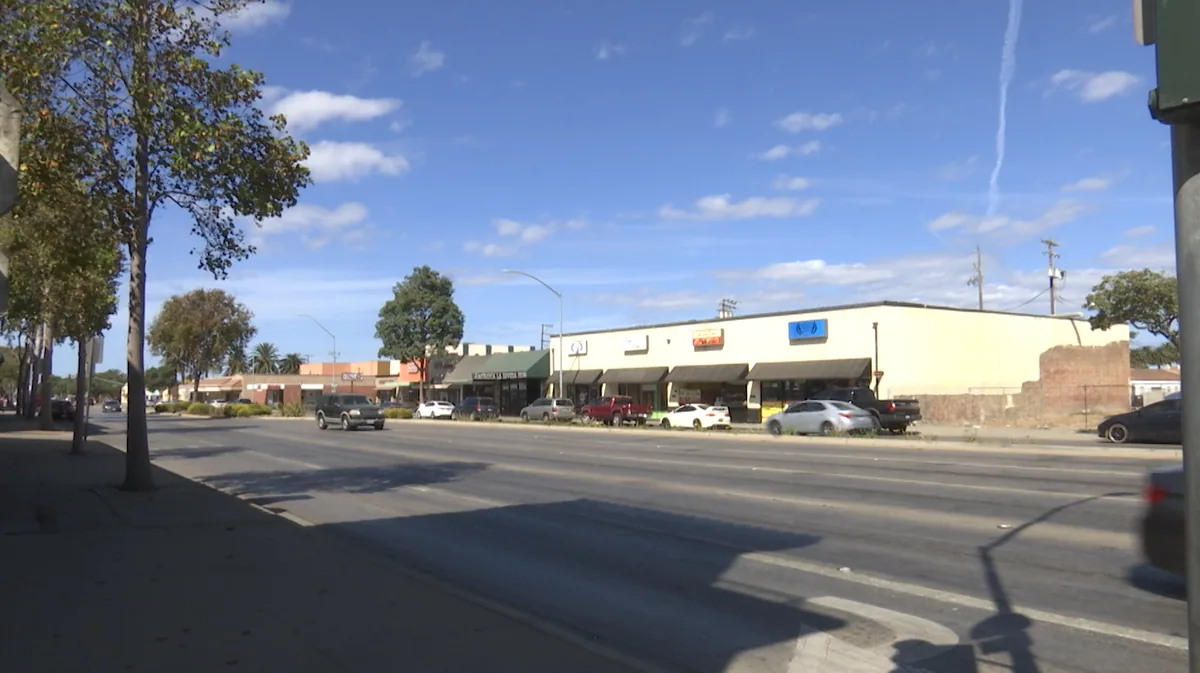
A refrigeration curb can make a small membrane opening a schedule issue before it becomes a ceiling stain. In Santa Maria, CA, we inspect the flashing, condensate route, nearby seams, and drain path above a grocery store before setting a repair boundary. Coolers, exhaust, receiving, and customer access may stay active during roof work. We map which equipment and entrances need protection, then match the work sequence to the actual roof assembly and operating window.
Water above a sales floor can move beneath the membrane and appear away from its entry. A wet area above a cooler also needs careful coordination before equipment is isolated or service access is blocked. We record the reported location, trace the roof features around it, and note whether readings or a test opening are required. The manager gets a clear distinction between a confirmed repair and an area that still needs investigation.
Cold equipment: inspect each curb and route
We check refrigeration curbs, exhaust penetrations, conduit supports, wall turns, seams, and the drain bowls that serve the field. Sealant over a moving or poorly flashed curb may only hide the open transition. Condensate lines can also cross a roof zone without being the source of a leak. A photo record identifies the detail, its surrounding membrane, and whether an equipment contact needs to coordinate access.
At Santa Maria Public Airport, KSMX posts a 13.32-inch yearly precipitation normal for 1991-2020. That background cannot locate a store leak. We inspect the actual outlet and overflow route; if broad ponding remains after 48 hours, City code calls for drainage analysis and corrective measures before replacement covering proceeds.
Interior reports are plotted against roof zones before we choose a patch. A ceiling mark over a produce aisle may be downstream from a curb or seam, while repeated wet insulation can extend beyond the visible area. The moisture testing can help identify candidate areas for confirmation, but a test cut is what reveals the concealed layers. We document both the result and any limit on what could be inspected.
Repair limit: protect refrigeration and stock
A patch can work when sound, dry membrane remains around the opening and the repair can tie into compatible flashing. We prepare the surface, restore the seam or curb detail, and mark the limits. If wet insulation or loose attachment continues beyond that boundary, the scope needs to expand only after the manager reviews the finding. The leak repair can stabilize an active condition while testing or a larger estimate is prepared.
Repeated leaks near refrigeration equipment call for a close look at curb height, flashing, vibration, service access, and the membrane transition. We do not assume a unit is the source just because a report is nearby. The roof walk compares the equipment detail with water paths and interior observations. If work requires an outage, we coordinate the sequence with the store's equipment contact so a repair does not block service without a defined return plan.
Grocery replacement follows a municipal gate: first secure the building permit, then hold the new layer until the pre-roof inspection has written approval. The reviewer evaluates the building and deck, outlet arrangement, the current assembly's attachment, wet insulation, and fire-retardant criteria. We place that visit before refrigeration coordination, stock protection, and delivery routing. A replacement scope marks affected curb zones.
Membrane: keep transitions compatible
A grocery roof may include TPO, PVC, EPDM, modified bitumen, or more than one material across additions. We identify what is installed at each repair before specifying preparation. A EPDM seam uses a different tie-in from a PVC field, and neither should be patched with an assumed-compatible coating. We inspect the substrate, existing bond, flashing height, and drainage path at the same time.
Refrigeration curbs and exhaust housings create edges that can pull or flex as equipment is serviced. A repair should reconnect membrane to metal without trapping water at the uphill side. We check counterflashing, fasteners, corners, and adjacent laps, then specify which metal or membrane detail is included. If an equipment change is planned, it belongs in the sequence before the roof transition is closed.
Santa Maria planning describes Downtown retail and food uses, while Enos Ranchos includes regional and warehouse retail among a broader mix. The Betteravia corridor is also described as serving commercial shopping destinations. Those places show varied retail settings, not a specific store's equipment or roof. We ask the manager about delivery windows, refrigeration service, exhaust, and loading access at the property itself before setting staging or repair hours.
Work window: hold the dry-in line
Material staging and waste routes must stay clear of receiving and customer paths. We identify where a lift can stand, when deliveries arrive, which doors need access, and whether exhaust or refrigeration service can be interrupted. Work advances in roof areas that can be prepared and closed safely within each shift. The plan keeps drains clear and sets a temporary edge before crews leave, with inspection holds included where the City requires review.
For Enos Ranchos, the city plan describes retail alongside office, school, park, auto-related commercial, and residential uses. The Betteravia corridor has a different commercial pattern. Neither land-use description predicts a roof assembly. The Betteravia roof walk starts with actual loading access and equipment limits, while a roof review near Enos Ranchos confirms the building's operations before material is staged.
Price and duration depend on measured roof area, layers, wet insulation, deck repairs, curb count, drain correction, material access, and the amount of work that can be phased around store hours. We separate confirmed scope from concealed allowances and explain what finding changes the boundary. A phased work plan can coordinate the roof zones with operations, but the daily sequence follows the store's actual restrictions.
Closeout: reconnect the roof and equipment file
At closeout, we record seams, refrigeration curbs, exhaust flashings, drains, and temporary protection removed. Photos locate each detail and roof zone; the scope notes equipment coordination and excluded areas. A future manager can use a shopping center roof record or a restaurant roof inspection to compare site-specific access and repair history.
For capital planning, the record distinguishes a completed patch from a repeated condition that may need a wider assembly review. We note what was tested, what remains concealed, and which transition should be revisited. Arrange a roof walk with the facility contact, share refrigeration access and delivery hours, and we will document the water path, repair boundary, and dry-in sequence before pricing.
Commercial Roofing Questions
Can a roof repair be done while refrigeration stays on?
The answer depends on the curb detail, service route, and whether the work needs the unit isolated. We identify the equipment contact and access window before setting the repair zone. A phased scope can protect the opening and keep required service access available, with any outage coordinated in advance.
Does water above a cooler mean the curb is leaking?
Not by itself. We check flashing, seams, condensate routing, slope, and nearby drains, then compare those details with the interior report. Water can travel under a membrane. Readings or a test opening may be needed to confirm wet insulation and set the repair limit.
When should repeated curb repairs lead to replacement?
Repeated separation, wet insulation, weak attachment, or failures across several roof zones may support a larger review. We document the confirmed assembly and compare a local repair with recover or replacement options. The proposal identifies which finding would expand the scope and how that work is approved.
What controls the daily schedule at a grocery store?
Receiving, customer entrances, refrigeration service, exhaust access, lift placement, and dry-in capacity all shape the work window. We confirm those details with the manager and set a roof boundary for each shift. Drains, temporary edges, and protected areas are checked before the crew leaves.
What does a roof inspection record for the facility team?
We map seams, drains, curbs, penetrations, reported interior locations, and the area included in the repair. Photos and readings show what was observed; test results show what was opened and confirmed. Concealed layers remain identified as unknown when they were not accessed.
Plan the next roof visit
Tell us about the building and what you are seeing on the roof. Request a roof assessment and we will set up a time to look at it.