
Restaurant Roofing in Santa Maria, CA
Arrange a restaurant roof walk
Share equipment contacts, exhaust restrictions, delivery hours, and customer access limits. We will inspect curbs, seams, and drains, then document the repair boundary and dry-in sequence before pricing.
Request a roof assessment or call 555-555-5555.
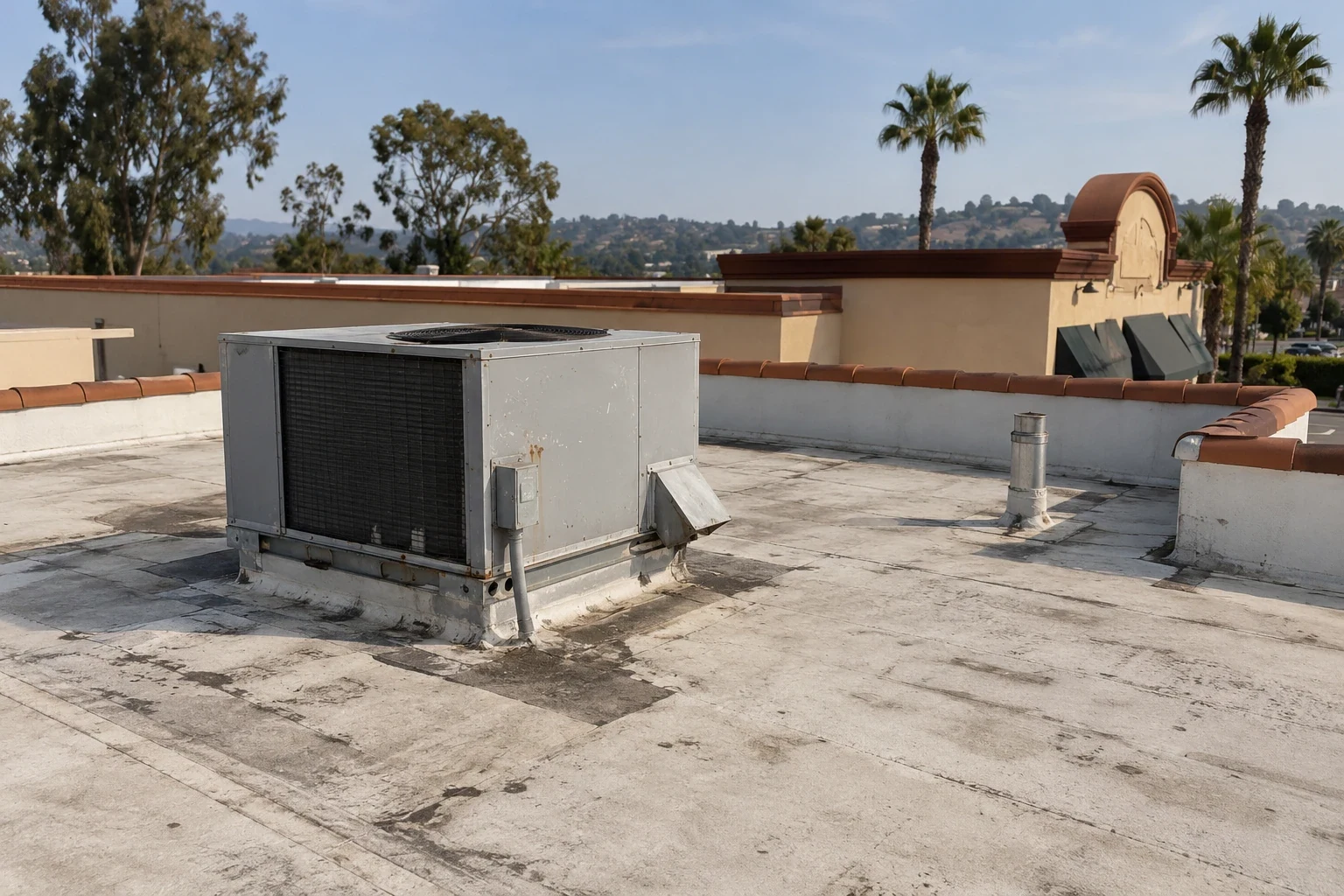
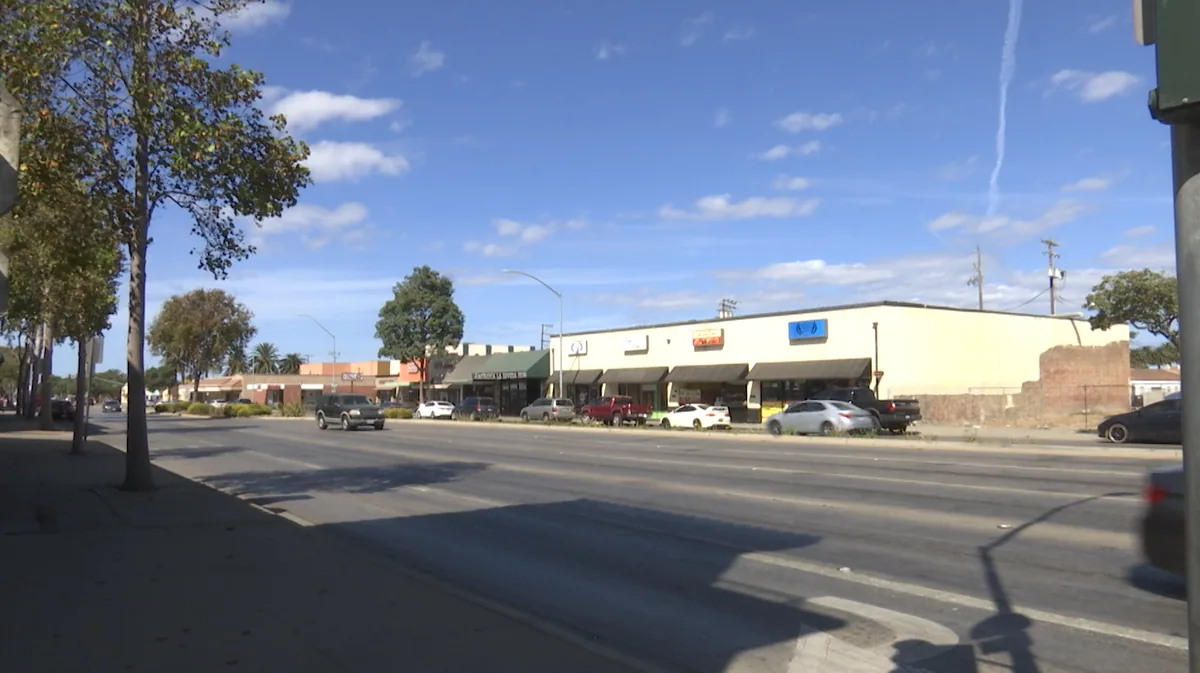
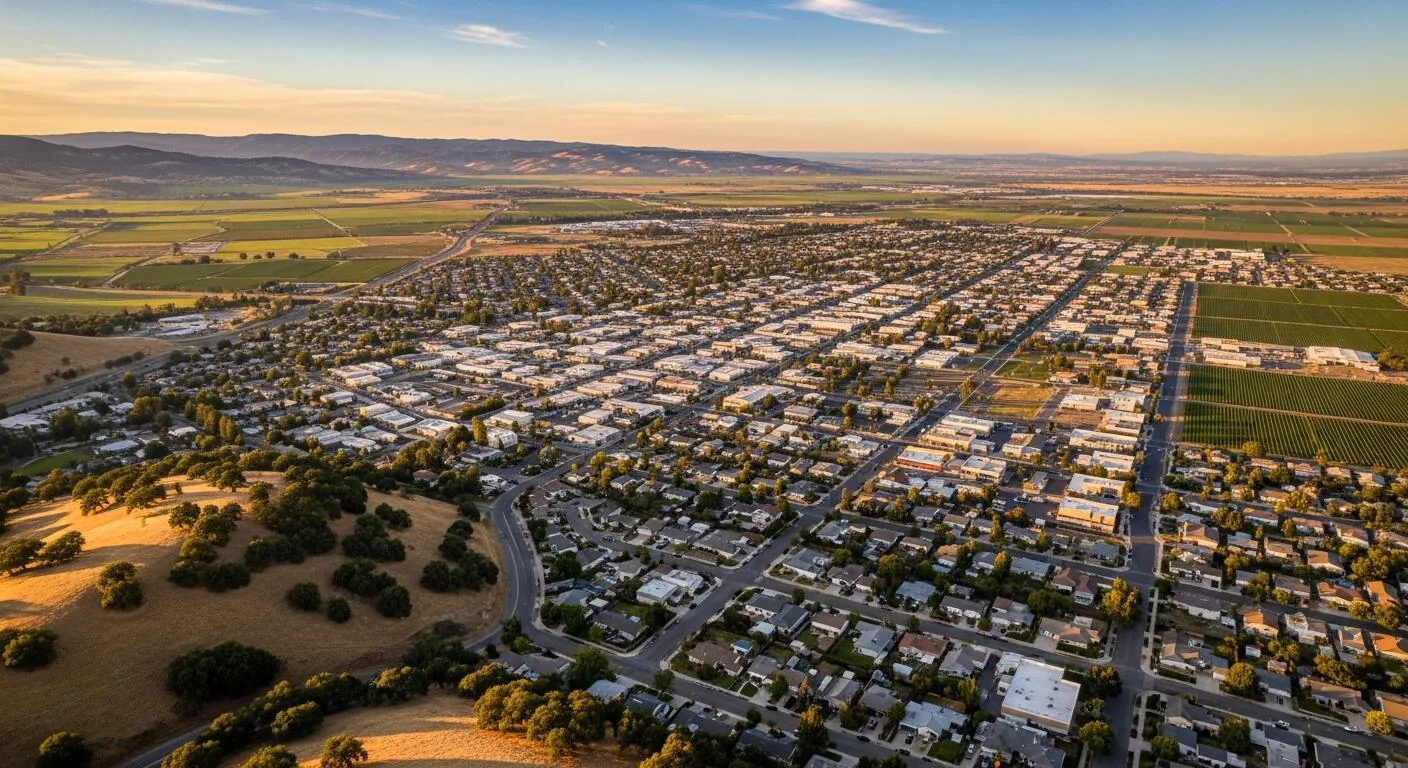
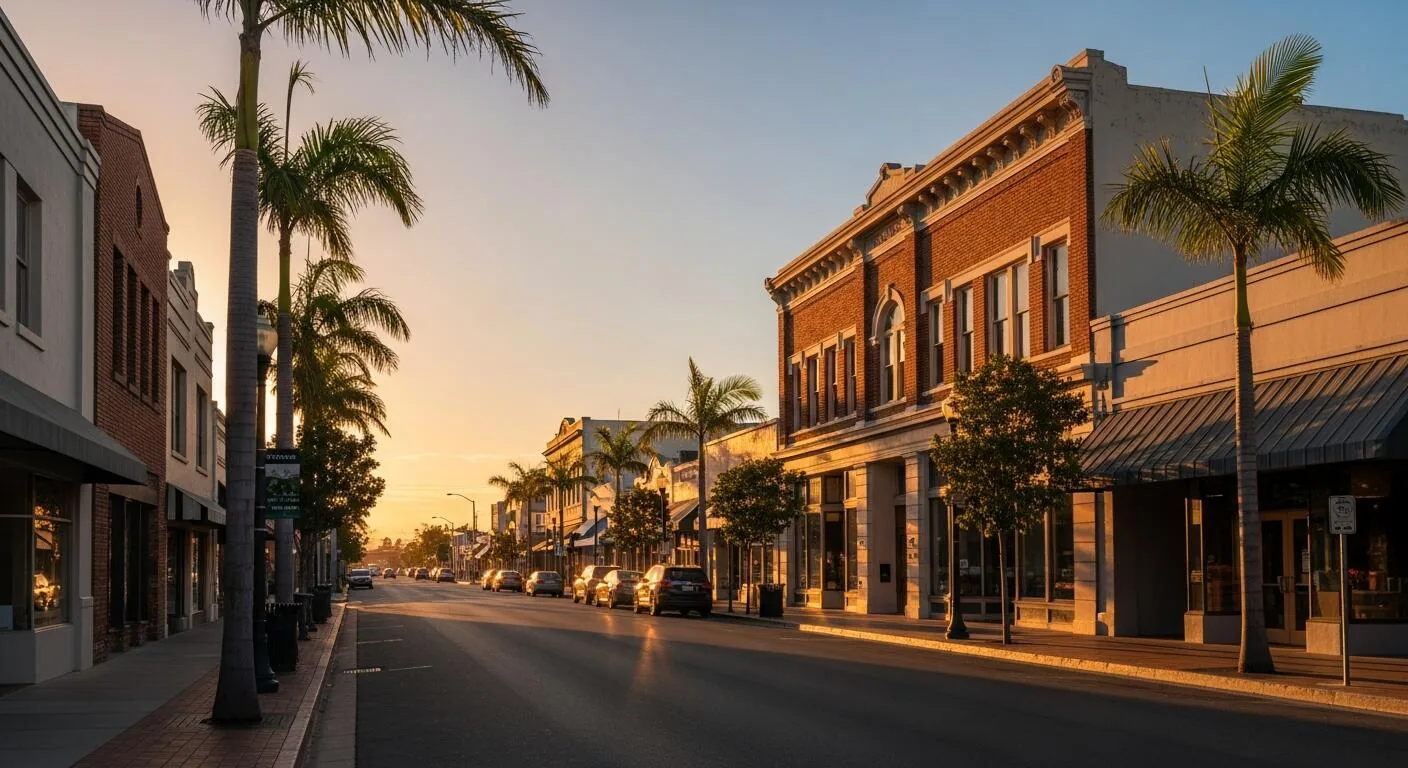
An exhaust curb can draw a repair crew to one corner while the water path continues below the membrane toward a dining room. In Santa Maria, CA, we check the curb flashing, duct support, adjacent seams, and drain path before setting a restaurant roof boundary. Cooking, service, and deliveries may keep the building active. We ask which systems must remain available and mark where material, lifts, and temporary protection can move without crossing the operating route.
One leak report does not identify its entry point. Water can travel across a deck, insulation, or a membrane lap before reaching the ceiling. We compare the interior location with drains, penetrations, wall turns, and equipment curbs, then record what is confirmed and what needs a test opening. The property manager gets a practical scope: the affected roof area, the access window, the likely repair sequence, and the condition that would change the boundary.
Exhaust: check the curb before the field
At the exhaust penetration, we inspect the curb height, flashing, corners, fasteners, counterflashing, and membrane tie-in. Vibration or later equipment service can stress a transition, but we verify the actual detail rather than assuming the unit caused the leak. Nearby seams and drain bowls are checked too. Photos connect the equipment detail to its roof zone, while any equipment isolation or service clearance becomes a scheduling item.
At KSMX in Santa Maria, the 1991-2020 precipitation normal totals 13.32 inches a year. On a restaurant roof, we inspect exhaust-side bowls and low points directly; extensive ponding beyond 48 hours requires City drainage analysis and corrective measures before a new covering is applied.
A stain over a kitchen, dining area, or storage room is mapped against the roof above it. We note ceiling changes, odors, equipment concerns, and any restricted access shared by the manager. Moisture readings can narrow the area for further review; an authorized test cut confirms hidden layers. The roof inspection records both the visible condition and any limit on what could be opened.
Repair: separate one curb from a roof-wide decision
A local repair fits when the membrane is dry and well bonded beyond the opening and the curb can be reflashed into compatible material. We remove loose edges, prepare the surface, and document the lap and termination. If wet insulation extends farther or similar curbs show the same failure, the scope may need to widen. The repair boundary identifies the area priced and the condition that would require approval before extra work.
Some restaurant roofs have multiple penetrations added over time. We compare their flashing, support, drainage, and repair history before repeating a sealant patch. A damaged curb corner may be isolated, but a lifted seam across several penetrations suggests a repeated detail problem. We mark each finding by location and discuss whether testing or a larger assembly inspection is needed before a permanent repair is priced.
For a restaurant reroof, the City requires a permit and then written approval of its pre-roof inspection before the new covering is applied. The reviewer considers the structure over the kitchen, deck, water path, existing layer attachment, wet insulation, and fire-retardant requirements. We put this checkpoint ahead of exhaust coordination and the crew's end-of-shift dry-in. A replacement scope marks the kitchen-side work boundary.
Tie-in: match the membrane and flashing
We identify whether the field is TPO, PVC, EPDM, modified bitumen, or another assembly before choosing repair materials. TPO seams are welded, while EPDM and modified bitumen use different preparation and flashing details. The tie-in must reach sound material and maintain the water path around the curb. A TPO curb detail is different from an asphaltic membrane transition; the visible surface alone does not tell us whether the substrate is dry.
Exhaust housings, condensate lines, vents, and service platforms may need different protection while work proceeds. We confirm what can be shut down, where a technician needs access, and whether the roof can be staged without obstructing delivery or fire access. The scope identifies which penetration details are included and which equipment changes need coordination. A repair should not close over a curb before the responsible building contact confirms its service plan.
Downtown Santa Maria's plan includes food and service uses alongside retail, hotel, and multifamily categories. The Betteravia corridor is described as a commercial area with shopping destinations, and Enos Ranchos includes retail in a broader planned mix. These area facts frame questions about deliveries and operating hours, not a restaurant's equipment. A grocery roof scope or shopping center roof plan raises related access questions, but each site needs its own inspection.
Service window: keep the dry-in limit small
We plan where lifts, material, and debris can move before choosing the first work zone. A restaurant may need a clear delivery lane, kitchen exhaust, and customer entrance throughout the shift. The manager shares those limits; we identify staging, daily boundaries, and temporary protection that can be completed within the crew's capacity. Drains remain open as work moves, and each exposed area is closed before the team leaves.
Santa Maria's Downtown and Betteravia areas offer different retail settings, but a place name does not establish building access. For a site near Downtown, the roof work sequence is set from the actual loading route and operating hours. At Betteravia, we confirm the property's tenant and service lanes directly. The corridor roof review still begins with that roof's drains, curbs, and access limits.
Price and duration follow the measured field, number of penetrations, flashing, insulation and deck repairs, disposal route, and timing restrictions. We distinguish the repair from any allowance for concealed damage and show the approval point for added scope. A written condition report helps the owner compare urgent stabilization with a planned reroof without treating every restaurant roof as the same assembly.
Closeout: record every repaired penetration
We photograph each repaired curb, seam, drain, and tie-in, then mark the roof zone and work limit. The record notes equipment that stayed active, any service access maintained, and conditions left outside the scope. That lets the restaurant manager connect a later report to the actual detail instead of reopening the same question from memory.
For a capital review, the useful record distinguishes tested layers from what remained concealed. We list the repair boundary, materials, staging limits, and any hold point that affected timing. Arrange a roof walk and share exhaust, equipment, delivery, and customer-access restrictions; we will document the water path and proposed work sequence before pricing.
Commercial Roofing Questions
Can roof work continue while kitchen exhaust stays on?
We inspect the curb and service route, then confirm with the manager or equipment contact whether the system can remain in operation. The answer depends on the repair detail and access needed for preparation. We set a work window and temporary protection before the crew opens the area.
Does a leak beneath an exhaust hood mean the curb failed?
A ceiling location is only one clue. We check curb flashing, nearby laps, drain paths, condensate routing, and the roof area above the report. Readings or an authorized opening may be needed to find wet insulation and set a repair boundary.
How do you protect dining and delivery access?
The manager identifies entrances, service lanes, delivery periods, and any area that must remain available. We plan lift and debris routes around those constraints and divide the roof into daily dry-in areas. Temporary edges and drains are checked before the team leaves.
When does recurring curb work need a wider scope?
Repeated failures at similar penetrations, wet insulation beyond a patch, or loose attachment across several roof zones can call for more review. We map the findings and separate confirmed repairs from testing or replacement decisions. Any added area is priced after the condition is documented.
What conditions affect a restaurant reroof schedule?
Equipment service, exhaust operation, customer traffic, receiving, permit review, and the amount of roof protected each shift all shape timing. Santa Maria's pre-roof inspection is scheduled before a new covering goes down. We agree on the access sequence with the manager before mobilization.
Plan the next roof visit
Tell us about the building and what you are seeing on the roof. Request a roof assessment and we will set up a time to look at it.