Aircraft Hangar Roofing in Santa Maria, CA
Review an aircraft hangar roof
Share door-operation windows, maintenance routes, and prior leak records. We will inspect the roof edges, panels, seams, and drainage, then document the repair or replacement sequence around site access.
Request a roof assessment or call 555-555-5555.
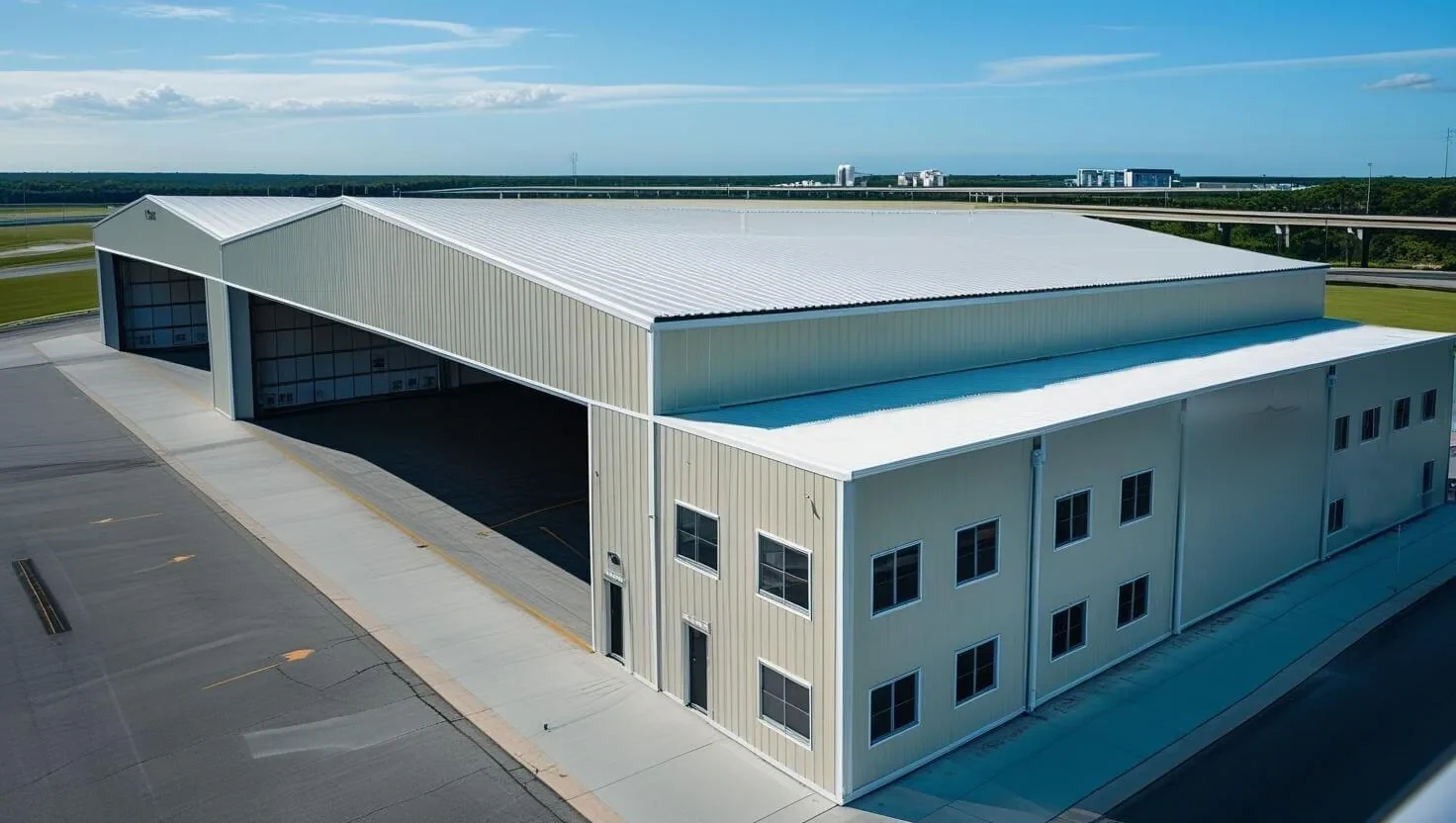
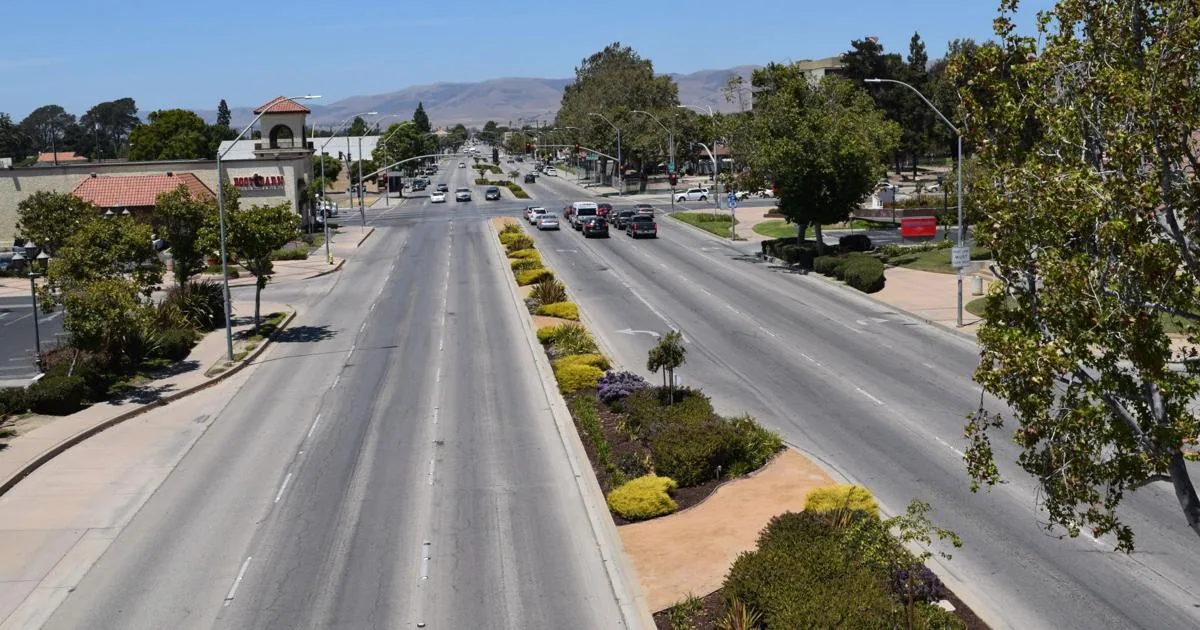
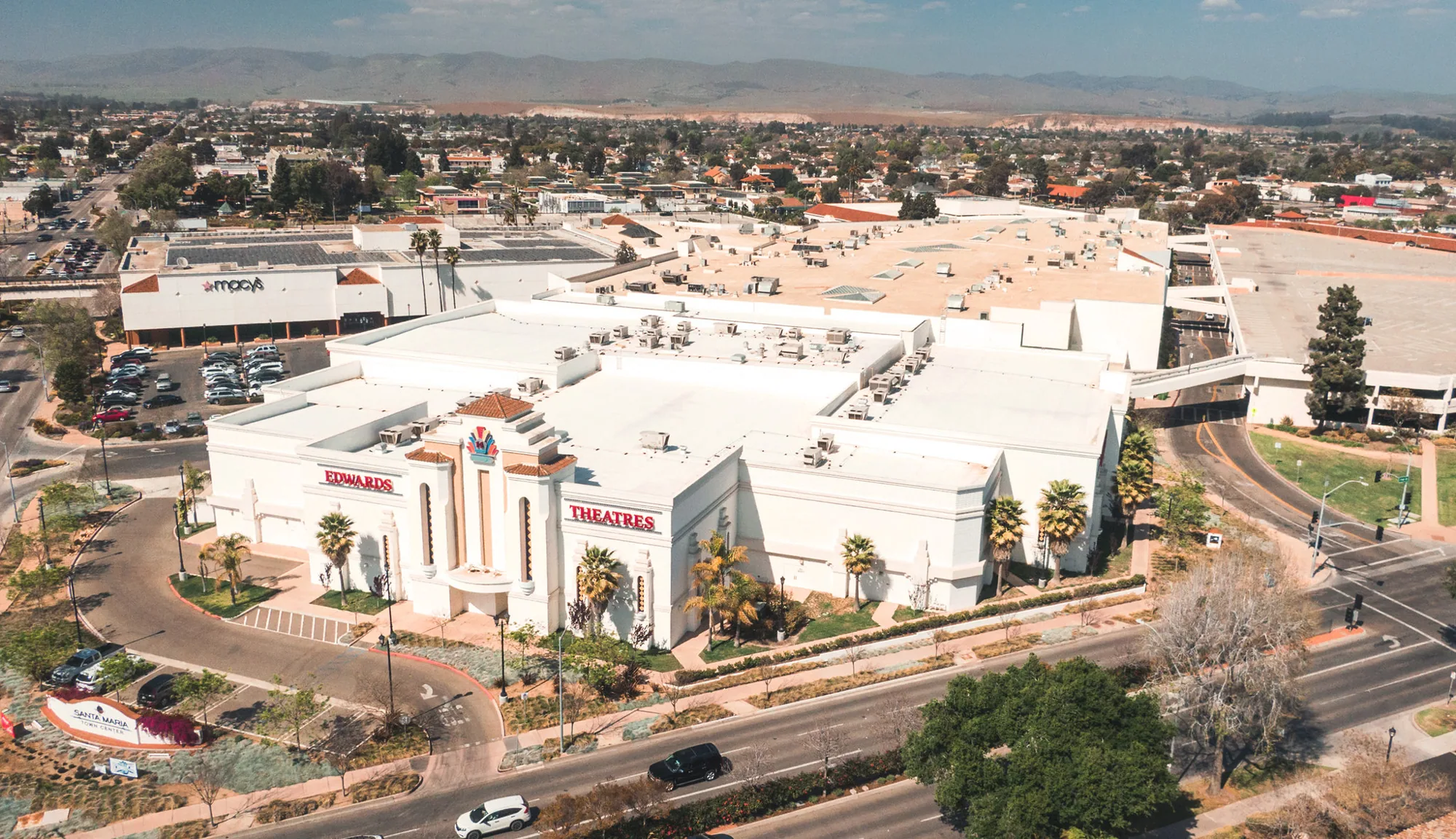
A leak beside a hangar door track can affect the opening clearance as well as the roof below it. In Santa Maria, CA, we inspect the edge, membrane or metal panels, support lines, and drains before setting a repair boundary. Door travel, aircraft movement, and maintenance access belong in the plan before lifts or materials are staged. We document the detail and keep the work zone clear of operating areas identified by the property manager.
Hangars may have broad roof spans, large doors, service rooms, and equipment penetrations, but those features do not reveal the assembly or its condition. We verify roof layers, attachment, and water routes on the actual building. Near Santa Maria Airport Business Park and West Stowell Industrial Corridor, planned employment uses include aviation services, manufacturing, processing, storage, and repair. For a hangar roof, the operator sets door, equipment, and service-route limits before staging. A commercial roof inspection can map the observed structure and details before repair or replacement is priced.
Inspection: trace the door-side transition
At a large opening, we check the edge metal, wall flashing, fasteners, and sealant where the roof meets the door assembly. A gap above the track can admit water, but the interior drip may also follow a purlin or deck joint from another location. We compare the report with the roof field and support lines, then identify the detail that can confirm the path. Any test opening is placed with access and protection agreed in advance.
We check current surface and substrate conditions before selecting welding, fastening, or sealant work. Where water collects near a low point, we inspect the drain bowl, overflow, and slope rather than assume that replacing a panel or seam will correct the path.
Roof drains, gutters, scuppers, and perimeter conditions work together on large-span buildings. Where standing water persists beyond the local 48-hour threshold, the drainage condition calls for analysis and correction rather than a surface patch alone. We photograph the observed water path and separate drainage corrections from a local flashing repair. A drainage inspection can address the outlet assembly, while a broader drone roof survey can help document areas that are difficult to view from a safe access point.
Building context: protect movement and access
Before a roof walk, the manager identifies door operation, maintenance windows, pedestrian routes, and any area that must remain clear. A lift may need to work outside the door sweep or away from equipment movement. We agree on a staging point and a daily limit for open roof, then coordinate any tie-off or access restriction with the person responsible for the hangar. If a section sits above a shop or office, we plan interior protection separately.
The Airport Business Park allows airport services, light industrial, research, and manufacturing uses; West Stowell permits manufacturing, processing, warehousing, storage, utilities, and repair services. Those settings call for a direct check of door movement, material staging, and equipment access at the property. A roof visit in the Airport Business Park is scheduled with the operator to confirm access and material staging.
Exhaust fans, antennas, conduit, lighting, and mechanical equipment can interrupt roof sheets or panels. We inspect each curb, boot, and base flashing for movement, failed sealant, or fasteners that have backed out. If electrical or mechanical service is planned, that trade may need access before the new flashing is closed. We record the sequence and identify any connection outside the roofing scope so no one assumes that membrane work includes equipment disconnection.
Repair options: match panel, seam, or membrane
A metal-panel repair depends on the panel profile, coating, fastener condition, and the surrounding support. We check sidelaps, end laps, clips where accessible, and flashing at the opening before replacing a fastener or sealing a joint. On a membrane roof, the repair boundary needs sound sheet and a compatible tie-in. If corrosion, wet insulation, or deck movement extends past the visible defect, we mark the added removal or test needed instead of covering the evidence.
For a larger project, a manufacturing roof assessment may address similar equipment clearances, while a distribution building roof review can consider loading and staging. Neither determines the hangar's assembly. We compare existing layers, structure, attachment, door clearances, and drainage before evaluating a recover or replacement. A standing seam system review is relevant only when that system and its support conditions are confirmed.
Replacement work needs a dry-in plan that protects the opening and keeps the door functional. We set how much panel or membrane can be removed, where material will land, and when the transition can be closed. The installation calendar reserves the city review as a stop point between prepared deck and new membrane. Photos document the exposed deck and completed flashing so the operator can see what was installed at the door, curb, and perimeter.
Timing: set the work window before staging
Santa Maria's permit path requires inspection and written clearance before the covering is placed; the schedule keeps that approval ahead of the installation crew. Before closing the roof, the reviewer may examine support condition, deck, drainage paths, current assembly, moisture, and required fire resistance. We place that hold before covering begins, then coordinate the inspection with the operator's access window. The crew does not plan tear-off past the point that can be secured before the end of the shift.
Fog and rain can affect bonding, coating, and temporary protection. We check the roof surface and substrate before applying the specified material. If the weather changes the work limit, we reduce the open area and preserve a sound dry-in edge.
Emergency calls can be handled around the clock, including holidays. We first control active entry and protect the contents below, then record temporary cover and any access restrictions. Permanent work follows after the roof edge, door transition, and water path are inspected. A commercial emergency roof response can address the active leak, while a condition report preserves findings for the permanent scope.
Maintenance: keep the opening and roof aligned
After repair, the roof record should identify the door, roof zone, fasteners or flashing replaced, photographs, and any movement or access limit observed. The operator can compare later door service with the same perimeter detail. We keep the confirmed repair separate from surrounding panels or seams that were not opened. A preventive maintenance visit can check edges, drains, fasteners, and penetrations without assuming every part of the span wears at the same rate.
Later roof walks can include gutter flow, door-side flashing, exposed seams, roof traffic, and equipment bases. Changes to lighting or mechanical systems may create a new penetration that needs a compatible detail. We record the opening and any trade coordination needed before work proceeds. If the roof assembly is being considered for replacement, the existing plan and photos help scope access, staging, and the sequence around door operation.
Commercial Roofing Questions
Can a hangar door remain usable during roof repairs?
The opening, lift position, and repair zone determine the safe sequence. We coordinate the door schedule with the operator, stage outside the travel path where possible, and define when an area must be clear for work or dry-in.
How do you find a leak near a large door?
We inspect the head flashing, edge metal, track area, nearby seams, and support lines, then compare them with the interior report. A test opening is useful when it can confirm a concealed path or assembly condition that changes the repair boundary.
What affects repair timing on an aircraft hangar?
Door operation, aircraft or equipment movement, lift access, weather, substrate condition, and inspection holds can alter the sequence. We set a daily dry-in area and coordinate access before material is staged or the roof is opened.
Can an existing metal roof be recovered?
Panel condition, fasteners, corrosion, support, and added weight all affect that decision. We inspect the existing assembly and verify project requirements before recommending a recover. If the metal or structure cannot support the proposed detail, replacement or localized repair may be more suitable.
Related
Plan the next roof visit
Tell us about the building and what you are seeing on the roof. Request a roof assessment and we will set up a time to look at it.