Standing Seam Metal Roofing in Santa Maria, CA
Arrange a panel and seam review
Share roof access, lift limits and operating hours. We will inspect the seams, panels, edges and transitions, then document repair limits and the staging sequence before pricing.
Request a roof assessment or call 555-555-5555.
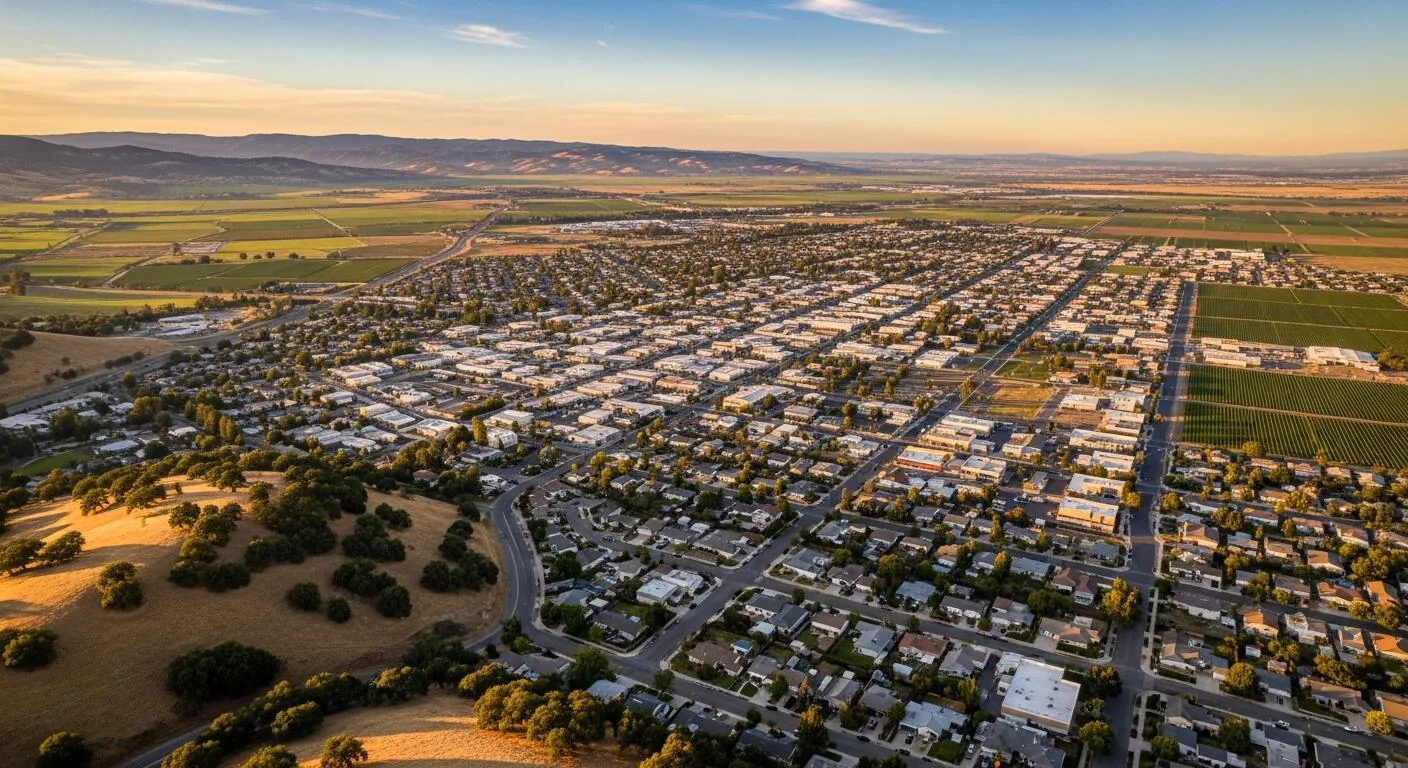
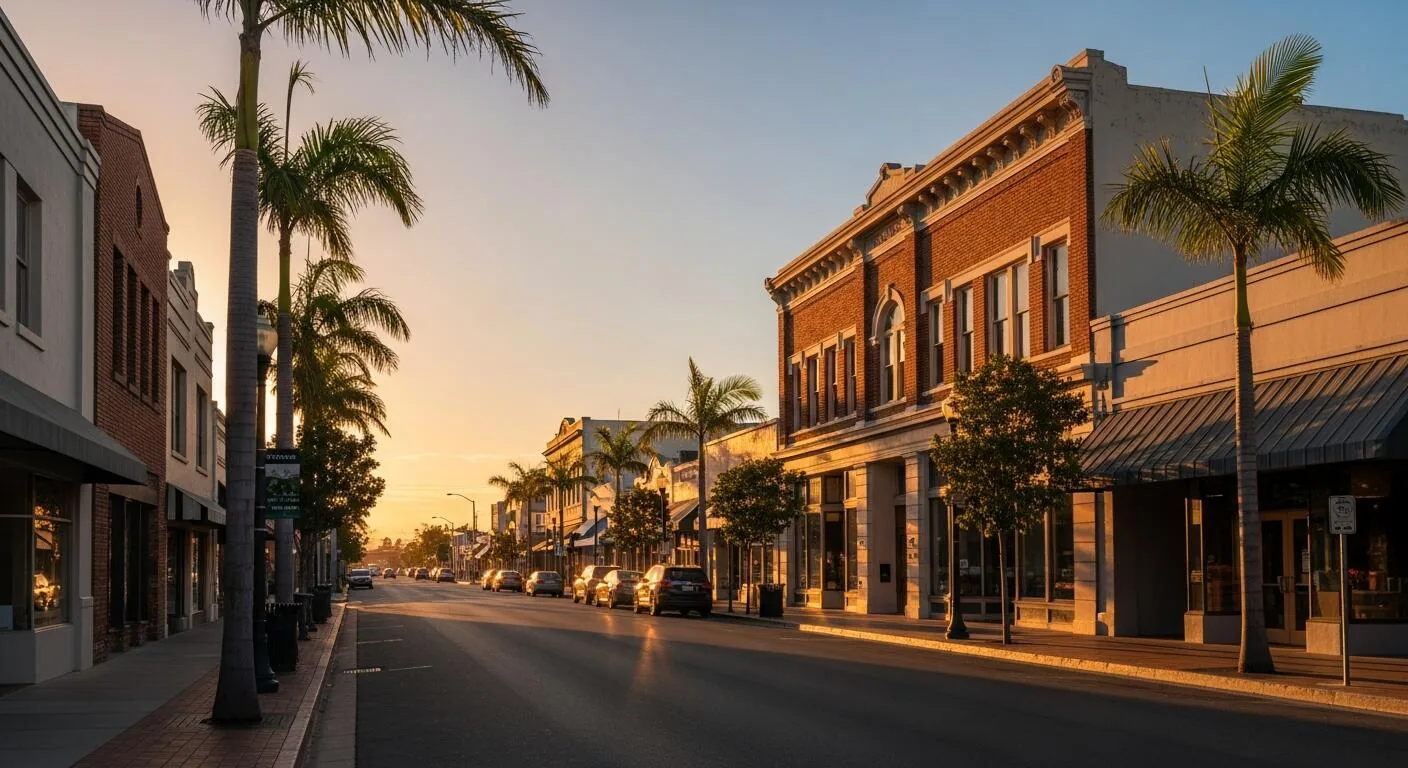
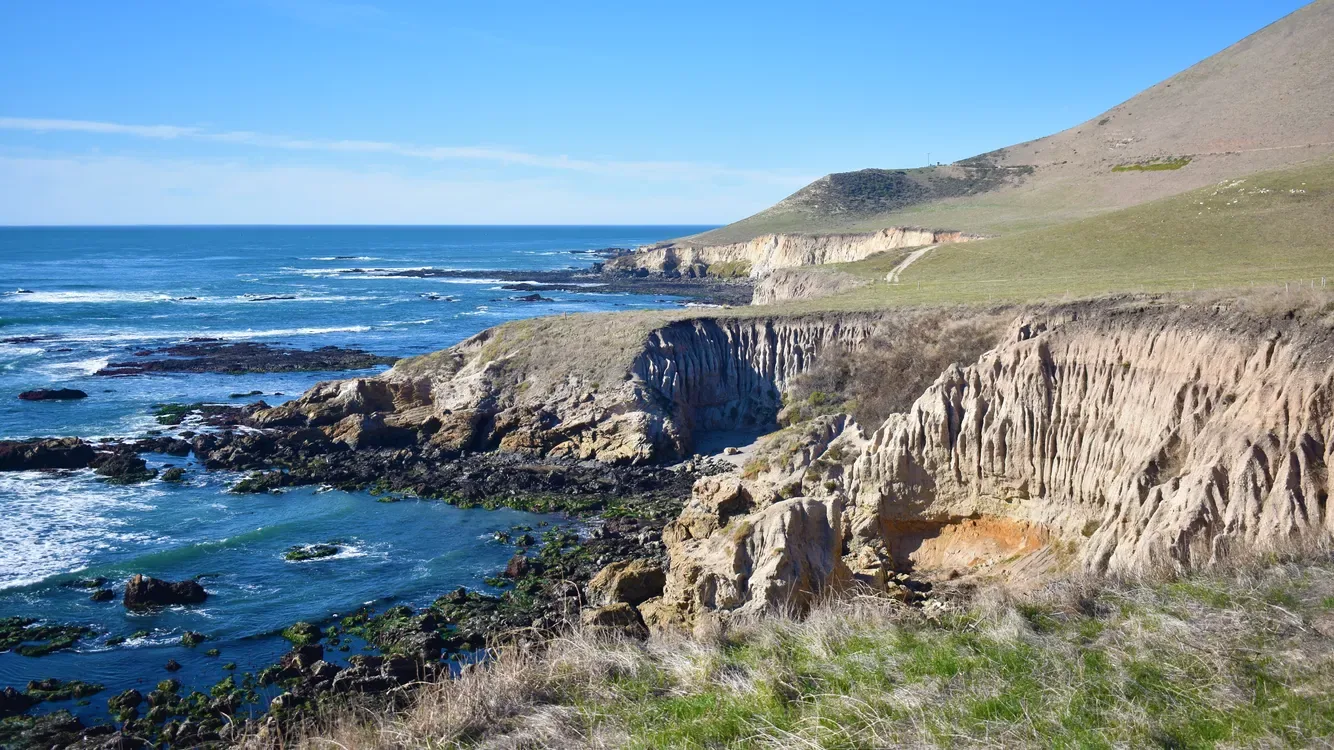
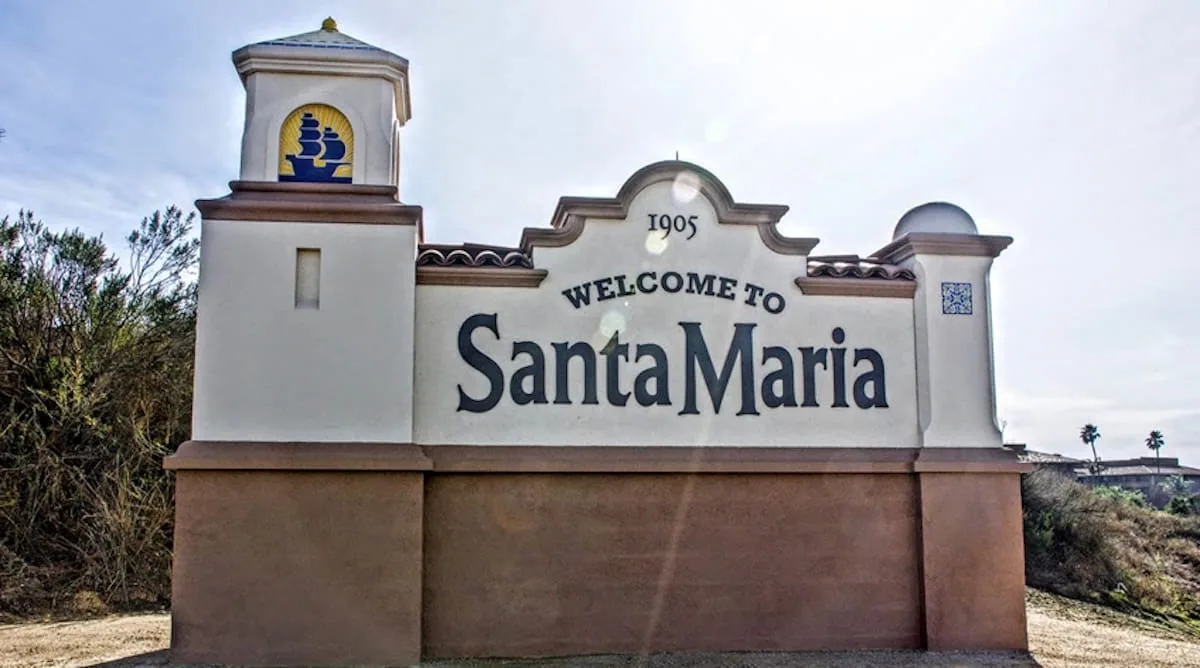
A standing seam panel can move as temperature changes, but a fixed clip, pinched seam or blocked valley can keep that movement from reaching the eave. In Santa Maria, CA, we trace the panel, clips, ridge and edge before deciding whether a repair belongs at one detail or across a roof run. West Stowell Industrial Corridor planning allows manufacturing, processing, warehousing, storage and equipment services; Santa Maria Airport Business Park planning includes research and specialized manufacturing uses. At the property, we verify the access route and identify the installed panel profile, clips and transitions.
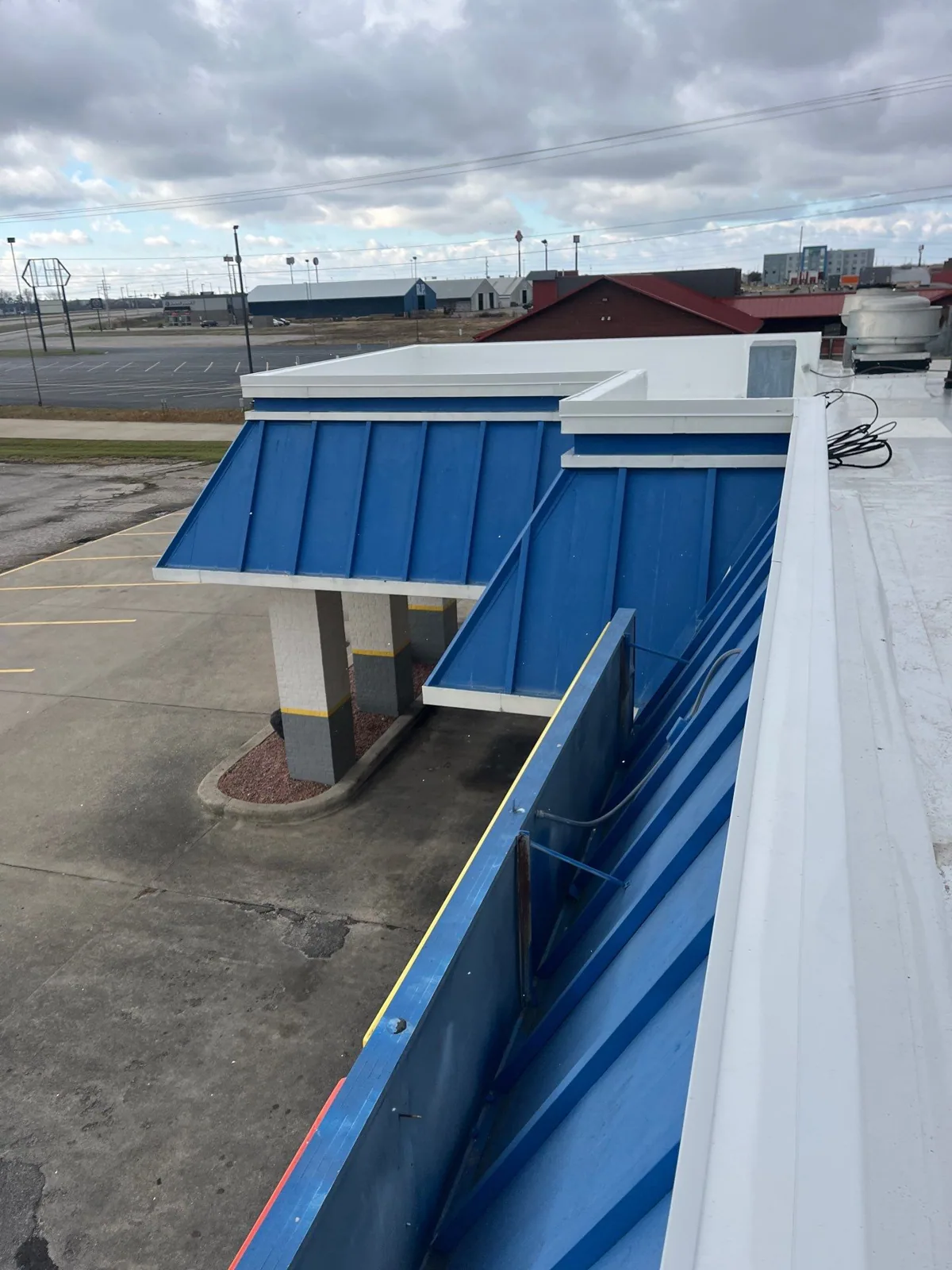
Standing seam systems use raised, interlocking seams to shed water and conceal many fasteners below the panel surface. The assembly depends on panel profile, clip type, substrate, slope and properly formed transitions. A roof inspection follows the water path from ridge to eave and checks where the panel meets curbs, parapets and drains.
At the seam: check movement and closure
We look for seams that have opened, buckled or been crushed by an incompatible repair. Clips may be concealed, so we note the panel movement, fastener patterns and visible distortion before identifying a test area. At valleys and end laps, debris, sealant or a poorly formed transition can interrupt drainage. A roof walk maps the affected run, the nearest sound panel and any attachment detail that needs closer review.
Corrosion needs context. We examine cut edges, dissimilar metals, retained debris and water traps, then record whether coating loss is local or repeated. We do not assume a stain means a panel has failed through. A condition report can pair photographs with panel locations, observed movement, open seams and the limits of visual review, giving the manager a usable basis for a repair or replacement decision.
Panel: match the profile and metal
Metal type, gauge, profile, finish and attachment must fit the existing roof and the proposed detail. A replacement panel that looks close can still differ at the seam or clip, leaving a weak transition between old and new work. We identify the system as far as accessible details allow and flag concealed conditions that need confirmation. Coatings and sealants must also be compatible with the metal and surface preparation; they cannot substitute for a correctly formed joint.
Where a low-slope membrane is being compared with a metal assembly, we review the building use and drainage arrangement instead of treating the materials as interchangeable. Metal roof retrofit work may address exposed fasteners and weathered coating, while TPO membrane installation follows a different seam and flashing method. New edge details may also require a coping and edge review where the panel terminates at a wall.
Repair: keep the water path continuous
A localized repair can work when sound metal surrounds the problem and the seam or flashing can be restored without trapping water. We may address a loose panel, failed closure, damaged trim or an isolated penetration detail after checking attachment and adjacent panels. A bead of sealant over an open seam is not a substitute for correcting the joint. The written repair scope names the detail, materials and panel area included.
Repeated corrosion, wide panel distortion, failed clips or deterioration at many transitions can call for a larger retrofit or replacement. We inspect the substrate and edge condition, then coordinate removal, insulation, underlayment and attachment with the selected assembly. A replacement plan should describe what happens at ridges, eaves, valleys, curbs and penetrations. When a project applies a different covering, Santa Maria places the permit and pre-roof review ahead of installation. The review checks deck and structure, water disposal, existing attachment, wet insulation and required fire protection.
Sequence: stage panels and protect openings
Santa Maria’s KSMX station recorded 21.52 inches of precipitation during 2023, and its highest daily maximum temperature that year was 101°F. We check the property's actual panel condition before choosing a repair window. For scheduling, the useful questions are whether the substrate and sealants are ready for the specified work and how open sections will be protected if conditions change. We set a daily boundary, identify temporary closures and keep drains and overflow routes clear.
Panel length, lift access, material staging, fastener removal and tie-in details determine how a metal roof is sequenced. If work crosses occupied areas, a phased roof plan can identify where crews, lifts and materials may move each shift. We coordinate equipment access with the building contact and account for inspection holds before covering concealed attachments. A field schedule should reflect the actual roof and access window, not a blanket promise made before the walk.
Local setting: distinguish plan areas from roofs
The West Stowell Industrial Corridor plan permits manufacturing, processing, warehousing, storage, utilities and repair or equipment services. The Airport Business Park plan includes airport services, research, manufacturing, office and public uses. Freight rail is near West Stowell, and the Airport Business Park lies immediately south of the public airport. For panel work, we confirm the building's access route, operating hours and equipment service needs with its manager.
We note where a lift can stage, whether maintenance staff need roof access during the work, and which entrances require protection. A broader review in the West Stowell area begins at the actual building, where we map its panel runs, seams, clips and eaves before staging material.
Closeout: track the repaired panel run
At closeout, we mark the panel runs repaired, the seams or trims reset, and the transitions that were outside the work boundary. Photographs should show enough context to locate each detail later. A later maintenance inspection can revisit closures, fasteners, edge metal, valleys and coatings without treating a visual check as proof of concealed attachment. If a test opening was needed, we record its location and how it was closed.
Before pricing, the property manager can share lift restrictions, work hours, equipment clearances and any required inspection window. We will walk the ridge, seams, clips, eaves and penetrations, then document the repair boundary and proposed staging. That record lets the owner compare a targeted repair with wider retrofit work while keeping the panel profile, drainage path and occupied-space schedule in view.
Commercial Roofing Questions
What can make a standing seam joint leak?
An open or distorted seam, poor closure at an end, a failing penetration detail or water held at a transition can interrupt the panel's drainage path. We inspect the joint and adjacent attachment before choosing a repair. The scope should state whether the repair addresses one detail or a longer panel run.
Can a damaged panel be replaced without changing the full roof?
A single-panel replacement is possible when the profile, metal, finish and attachment can be matched and the neighboring seams remain sound. We check access, panel length and how the new piece will join the existing run. Concealed clips or substrate conditions may require confirmation before the final scope is set.
When should a metal roof be retrofitted?
Repeated exposed fastener leaks, coating breakdown, widespread corrosion or failing transitions can justify a broader review. We inspect representative areas and identify whether the panel, attachment, substrate or flashing is driving the condition. The resulting proposal can compare local repairs with retrofit or replacement scope.
What affects the timing of panel work?
Lift access, panel lengths, material staging, inspection holds, weather conditions and the amount of roof that can be protected each shift affect sequence. We confirm how the building operates and where equipment access must remain. Those details shape the schedule before removal or installation starts.
What does the inspection record include?
We mark panel runs, visible seam and edge conditions, corrosion, drainage paths, penetrations and any areas that need a closer test. Photographs and repair boundaries help the manager compare future observations. We also list what could not be confirmed without opening the assembly, rather than treating it as known.
Plan the next roof visit
Tell us about the building and what you are seeing on the roof. Request a roof assessment and we will set up a time to look at it.