
Public Agency Roofing in Santa Maria, CA
Plan an agency roof inspection
Share public hours, access routes, affected rooms, and available roof records. We will inspect the details, map repair boundaries, and document the permits, inspection holds, and sequencing the facility needs to schedule the work.
Request a roof assessment or call 555-555-5555.
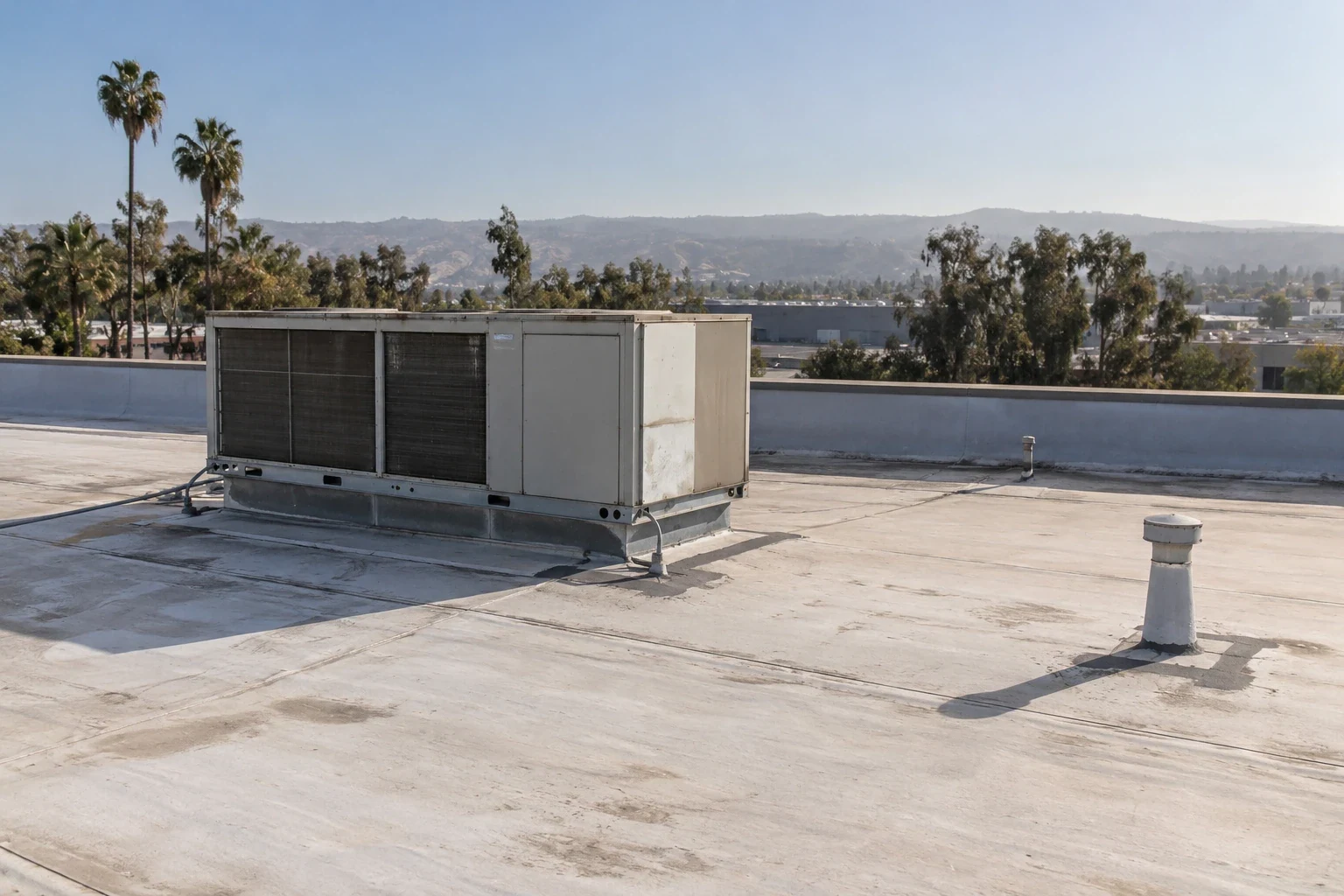
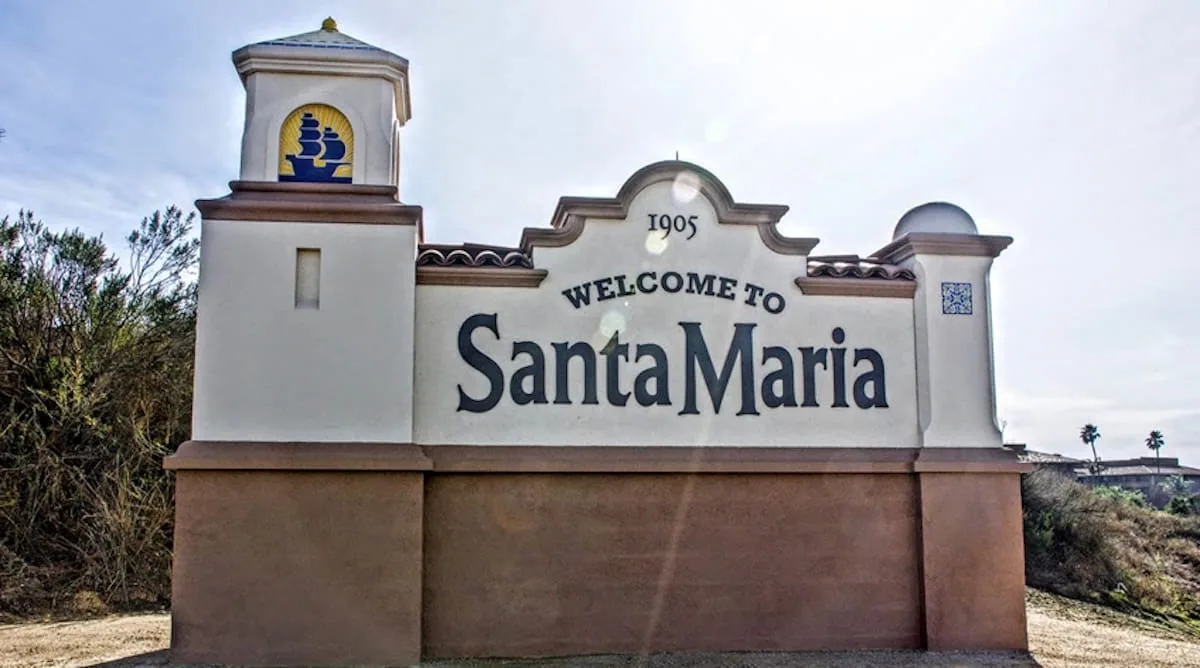
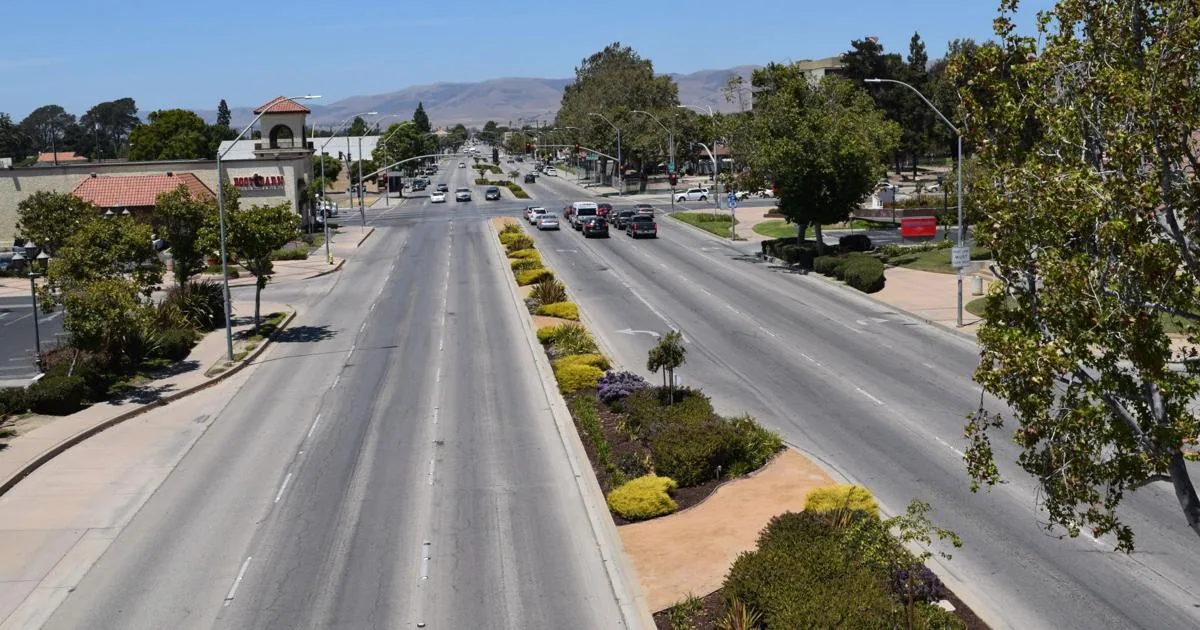
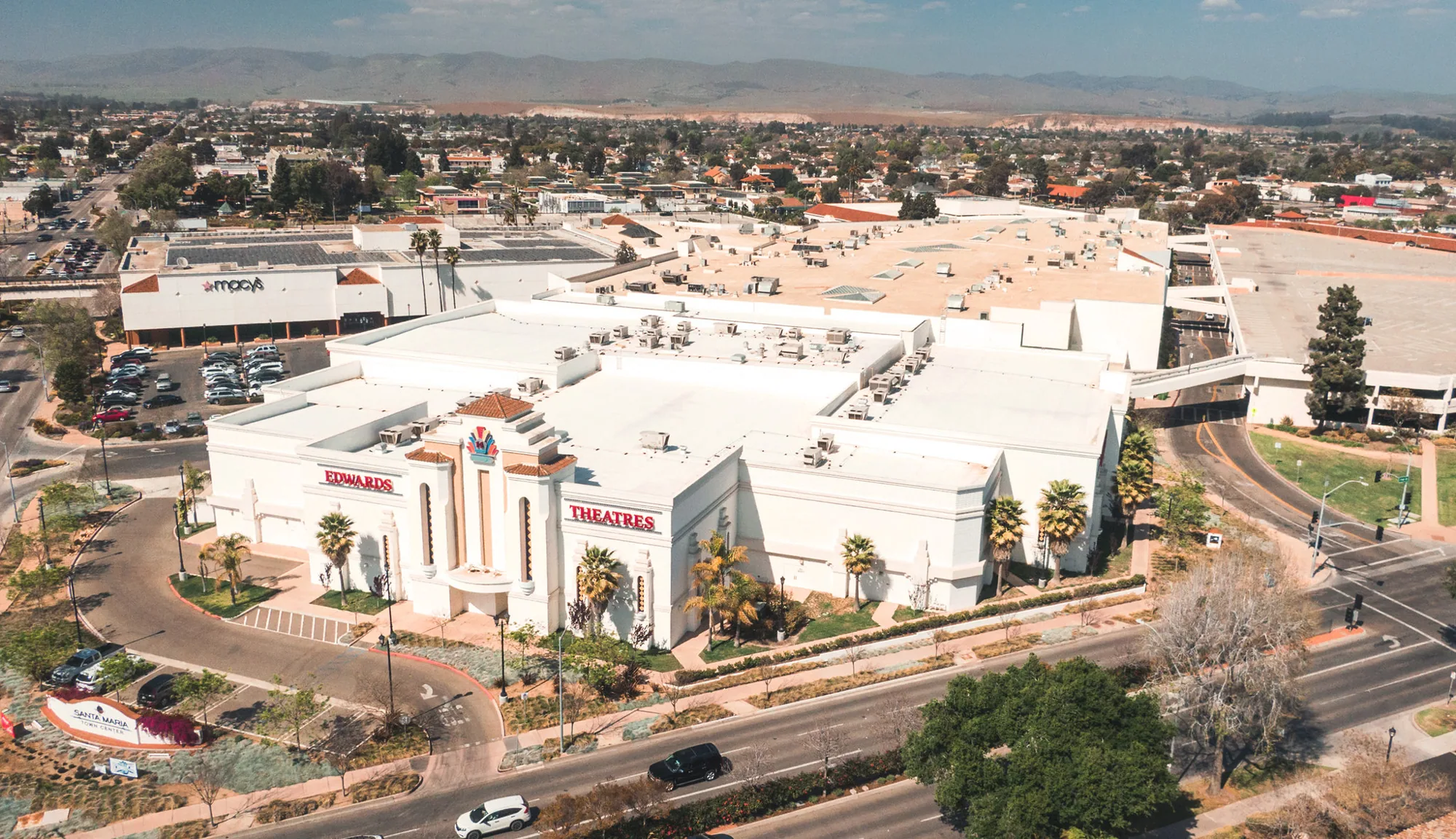
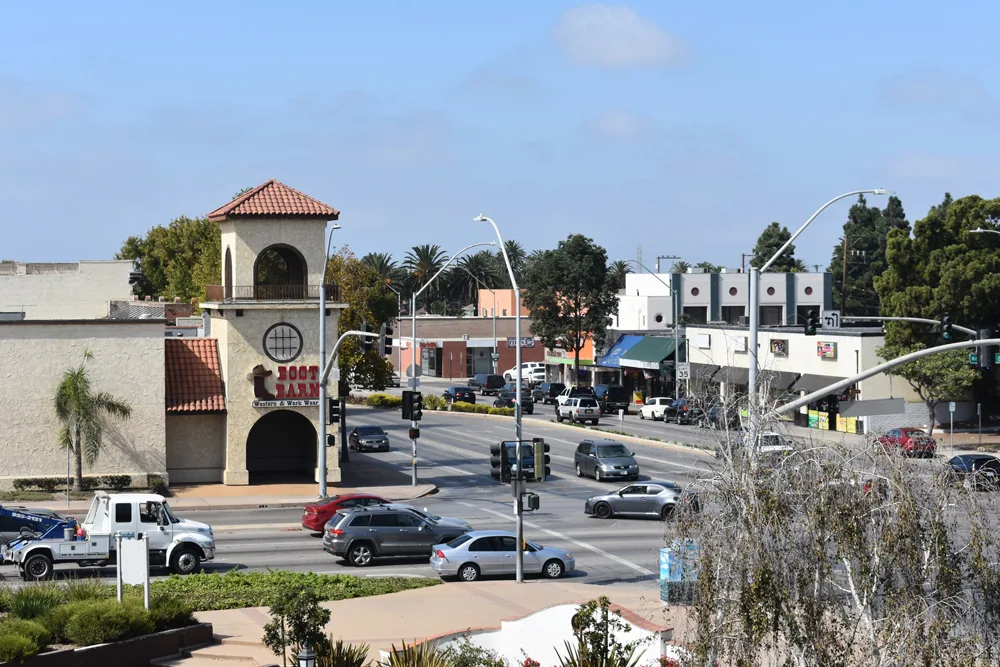
A separated coping lap above a service counter can put water into a public room while the building remains open. In Santa Maria, CA, we inspect the edge, membrane turn, drain path, and access route before we set the repair boundary. Downtown Santa Maria planning allows retail, food, hotel, public, and mixed-use categories. The Entrada Broadway-Main Corridors have separate streetscape guidance. Those planning contexts help locate public access questions, but the roof condition comes from the building itself.
Agency facilities teams need work limits they can coordinate with staff, visitors, procurement, and building users. We mark the roof zone, photograph the detail, identify rooms or entrances below it, and list what remains for testing. A roof condition report gives the facility team a record of visible conditions, completed work, and inspection limitations that can be kept with maintenance and permit files.
Inspection: document the roof area and public use
We trace a reported interior leak to seams, curbs, wall transitions, edge metal, and drains, then record what supports the repair recommendation. If an opening is needed to check wet insulation or deck condition, the scope identifies the location, room protection, and patch-back method. Public access may continue during roof work, but the affected route and work zone need a clear boundary. A commercial inspection can map those observations by roof area so another facilities contact can follow the same evidence later.
KSMX's annual rainfall baseline for 1991-2020 is 13.32 inches. At the building, we check each drain, low spot, and overflow route after rain. We check actual low points, drain bowls, scuppers, and overflow paths after rain. Under the City's drainage provision, broad ponding that remains after two days triggers analysis and corrective work. We record drainage work independently from a seam patch because outlet capacity and membrane integrity call for different corrections.
Building context: maintain access while crews work
Before staging, the facilities contact can identify public counters, entrances, accessible routes, records rooms, and hours when noise or deliveries need limits. We map where material will move and which interior areas need protection beneath the repair. If the building shares a service drive with another department or contractor, that access restriction belongs in the daily plan. The work area should be closed and dry-in completed before the public route is returned to normal use.
Downtown Santa Maria allows public and quasi-public uses alongside retail, food, hotel, and residential categories. The City plan places Broadway and Main Street beyond the Downtown boundary within the Entrada Specific Plan. These are separate areas with different access patterns. The West Main Specific Plan Area sits at the urban-rural edge, with agricultural land to the west and urban uses to the east; its plan calls for a commercial and industrial center suited to that setting. This is geographic context only; roof access and site layout still require direct confirmation. For a roof walk in Downtown Santa Maria, we coordinate the building's own occupancy and route needs rather than presume a district-wide schedule. A phased occupied-building plan can keep work confined to zones the agency can close and secure.
Repair options: connect the scope to the approval
A patch may be suitable when the membrane, lap, and substrate around the defect can support a compatible repair. We define that boundary and include photographs of nearby details checked. If the roof shows several leaking transitions, wet insulation, or repeated repairs, we document the evidence and identify whether further testing is needed before replacement pricing. That gives an agency a defined scope for procurement rather than a general request to address an unspecified roof condition.
If water is actively entering, dispatch is available day or night, holidays included. We first limit the intrusion and shield rooms, then record the temporary protection for the facility file. Permanent work proceeds after the source and surface are inspected and the repair detail can be prepared. If public service cannot stop, the work order can define a restricted entrance, staging route, noise period, and dry-in limit for each day, giving staff clear information to share with building users.
Timing: schedule the permit and inspection steps
A public reroof needs a City permit and pre-roof inspection before the new covering goes on; written approval is required at that checkpoint. Review may involve support framing, deck, drainage, attachment of the current cover, wet insulation, and fire-retardant provisions. We coordinate the hold with project records and the daily securement plan. For a public project, those steps should be aligned with procurement dates, staff availability, and the time needed to secure the roof each day.
Fog can alter the window for washing, bonding, and coating preparation. KSMX's 42-year archive produces an annual mean of 62.4 heavy-fog days. Before preparation, the crew checks the roof surface and substrate at the agency building. The crew checks the actual surface and substrate before starting the specified step. A coating scope includes preparation and cure timing, while a replacement schedule needs a dry-in boundary that can be closed before the crew leaves.
Maintenance: keep a complete public record
After the visit, we provide the marked zone, photographs, repairs performed, material details, drain observations, and any unresolved item. Facilities staff can file those with permit documents and compare them with future service calls. If a room was unavailable during the visit, we record the access needed and the next inspection step so the file states what remains unseen. If a report arrives from the same room, the roof record shows whether the area was repaired, inspected without opening, or left for testing. A capital planning review can group roof needs by condition and budget window without claiming a service life that the inspection did not establish.
Agency work may share access constraints with school district facilities and healthcare systems, where rooms remain in service during roof work. The building record should still state its own hours, public route, and protection needs. Maintenance walks check drains, exposed laps, curb corners, edge metal, and penetrations that may have changed after another trade visit. We note what is ready for repair and what needs a separate inspection hold before the next work order is issued.
Commercial Roofing Questions
What should an agency include in a roofing scope for bids?
Include the roof-zone map, observed defects, repair boundary, photographs, access rules, interior protection, staging limits, and required permit or inspection holds. We identify conditions that need testing separately from work that can be priced from visible evidence. That lets bidders address the same roof area and sequence.
Can a public counter remain open during repair work?
The entrance, room below, and roof section determine the safe sequence. We coordinate barriers, signage needs, material movement, noise periods, and daily dry-in with facilities staff. If an entrance must close, the plan names the affected window and alternative route before the crew begins that section.
How does the city review a new roof covering?
Obtain the building permit and complete Santa Maria's pre-roof review before laying the new covering; the City must issue written authorization first. Inspectors may examine the frame, deck, water handling, current assembly attachment, insulation moisture, and fire-protection details. We prepare available records and schedule around that pause.
What belongs in the closeout file after roof work?
Keep the marked zones, photographs, materials installed, work limits, drainage notes, permit and inspection records, and any condition left open. We identify which temporary measures were used and what remains for follow-up. A later facilities lead can see which items are done and what evidence remains outstanding.
Related
Plan the next roof visit
Tell us about the building and what you are seeing on the roof. Request a roof assessment and we will set up a time to look at it.