Insurance Roof Restoration in Santa Maria, CA
Document a commercial roof restoration
Share the reported damage area, available photographs, access rules, and any previous repair records. We will inspect the roof, document visible conditions and temporary measures, and outline the permanent repair boundary and permit steps.
Request a roof assessment or call 555-555-5555.
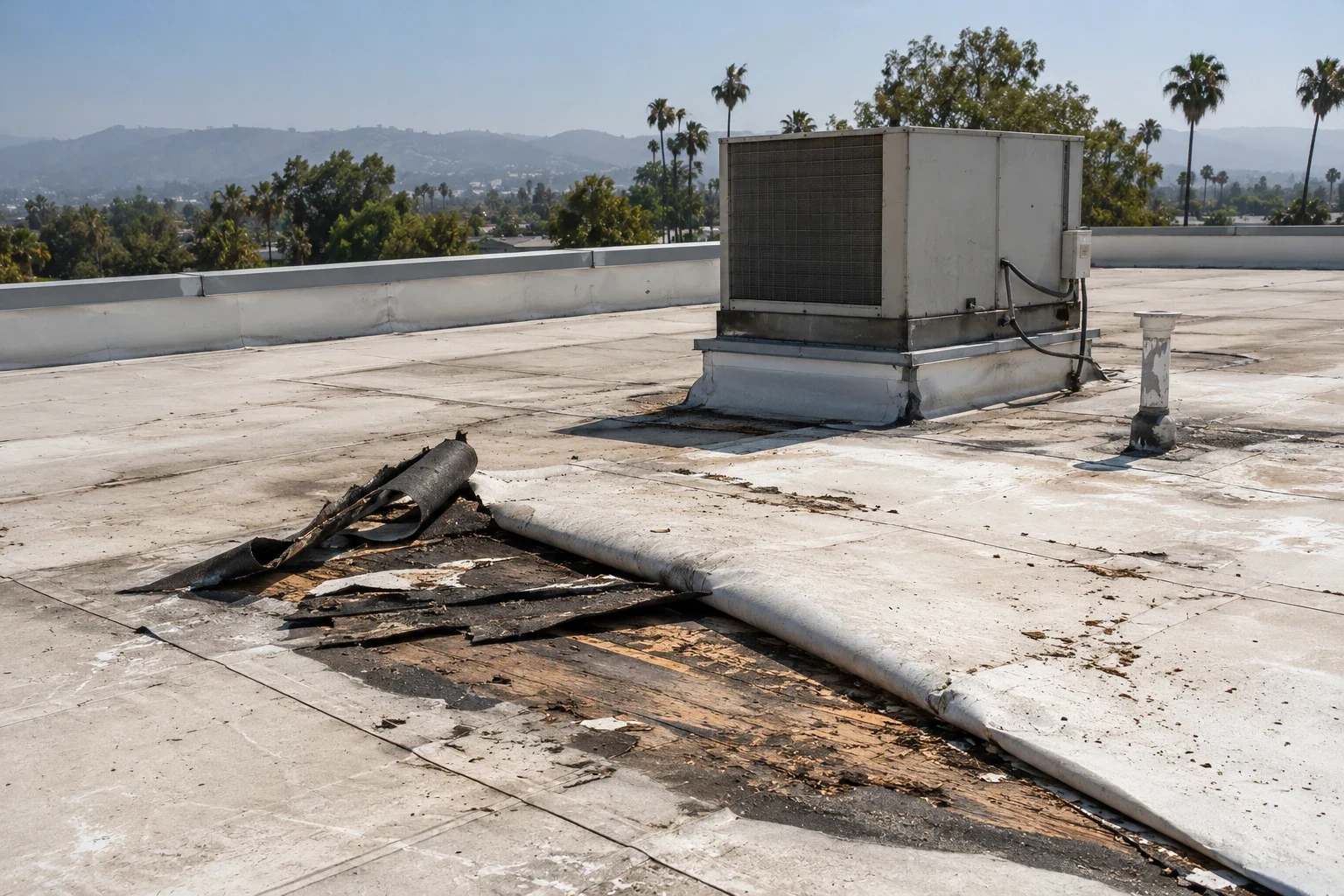
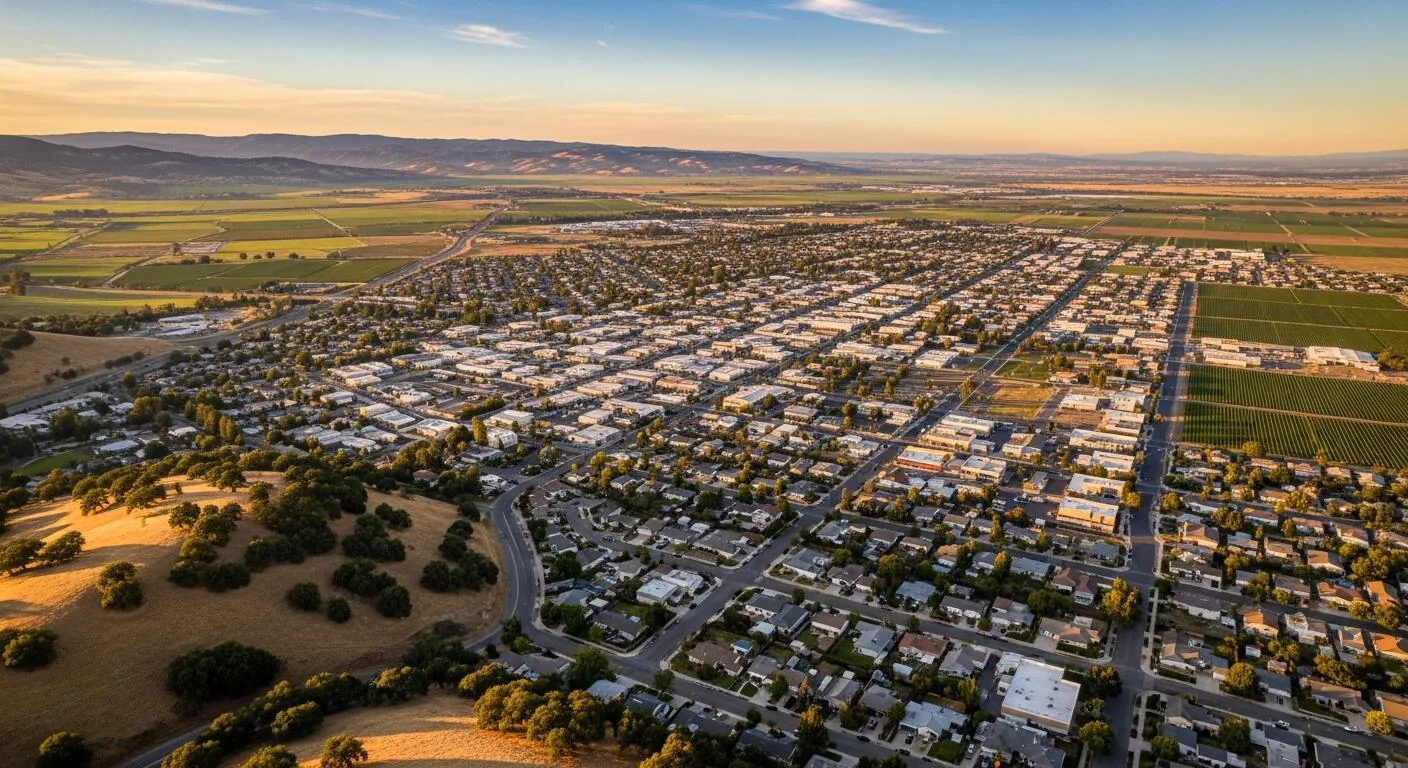
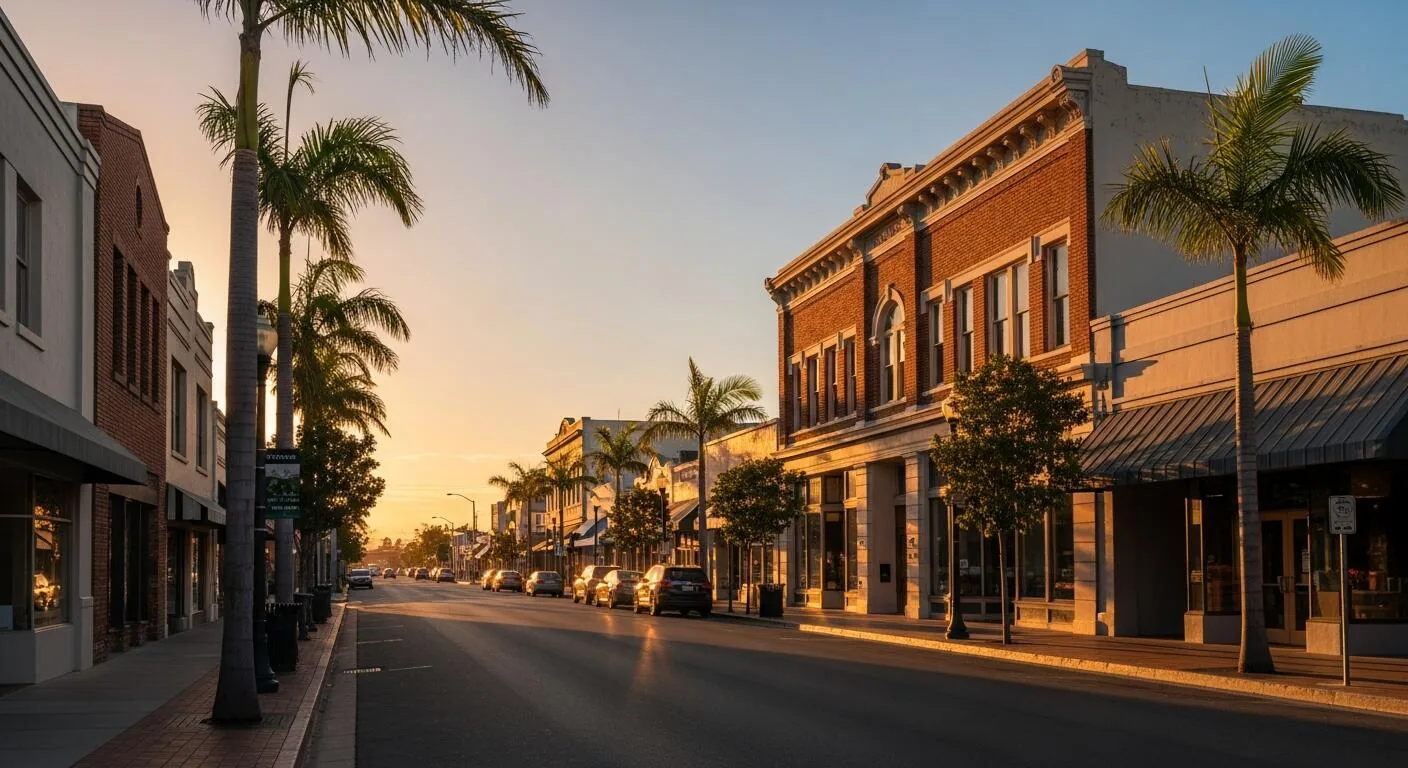

A puncture beside a rooftop unit can look simple until the membrane edge lifts and moisture shows beyond the impact. In Santa Maria, CA, we inspect the detail, nearby seams, drain path, and substrate before recording a repair boundary. The City reports a mix of commercial and institutional uses in Downtown Santa Maria, while the Area 9 Industrial and Commercial Plan Area includes manufacturing, warehouses, equipment service, and agricultural processing. For an insured property, the inspection records the observed damage and identifies which areas need further access or testing.
Restoration records need to show what was observed, what was protected, and what work remains. We photograph the affected area, map roof zones, record moisture readings where useful, and describe the temporary measure separately from permanent repair. A roof claim inspection can provide a written condition record for the owner, adjuster, and restoration team to review against the property and the reported event.
Inspection: separate impact from existing condition
At the reported location, we look for a puncture, displaced flashing, open seam, damaged curb, or other visible change, then check surrounding laps and transitions. We note the limits of accessible inspection and identify any test opening that could clarify wet insulation or deck condition. Photographs should show both a close view of the detail and its place on the roof map. A commercial roof inspection can establish a record of the observed condition without assuming that every nearby defect came from the same event.
KSMX's calendar-year 2023 log shows 21.52 inches of precipitation, and the year's highest daily maximum reached 101 degrees Fahrenheit. At the roof, we document moisture and surface condition separately from the station's weather record and the reported claim event. We connect any weather context to the roof evidence actually observed and separate dated conditions from general wear. The owner receives the location, photographs, and repair boundary needed to discuss the scope with the claim team. We label each photo by roof zone and orientation, note nearby equipment or drainage features, and distinguish the condition at the reported area from surrounding surfaces. If a test cut is recommended, the report identifies the question it would answer, the room protection required, and how the opening will be closed while the permanent scope is reviewed.
Repair options: record temporary and permanent work
A temporary cover or seal can reduce active water entry while the affected area is protected. We document its location, material, installation date, and any interior measures taken, then identify the permanent detail still to inspect. Emergency calls can be answered around the clock, including holidays. A commercial emergency response can address an active leak before the full repair scope is ready, with the return visit planned around access and surface conditions.
For permanent restoration, we determine whether a compatible patch can reach sound membrane and dry substrate, or whether testing points to a larger repair. We mark the limit, photograph the finished detail, and list related conditions separately. If a claim review considers replacement, we identify existing layers, attachment, drainage, and deck evidence that may affect removal. The report states what is visible and what remains concealed, so no one has to treat an estimate as confirmation of an unopened condition.
Timing: keep the roof secured through review
Where rain is possible, the work plan establishes how much roof can be opened and secured in each shift. We coordinate temporary dry-in, interior protection, and access with the property contact before removing material. A coating or adhesive repair may wait until the substrate and surface are ready. Across KSMX's 42-year observation period, the annual mean heavy-fog count is 62.4 days. Before applying materials, we inspect the roof surface and substrate under current site conditions.
For a claim that advances to full reroofing, installation waits on the City's building permit, roof inspection before application, and written authorization. Review can cover support framing, the deck, drainage route, attachment of the present roof, moisture in insulation, and fire protection. We include that hold in the restoration sequence and identify which records are needed. A recover evaluation can establish whether the existing layers and moisture evidence support that option or whether removal needs to be considered.
Building context: protect the use below
The building's contents, operations, and public routes affect how restoration is staged. Before a test opening, we identify the interior area, stored materials, equipment, and barrier needs. A retail location may need a customer route maintained, while an industrial operator may need a loading bay kept clear. The City plan for Downtown Santa Maria permits retail, food, service, hotel, public, and mixed-use categories; Area 9 plans for manufacturing, warehouse, and equipment-related uses. We confirm the actual roof and occupancy with the property contact.
For a roof inspection in Area 9, we record the access point, nearby equipment, drainage path, and work area that was opened. A phased restoration sequence can help keep public or production areas in service while each roof section is repaired and secured. The scope should state which space needs protection and the daily dry-in point, so the owner can coordinate staff and tenants using specific limits.
Maintenance: preserve evidence after closeout
At closeout, we provide the roof-zone map, before and after photographs, repair materials, temporary measures, moisture findings, and any item left for follow-up. The record should separate damage observed during the inspection from other existing conditions and show which areas were not accessible. A roof condition report can preserve the repair history for a later inspection or capital review without making a claim determination.
The same documentation can help public agency facilities staff maintain permit and inspection records, or help portfolio managers compare work across properties. Each file stays tied to the building and the area inspected. On a follow-up visit, we check the repair edge, adjacent seams, penetrations, and drains, then note whether the prior temporary protection has been removed or needs further attention.
Commercial Roofing Questions
What should a roof damage report include?
Include the building and roof zone, date and conditions observed, close and overview photographs, visible damage, nearby details inspected, and the repair boundary. We also note moisture findings, access limits, temporary work, and questions that require testing. That record describes the roof evidence for review without deciding coverage or claim value.
Can temporary protection be documented before a full repair?
Yes. We record where it was installed, the material used, the active entry it addressed, and what permanent detail remains to inspect. If interior protection or restricted access was needed, those limits belong in the visit record too. The return scope can then identify the surface preparation and dry-in needed for a lasting repair.
How do you distinguish storm damage from existing wear?
We describe observable conditions by location and photograph the detail and surrounding roof area. A displaced edge, open seam, or puncture may require closer evaluation, while age-related wear can be recorded separately. The report notes what can be established from the inspection and what needs records, testing, or review by the parties handling the claim.
What happens if wet insulation is found during restoration?
We map the finding, identify the opening and its interior protection, and document how much material is exposed. If the wet area changes the repair or replacement scope, we pause at the agreed decision point and provide the information needed to revise the work. The roof is secured with a defined dry-in plan while the next scope is reviewed.
Related
Plan the next roof visit
Tell us about the building and what you are seeing on the roof. Request a roof assessment and we will set up a time to look at it.