
Commercial Fire Damage Roof Repair in Santa Maria, CA
Arrange a post-fire roof assessment
Share the affected roof area, current access release, known interior conditions and restoration schedule. We will inspect the available assembly, document observed damage and identify temporary protection or permanent repair needed.
Request a roof assessment or call 555-555-5555.
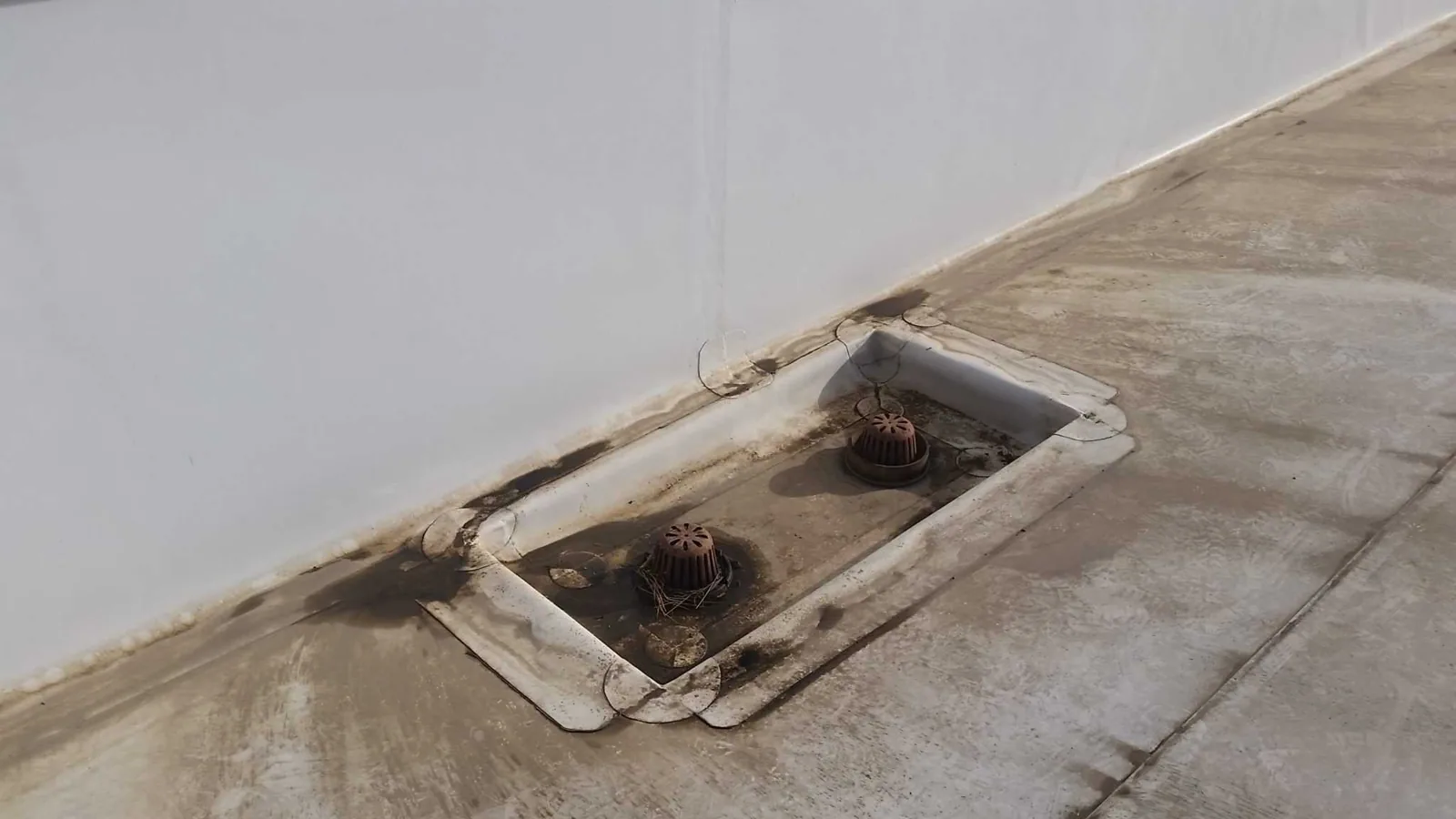
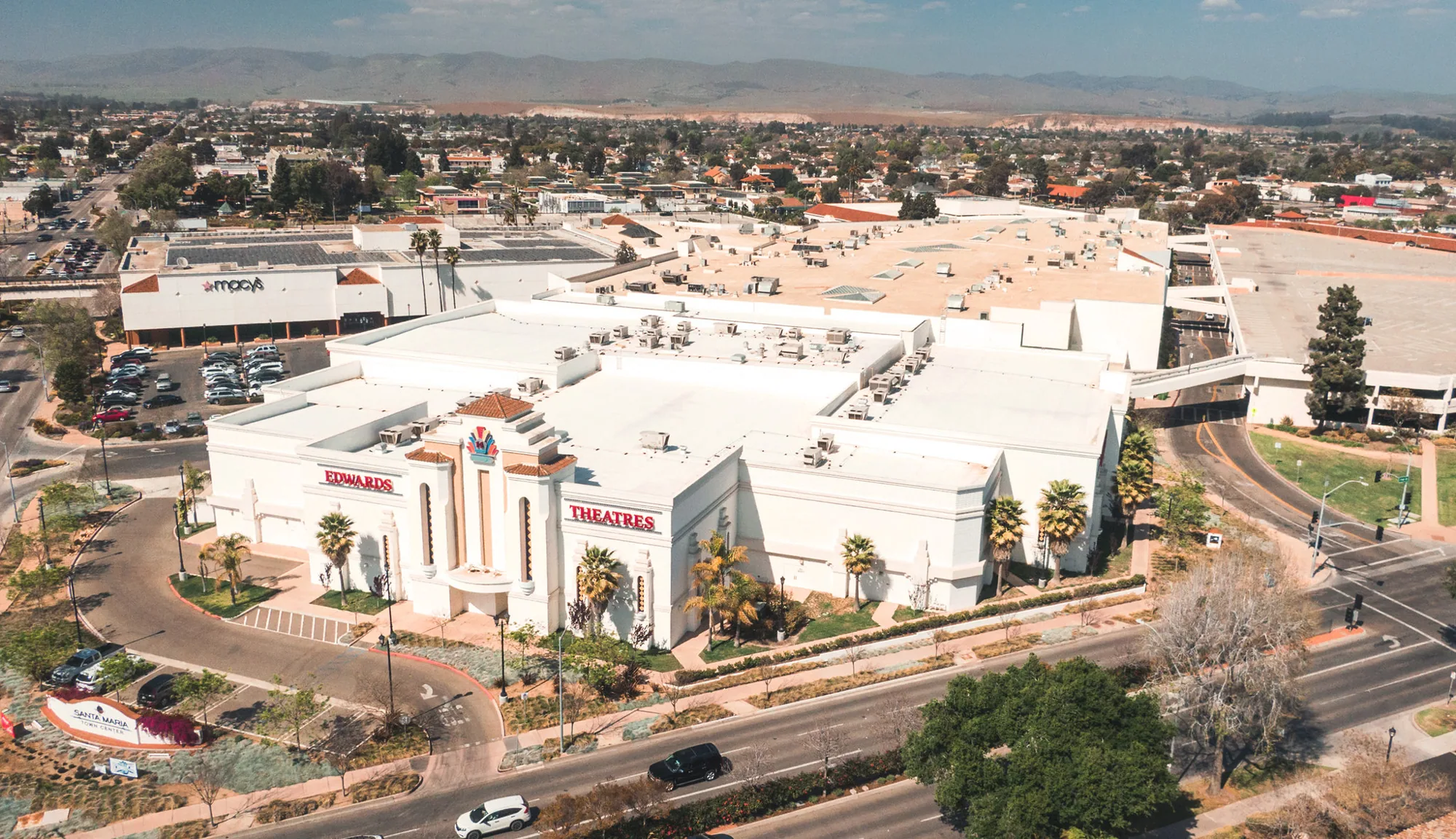
A blistered membrane beside a rooftop unit may show heat exposure, but the roof condition can extend beyond the visible mark. We wait until the property is released for roofing access, then check burned material, smoke residue, water used during response and the layers beneath the surface. The first repair boundary identifies what can be safely inspected, what needs temporary protection and which areas require an opening before a permanent scope can be priced.
For a commercial property in Santa Maria, our report separates observed roof damage from building or equipment conditions assigned to other trades. We photograph the affected zone, record access limits and trace nearby drains, seams and curbs that may have been exposed to heat or water. A emergency roof response can protect an opening after access is authorized, with permanent repair documented as a separate step.
Release: confirm the roof can be entered
Roofing inspection begins after the responsible authority releases the area and the route is safe. We confirm that damaged ceilings, unstable equipment, hot surfaces, smoke, electrical hazards and overhead work do not prevent inspection. A roof that can be seen from a ladder may still have a restricted zone around it. We mark the accessible limit and stay outside areas that have not been released.
If only part of the roof is accessible, we document that boundary and protect openings we can reach without disturbing the scene. We coordinate with the property contact, restoration contractor and adjuster when their work overlaps. Permanent material is not installed over an area that still needs documentation or another trade's inspection. The roof inspection records visible conditions and areas that remain unavailable.
Damage map: follow heat, smoke and response water
We examine the membrane for scorching, shrinkage, blistering, softened seams, holes and loss of attachment. Smoke residue can affect cleaning and bonding, while water from suppression may have entered through an opening or traveled to a lower point. We inspect parapets, curbs, penetrations and drainage paths around the reported location, then compare roof findings with interior reports. A stained ceiling may show where water collected rather than where it entered, so both sides of the assembly matter.
Where residue or burn damage makes a surface unsuitable for a reliable repair, we identify the removal area and the condition of cover board, insulation and deck. A test opening may show whether damage continues below the membrane. We photograph exposed layers, record moisture and protect the opening while the scope is reviewed. If heat opened a lap, a seam repair can be included after the surrounding material is confirmed sound.
Building context: plan the work for the actual use
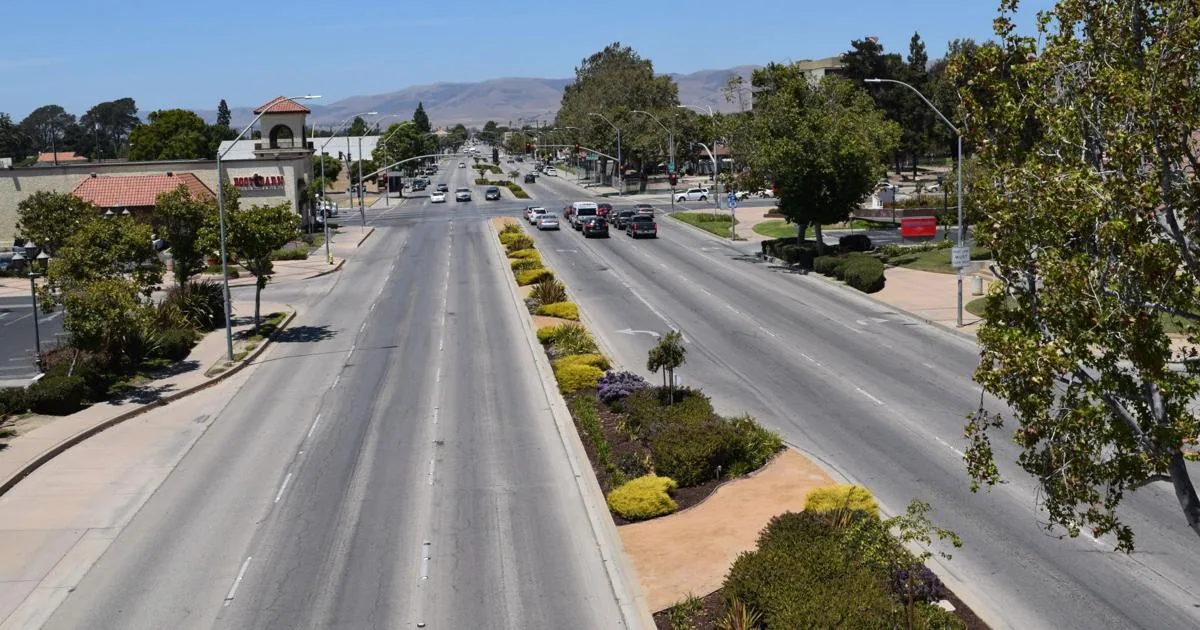
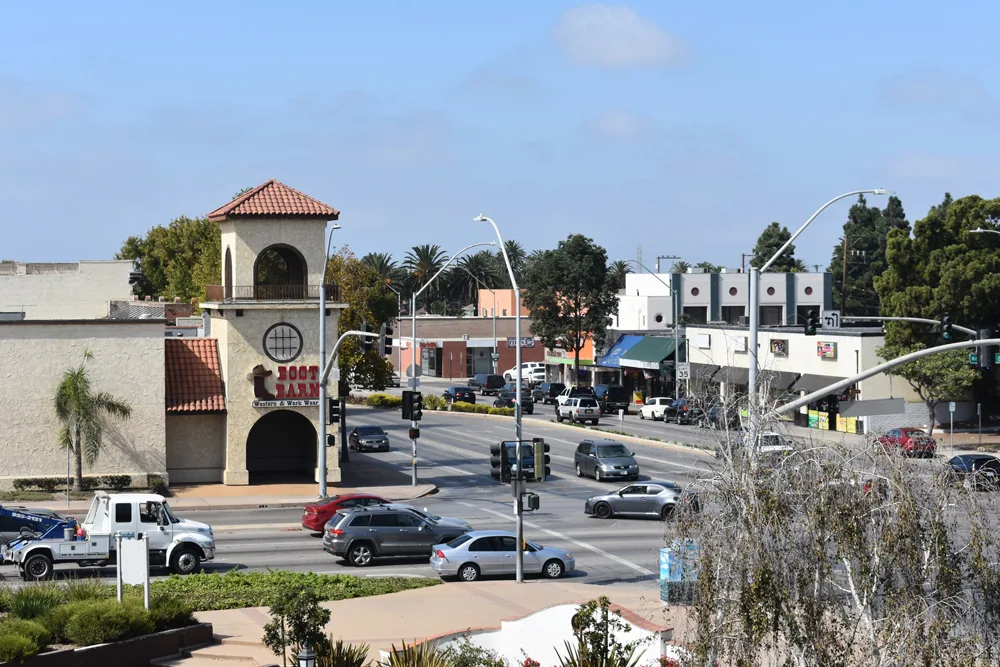
Area 9 includes planned manufacturing, warehouse, equipment-repair and agricultural-processing uses. Downtown Santa Maria's plan allows retail, food, service, hotel and public uses. At the building, we confirm the use, access route, and restrictions with its representative before setting the response sequence. We confirm tenants, storage, production lines and services with the manager, then plan roof entry, staging and interior protection.
Santa Maria Airport Business Park planning allows airport service, research, light manufacturing and offices. The work can depend on electrical isolation, HVAC shutdown, drying equipment or a restoration crew below. We list those dependencies instead of assigning the whole recovery to roof labor. The manager confirms loading access and any hot-work, odor or noise restriction before mobilization.
Repair options: replace what heat or water compromised
A localized burn through an otherwise sound assembly may allow removal of the damaged section, replacement of affected insulation and a compatible membrane patch. When heat has softened a broader field or multiple seams, isolated patches may leave material that cannot accept a dependable tie-in. We compare a defined repair, section replacement or reroofing based on exposed area and substrate condition. The proposal states how much roof will be opened and what approval is needed if hidden damage continues.
Different materials need different repair methods. TPO or PVC can take a compatible welded patch on a clean, sound field. EPDM, modified bitumen and metal use other preparation and tie-in details. Smoke residue must be removed without spreading it into clean areas or leaving a surface that will not bond. Our TPO repair and EPDM repair follow the installed assembly. A puncture repair may address a separate hole from falling material or equipment, but the fire-related boundary remains identified on its own.
Temporary protection: keep the opening and drains controlled
If rain could enter before permanent work is ready, we can install a temporary cover after the area is released. We secure it without trapping water, covering an open drain or hiding a detail that still needs inspection. The record identifies its limits and return work. Water used during response may remain in low areas or wet insulation, so we check the substrate before applying primer or adhesive.
NOAA's KSMX record averages 62.4 heavy-fog days a year; before bonding or coating, we test the roof surface and substrate at the work area. We inspect the actual surface and follow material requirements. A drainage inspection can check outlets where response water or debris collected.
Documentation: separate observed damage from open questions
The closeout records roof areas inspected, photographs, material removed, repair preparation and the completed tie-in. We distinguish visible heat or impact damage from areas that could not be reached or checked without a test opening. If insulation or deck remains wet, we record its location and recommend the next investigation. That gives the owner, adjuster and restoration team a common roof record while keeping each trade's work boundary clear.
For an insurance review, we can organize dated roof photos, a marked plan, the work scope and the repair sequence. The owner or authority supplies event and policy records. Santa Maria requires a permit and pre-roof inspection before a new covering is applied; we confirm whether that review applies when restoration reaches reroofing rather than maintenance repair. A claim documentation package can present roof findings and proposed work without treating an uninspected area as a confirmed loss.
Restoration sequence: coordinate each return visit
Fire recovery often moves through cleanup, drying, electrical or mechanical review, and roof restoration in separate steps. We coordinate the roofing visit around those releases and identify the protection needed between trades. If temporary material must be removed for another inspection, we plan how the roof will remain dry afterward. The schedule identifies who must be present, which area is available and whether the tie-in can finish in one visit.
Near the Area 9 plan area, warehouse and equipment-service access may differ from a retail property downtown, but we confirm each building's own route and restrictions. The owner receives a repair list with completed work, open conditions and the decision needed to continue. If more membrane damage appears after cleaning, we photograph the new boundary and obtain approval before expanding the permanent repair. The next visit can then start with a clear scope rather than an assumption that the entire roof was ready.
Commercial Roofing Questions
When can a roofer inspect a building after a fire?
We begin once the responsible incident or property authority releases the roof area and the access route is safe for the planned work. The property contact confirms any electrical, equipment or restoration restriction. We document sections we cannot enter and return after those limits are cleared.
Does smoke residue mean the roof membrane needs replacement?
Residue alone does not determine the scope. We check whether cleaning leaves a surface that can accept a compatible repair and whether heat changed the membrane or seam. If testing or opening is needed, we show that step separately before pricing replacement material.
How do you account for water used to put out the fire?
We inspect low areas, drains, seams and any exposed insulation for retained water or entry paths. The report distinguishes visible water from concealed wet layers that require a test opening or moisture survey. Drying and roofing work are scheduled in the order that protects the assembly.
What if the deck is damaged below the membrane?
We stop at the approved opening, photograph the exposed layers and describe the condition. Deck replacement or structural work may need another trade and additional approval. The roof scope identifies how the area is protected until that work and the final membrane tie-in can proceed.
Plan the next roof visit
Tell us about the building and what you are seeing on the roof. Request a roof assessment and we will set up a time to look at it.