
Commercial Skylight and Roof Penetration Flashing in Santa Maria, CA
Request a flashing inspection
Send the roof type, unit or penetration location and any interior photos. We will inspect the curb and adjacent field, then define a compatible flashing repair and any separate trade coordination.
Request a roof assessment or call 555-555-5555.
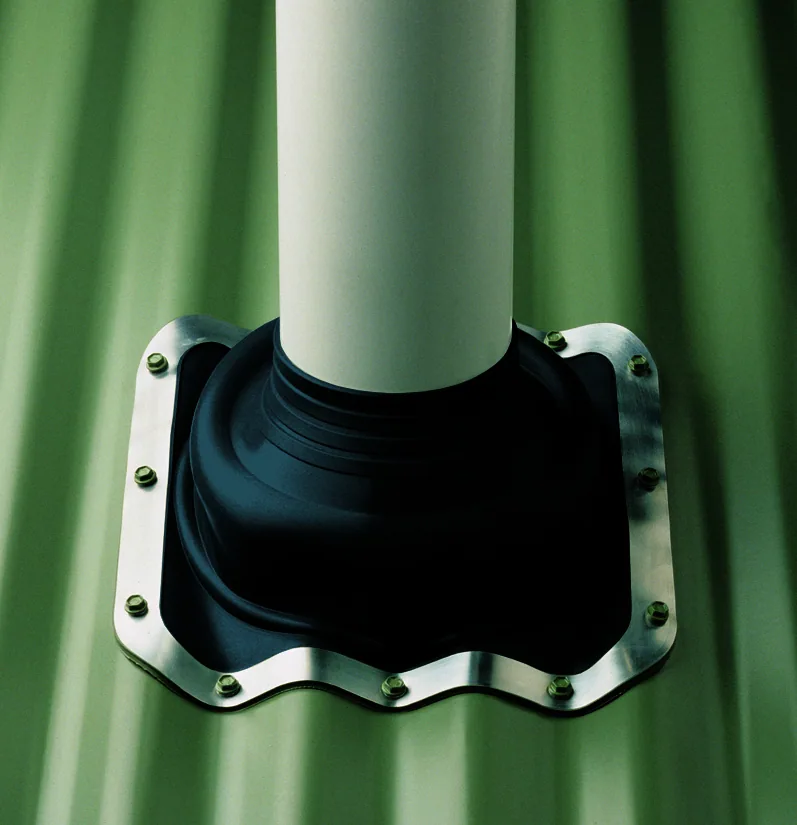
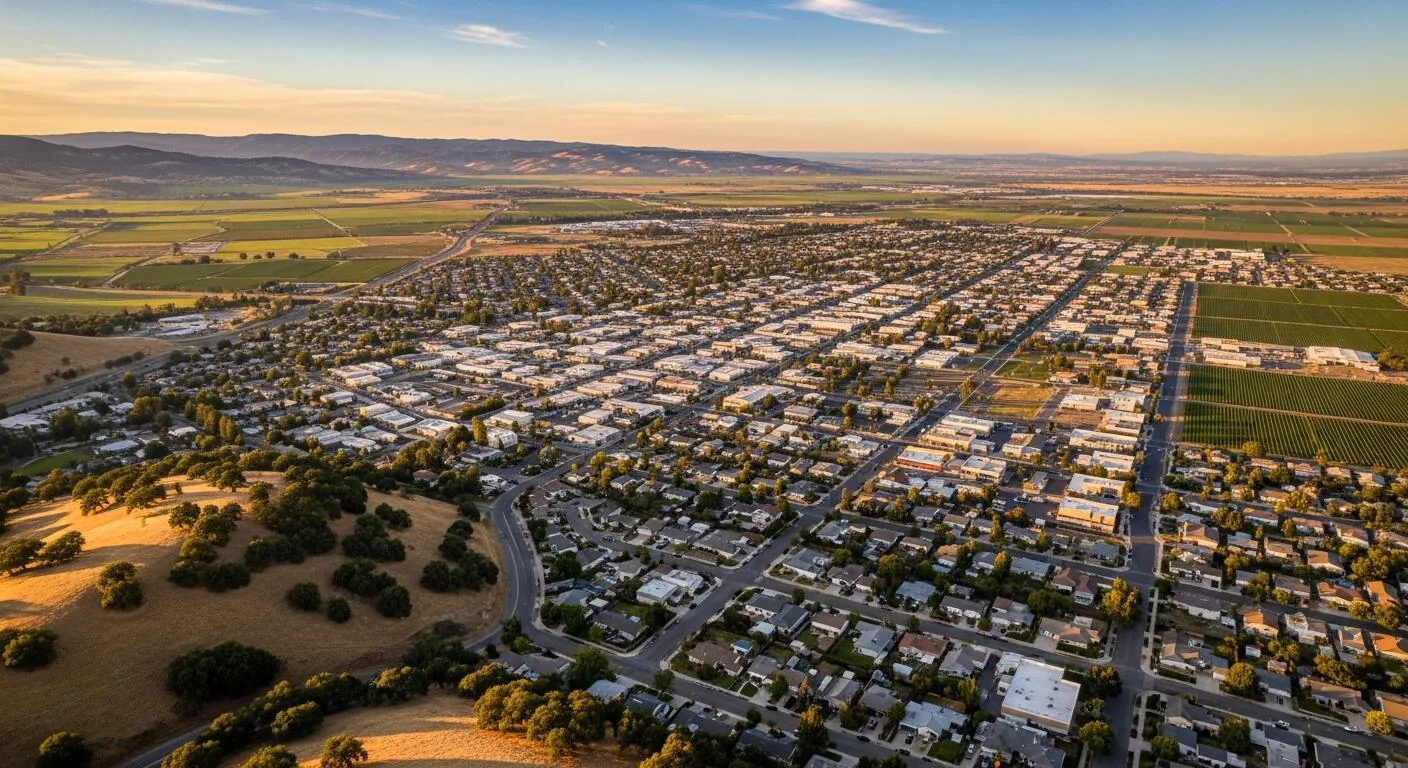


A skylight or rooftop penetration interrupts the roof surface, so its curb, flashing and membrane transition need to work as one detail. We inspect the perimeter, fasteners, sealant, nearby seams and interior symptoms, then map what can be repaired without opening the assembly. The property manager receives a defined repair boundary and any question that requires a test opening or product identification. Santa Maria’s varied commercial building types include industrial, office, retail and institutional uses, but a citywide profile does not tell us the curb design on a specific roof. We confirm the actual unit, access route and occupant restrictions. The leak tracing visit can determine whether water is entering at the penetration or travelling from another roof detail.
Inspect each side of the curb
We look at the curb height, corner seams, membrane upturn, counterflashing and any metal cap that directs water away from the opening. On a low curb, water or debris may collect against the flashing; on a curb with loose metal, wind can move a corner without visible damage inside. A repair begins by identifying the roof assembly and whether the existing flashing can be safely tied into. Sealant is not a substitute for a missing lap, cracked curb or loose fastener. If the skylight frame itself is damaged, we identify the boundary between roofing and glazing work so the owner can engage the right trade. The repair scope names roofing tasks only. We photograph every side and show the surrounding roof area so a future visit can compare the same corners.
Separate pipes, conduits and equipment supports
Small pipes, conduit stands, exhaust curbs and equipment rails each create a different roof opening. We count the penetrations in the affected zone, identify their support method and inspect flashing boots, sealant, pitch pockets or metal collars. A crowded cluster may need coordinated work rather than one patch at a time. We ask whether another contractor recently installed or moved equipment, then compare the timing with the reported leak. Where the support is loose or the equipment is still vibrating, the roofing repair cannot address the underlying movement by itself. The equipment curb review can coordinate rooftop trades; a TPO membrane detail requires compatible flashing and attachment. We record each penetration by roof grid and identify any item that could not be inspected because equipment blocked access.
Trace water before changing the flashing
Interior staining may sit below the penetration, but water can travel along a deck, insulation joint or seam before it appears. We compare the interior location with the roof slope and adjacent transitions, then check whether a second opening could be involved. If the path stays concealed, the manager can authorize a limited test opening with a specific question, protection method and repair plan. We do not cut the roof without approval. Any wet insulation or deck condition is documented separately from a visible flashing split. A local climate report cannot determine the cause; the field observation matters. The inspection record can map multiple roof zones when the leak history is unclear, while an infrared survey may identify areas for follow-up rather than prove moisture on its own.
Protect occupied rooms and equipment
Skylights can create a fall hazard, and a repair may require temporary barriers or a marked exclusion area. We agree on roof access, approved fall-protection tie-off use, equipment shutdowns and any interior protection with the property contact before work begins. The crew does not move a skylight, disconnect a fan or enter a restricted space unless that task is included and authorized. If a tenant operates below the work area, the manager can set a quiet or access window and notify staff. Santa Maria’s Airport Business Park planning materials include laboratories, office and manufacturing uses as planned or allowed employment activities. Those descriptions remind us to ask about operations; they do not establish what a given building does. Highway 101 and Broadway provide regional access, but staging and arrival rules are property-specific.
A skylight repair plan should account for both the roof opening and the fall exposure around it. We identify whether the unit is translucent, operable or part of a smoke-control assembly, then ask management whether an alarm or building system could respond to work. The roofing crew protects the opening and keeps tools or loose material from falling through. Interior occupants should be notified before the work area is opened, even when the roof surface can be reached from a hatch. If removal of the unit is needed, the scope states who supplies replacement glazing, who disconnects any wiring and who is responsible for temporary weather protection. We do not classify a leaking frame as a membrane defect until the roof-to-curb transition has been checked. A contractor handoff should include unit dimensions, curb photos and roof-system information so the replacement detail can be prepared before the opening is exposed. The manager approves any penetration that will remain open overnight and the weather plan for that interval..
Select material after identifying the existing roof
Flashing replacement should match the roof system, curb material and expected movement. A single-ply membrane may need a welded or bonded transition; metal roofs may require a formed collar or compatible panel detail; asphaltic systems may use reinforced flashing. We confirm that cleaners, primers, sealants and membranes are compatible before application. If the existing roof has multiple layers or the penetration changes roof height, the proposal should say whether removal or an approved recover detail is included. For reroof work, the local process includes permit issuance and a City inspection with written sign-off before installation. A service repair at one penetration may not trigger the same scope as a reroof, so the owner should confirm requirements with the building official. The recover assessment examines finished elevations and flashing height.
Record the repair boundary
The completion record shows the penetration, curb sides repaired, material used and any adjacent defect left for later work. We photograph the finished transition and record whether the roof surface was dry and suitable for bonding. If the frame, glazing or equipment support requires another contractor, that open item stays visible rather than being described as complete. Future inspections can compare movement, sealant and membrane condition at the same grid location. Santa Maria’s planning areas have distinct local standards, so the property manager confirms any access or tenant coordination that continues after the repair. The roof condition record can carry the detail forward. For sites in the Airport Business Park or Downtown Santa Maria, the actual building contact still approves access, staging and work hours.
Before leaving, the foreman confirms the unit is secure, the roof opening is closed and any interior protection has been removed or returned to the building contact. The record identifies who should call if staining continues after the next rain.
Commercial Roofing Questions
Can a skylight leak be repaired from the roof?
Sometimes. A loose curb flashing or failed transition may be repairable, while damaged glazing, frame movement or concealed water entry can require a different trade or an authorized opening.
Do you replace skylights?
We can inspect the curb and roof tie-in and define the roofing work. Skylight unit replacement may require a glazing contractor and a separate scope.
Will sealant stop a leak around a pipe?
Sealant alone may not correct a failed boot, loose support or incompatible material. We identify the penetration and roof type before selecting a repair detail.
Can equipment remain running during flashing work?
It depends on the equipment, access and safe work plan. The owner or operating contact decides whether shutdown or escort is needed before scheduling.
Plan the next roof visit
Tell us about the building and what you are seeing on the roof. Request a roof assessment and we will set up a time to look at it.