Commercial Roofing in Guadalupe, CA
Book a Guadalupe roof inspection
Share the property identifier, reported roof concern, access limits, and available plans. We will inspect the agreed zone, document terminations and drainage, and outline the repair boundary and schedule requirements.
Request a roof assessment or call 555-555-5555.
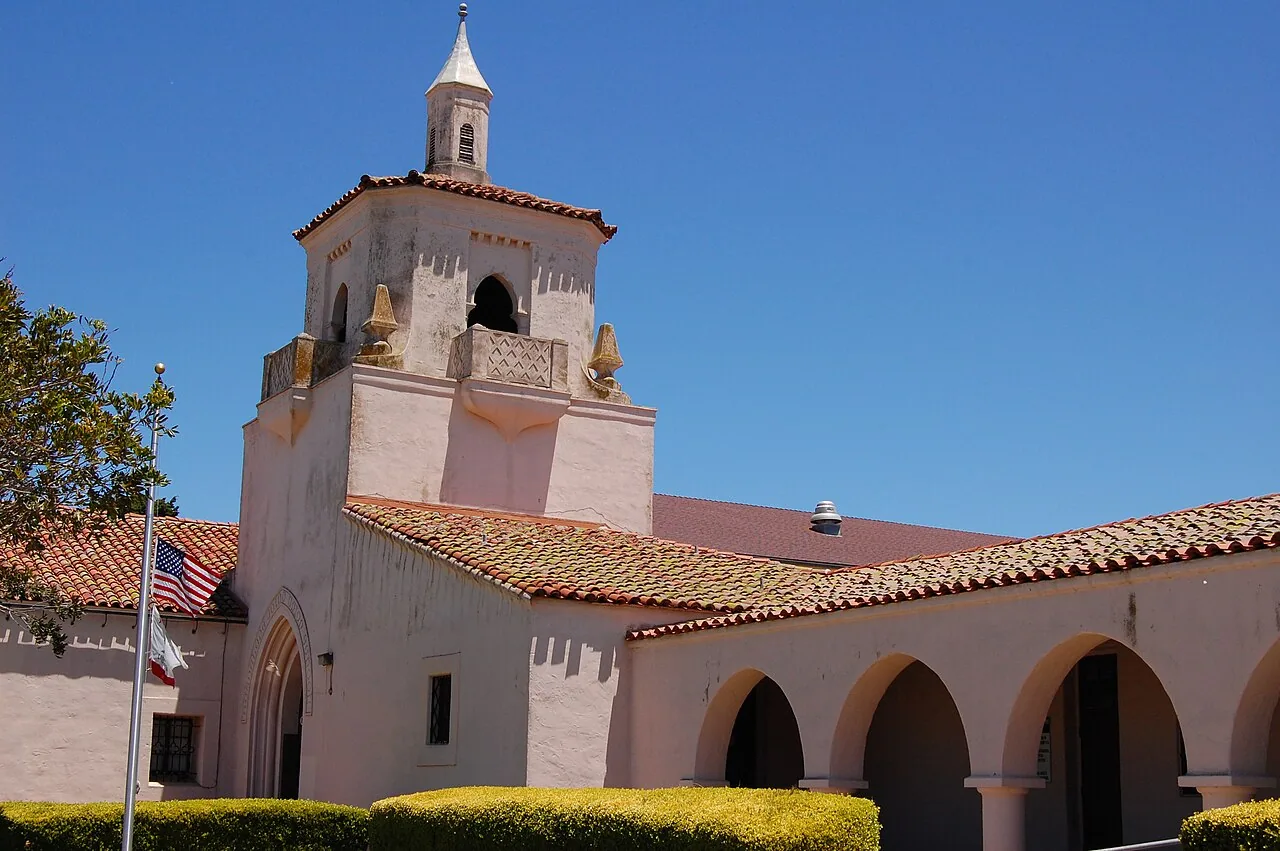
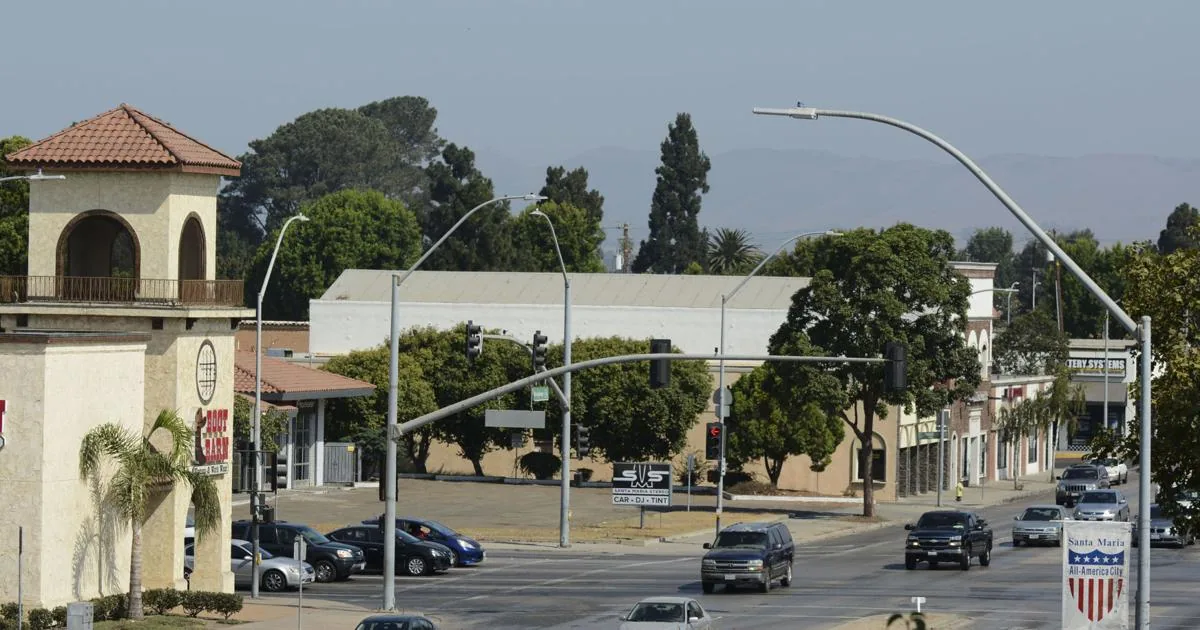
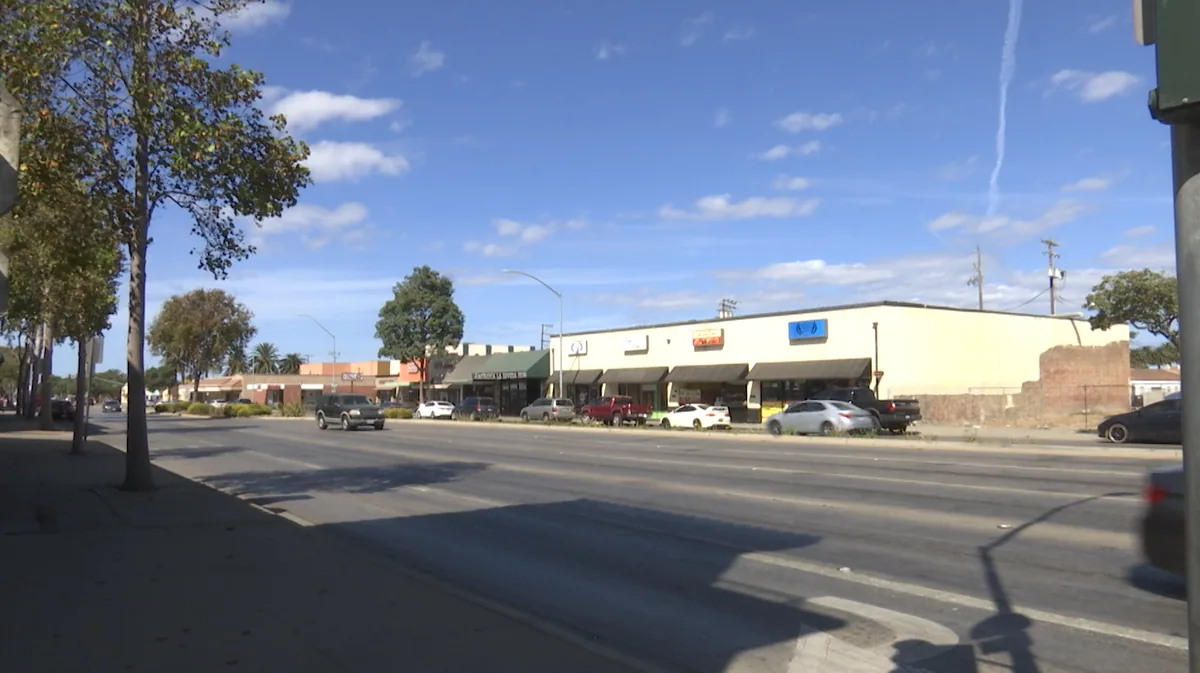
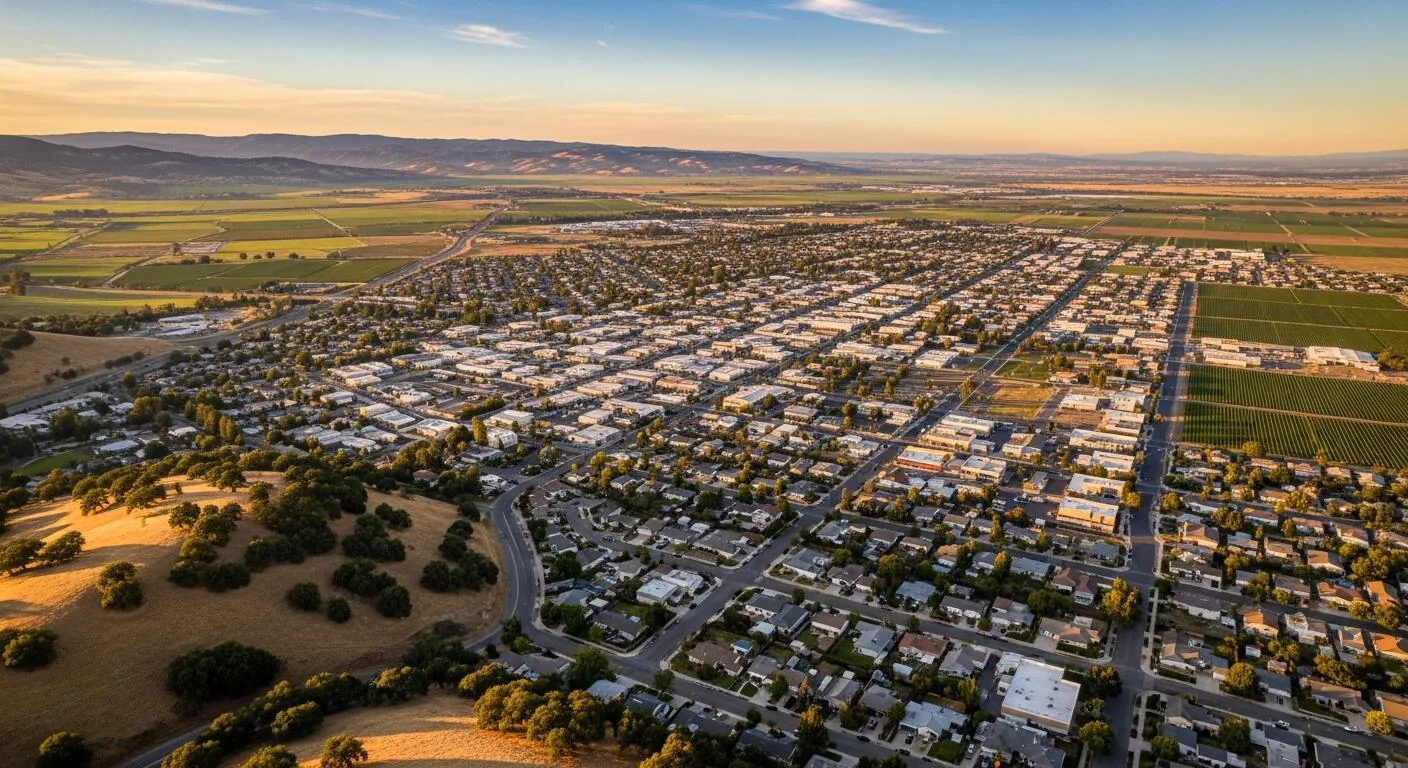
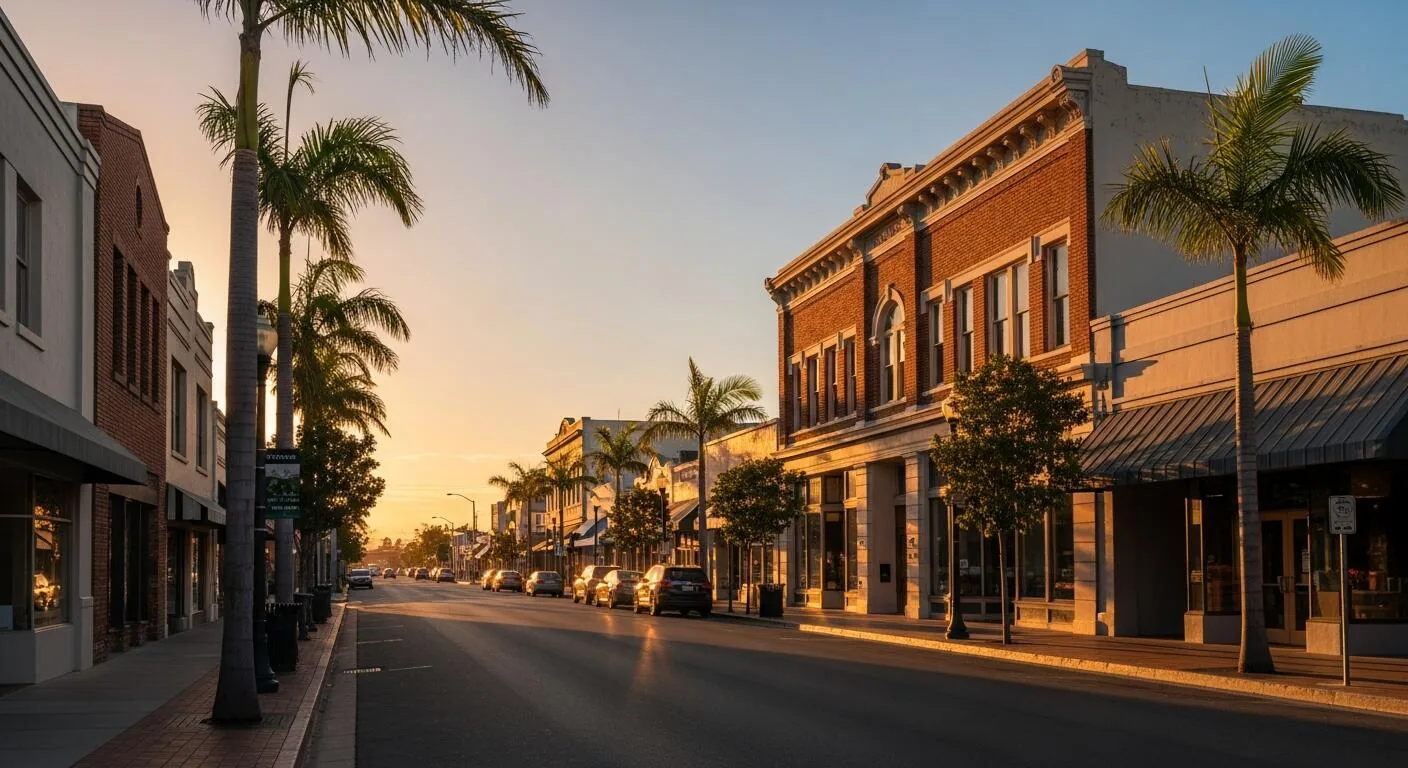
A lap that turns into a wall termination needs a close look where the membrane changes direction. In Guadalupe, we identify the roof section, trace that turn, and note any water path toward the interior before choosing repair work. The City's General Plan places commercial uses chiefly along Guadalupe Street and Highway 1, with industrial land near the center by the railroad. Those land-use patterns identify the town's business context; they do not establish the assembly on an individual building.
Guadalupe's Central Business District is described as about seven city blocks between Pioneer and Olivera Streets, bounded by Eleventh and Seventh. A walk in that area can involve several adjoining roof edges or access points, so we confirm the exact property and limits with the manager first. The inspection records visible seams, wall transitions, drains, and rooftop penetrations by zone. That record helps separate a single repair from a condition that merits a wider look.
Business district: keep each roof tied to its address record
A town center can bring commercial and residential uses into the same district, but the plan does not say how a specific property is occupied. We ask who controls roof access, which areas below need protection, and whether equipment must stay running. The manager identifies the building and the roof areas included in the request. If several sections have different elevations or additions, we label them separately so photos and repair history stay attached to the right zone.
For a building beside a shared wall or an adjoining property, the roof walk should establish where each assembly starts and stops. We note edge metal, parapet height, flashing terminations, and any transition that crosses a property line or changes materials. If a tenant improvement altered one section, we compare the visible tie-in with available records instead of assuming the older roof continues beneath it. A commercial office roof review can help structure that inspection when the building use supports it.
Water path: follow the termination before opening the scope
At a reported interior mark, we inspect the nearest membrane laps, wall transitions, curbs, and drain paths. Water can travel under a sheet or along a deck before appearing inside, so the ceiling location alone does not establish the roof entry point. We photograph the suspected detail and the larger roof zone, note moisture conditions, and identify any test that would clarify what sits below the visible surface. A clear distinction between observation and open question keeps the repair scope grounded.
The Santa Maria KSMX summary logged a highest daily maximum temperature of 101°F during 2023. That is a single station observation, not a Guadalupe temperature record or a typical-day measure. For roof work, the relevant field check is the actual surface and substrate before bonding, flashing, or coating. We record readiness at the work zone and match preparation to the selected material, especially where a prior sealant or patch has changed the surface.
Repair boundary: include the tie-in that makes it complete
A small opening can take a defined patch when the surrounding membrane is secure and the repair can bond to sound material. We identify what needs removal, the preparation method, the replacement or flashing material, and the edge that will be inspected at closeout. If the sheet has lifted beyond the visible defect or the substrate is soft, we mark the wider area and explain what testing would change the work boundary. A cosmetic seal at the top does not resolve a weak layer underneath.
We respond to urgent roof leaks at any hour, including weekends and holidays. The immediate step is to protect the space below and install a temporary dry-in that fits the opening. Permanent repair follows when the surface is ready and the damaged assembly edge can be established. A commercial emergency response can address the active opening; a ponding-water repair review can document a separate drainage issue. If a wider condition remains uncertain, a roof condition report can preserve readings, photos, and decisions by zone.
Work order: coordinate access with nearby activity
Before materials arrive, we confirm where the crew can stage, which entrances remain open, and who can authorize a pause if hidden damage appears. Work near a business entrance may require a planned path for customers or deliveries, while an industrial roof can have different access and equipment limits. We use the property manager's actual schedule to set a work window, protect the interior, and keep drains open. If the crew must leave an opening before a repair is complete, the dry-in and return plan should be agreed in advance.
Santa Maria's weather-station figures can inform the regional context, but a workday decision comes from the roof itself. Damp surfaces, cool mornings, and earlier moisture can change when a specified adhesive or coating is ready to apply. We check the substrate and product conditions at the point of work, then document any hold. That record tells the manager why the sequence moved and what needs to be true before the crew resumes.
Roof file: leave the next manager a usable comparison
Closeout should show the property, roof zone, repair edge, material, photographs, and any remaining test or approval. We note whether water protection was temporary or permanent and identify sections that were inaccessible or outside the approved work. A future visit can use the same roof map and compare today's flashing or lap with the last documented condition. This keeps a closed work order from being mistaken for a broader inspection.
The General Plan places Guadalupe's business activity along Guadalupe Street and Highway 1, with industrial land near the railroad. That context can help a property team organize buildings by use, while each roof retains its own condition record. Owners who coordinate other regional sites can keep the Orcutt property file and South Blosser processing-area record distinct from a Guadalupe scope. Share available roof plans, leak history, access limits, and the person who can approve testing. We will walk the agreed area and document the repair options that fit what is visible.
Commercial Roofing Questions
What should a Guadalupe property manager include in a roof request?
Give us the property identifier, reported leak location, available plans, earlier repair notes, and the contact who can release roof access. Mention shared walls, tenant hours, and rooftop equipment that stays in service. We confirm which zones are included and record any area the first visit cannot reach.
Does a leak near a shared wall mean the wall flashing failed?
The interior mark does not prove that detail is the entry point. We inspect the wall termination, adjoining laps, nearby curbs, and drain path, then compare those observations with the reported timing. If water may be moving under the membrane, we identify the moisture reading or test opening needed before expanding the repair.
Can you repair one section while businesses keep operating?
Access, interior protection, staging space, and the dry-in sequence determine what can happen during business hours. We agree on the roof route and work window with the manager, then identify any step that could require a temporary hold. The scope states how the crew will protect the area below an opening.
What makes a patch different from a coating?
A patch closes a defined defect with a compatible tie-in to the existing assembly. A coating renews a prepared surface over a broader area, but it cannot correct trapped moisture or an unstable substrate. We inspect the roof and state which preparation and testing are needed before either method can be priced.
How should the owner document roof work near Guadalupe Street?
Record the building, roof zone, visible detail, repair edge, material, and dated photographs. Keep access limits and any unresolved test with that file. The street and district context can organize the portfolio, but the roof record needs to describe the actual membrane and work completed on that property.
Plan the next roof visit
Tell us about the building and what you are seeing on the roof. Request a roof assessment and we will set up a time to look at it.