Holcim Elevate Commercial Roofing in Santa Maria, CA
Review a Holcim Elevate roof assembly
Arrange roof access and share prior Firestone or Holcim Elevate records, leak locations, and operating limits. We will inspect the membrane, edge details, drainage, and substrate evidence, then document a compatible repair or replacement scope before pricing.
Request a roof assessment or call 555-555-5555.
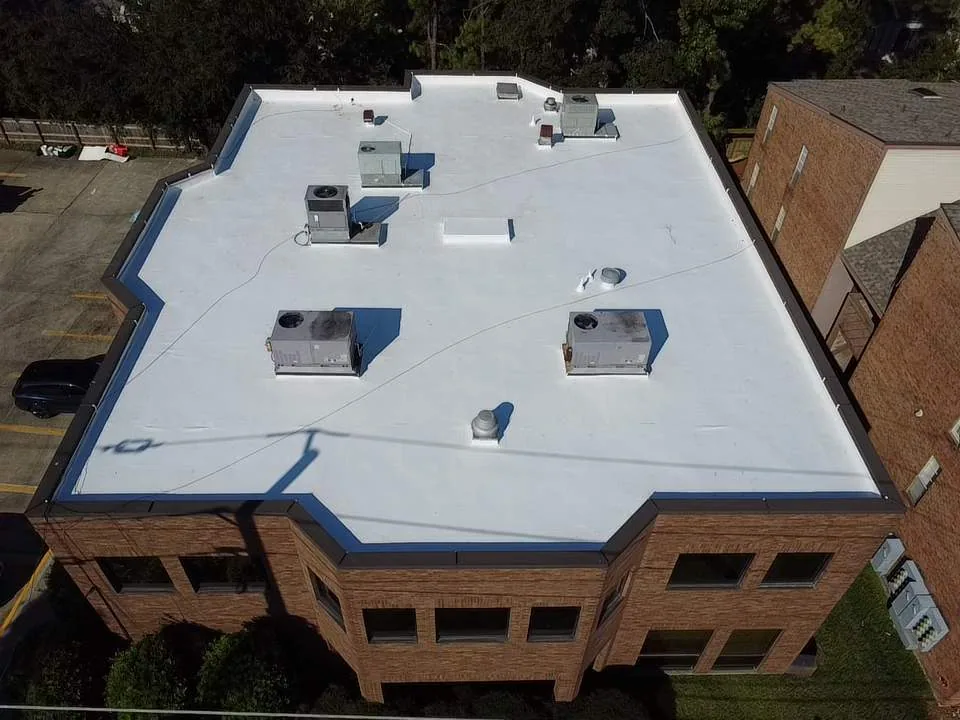
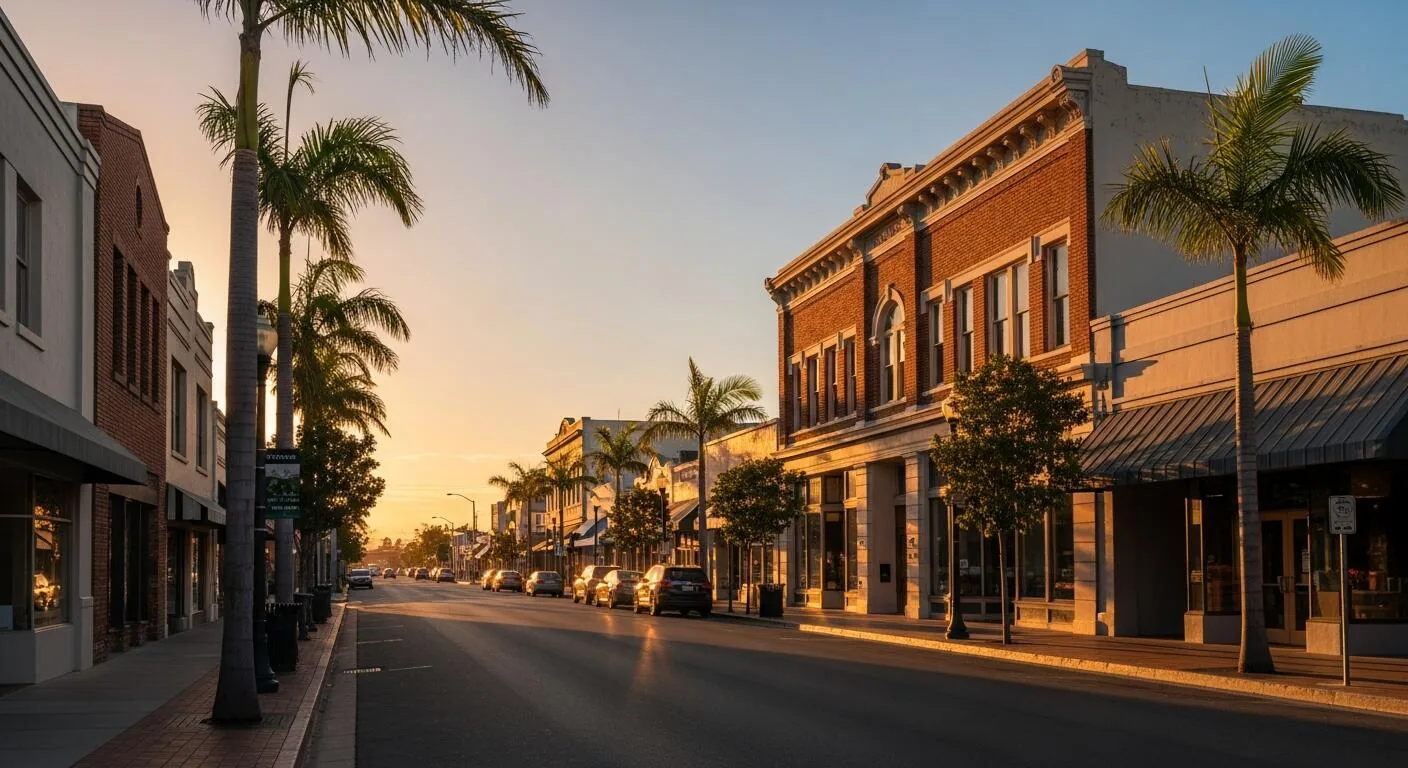
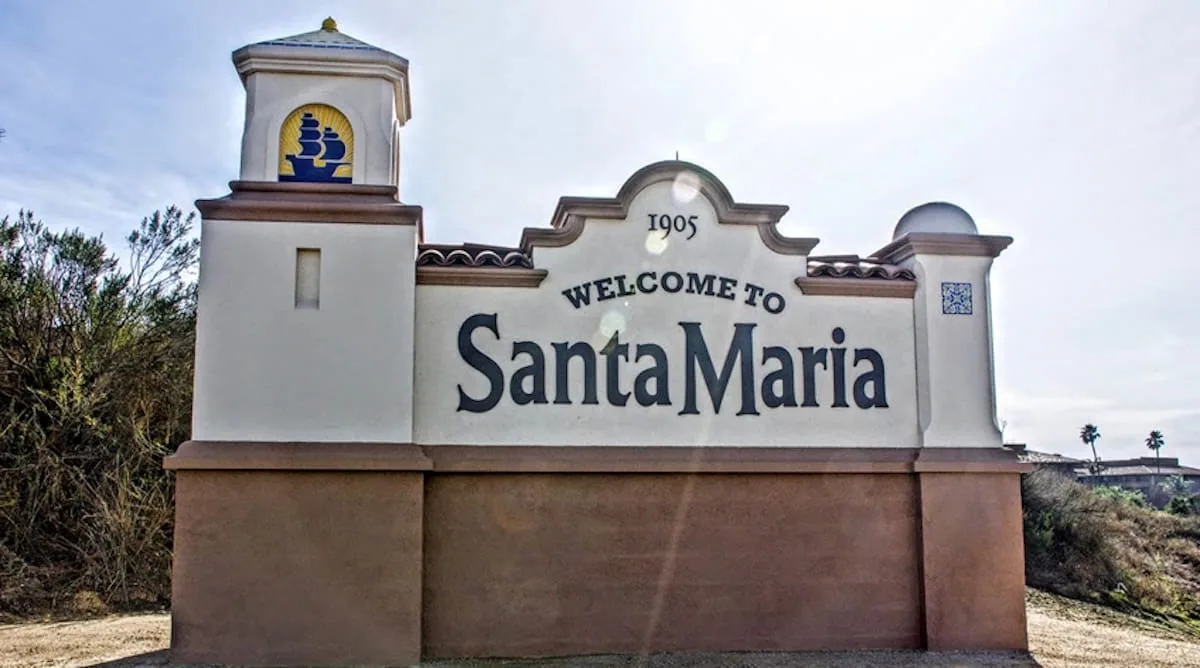
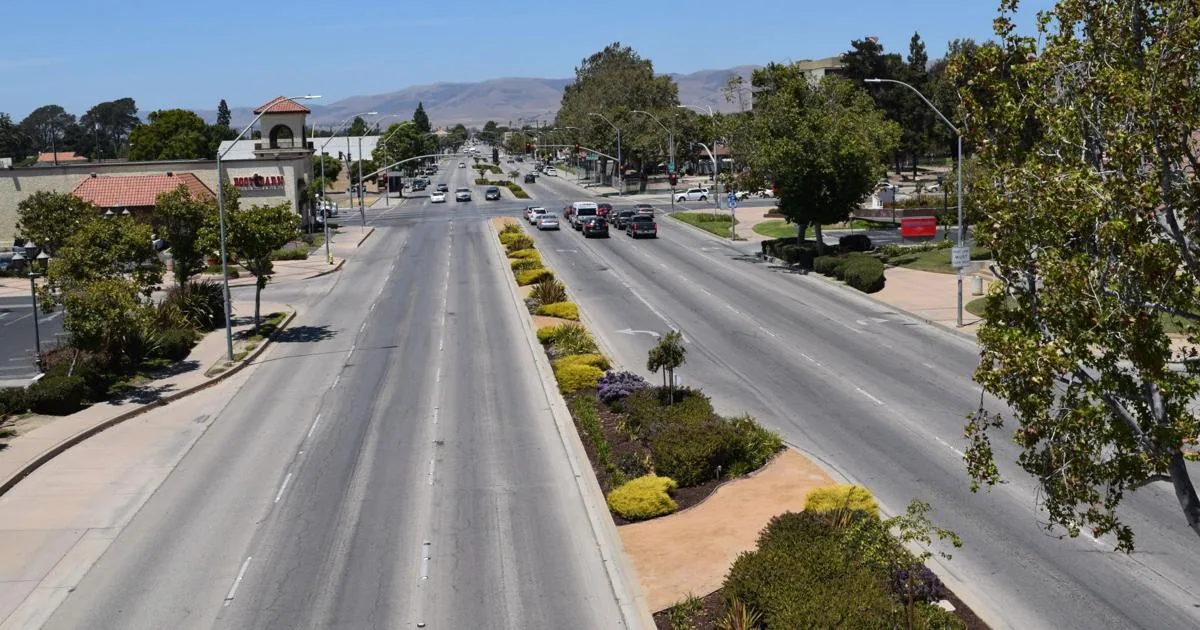
A retrofit transition can let a new sheet stop cleanly at the edge while an older termination remains loose beneath the metal. We inspect the tie-in, fastener line, and substrate before scoping a Holcim Elevate roof in Santa Maria, CA. The West Stowell Industrial Corridor supports manufacturing, storage, and repair uses, while the Santa Maria Airport Business Park plan sets a different mix of light industrial and research uses. Both contexts raise practical access questions, but neither establishes the membrane on a specific building.
Holcim Elevate, formerly Firestone Building Products, has commercial roofing products that include TPO and EPDM membranes and related components. The assembly can involve insulation, cover board, attachment, perimeter metal, and flashing details that must work together. We check records, exposed edges, and product markings to identify what is installed. If the name comes only from an old invoice, our notes say so, and we confirm the repair surface before selecting a compatible detail.
Inspection: trace the tie-in around the whole roof zone
A loose edge or split lap can feed water behind a sound-looking field sheet. We inspect the field, perimeter, wall turns, and penetrations that connect to the reported area, then test accessible seams and note moisture evidence. Around curbs, we check how membrane turns up and terminates, whether metal is secure, and whether later equipment work has disturbed the flashing. A report should distinguish the membrane defect from a moving support or a blocked drain.
The City describes a multi-property employment area at West Stowell, with freight rail nearby. Industrial and repair activity can mean active equipment routes below roof access points, so we identify lift, ladder, and staging limits before opening material. A roof inspection records observations and photographs, while a visit in the West Stowell corridor can be planned with the facility's access window. Where moisture is suspected beneath the membrane, we identify the test location before pricing a larger repair.
Materials: identify the Holcim Elevate membrane in place
Holcim Elevate systems include RubberGard EPDM and UltraPly TPO, which call for different preparation and seam methods. EPDM relies on compatible adhesives and seam products at its joints; TPO seams are heat-welded after the surfaces are prepared. We confirm the membrane type before ordering sheet, flashing, or repair products. A prior coating or patch can cover markings, so we compare available records with exposed edges and detail construction rather than identify a system by color alone.
We inspect attachment, cover board, insulation, deck, and perimeter conditions as far as safe access allows. A replacement specification should state the insulation layers, cover board, membrane attachment, and flashing approach, not just a top-sheet brand. A compatible EPDM assembly may fit one existing condition, while a TPO roof design may fit another. If PVC is being weighed against either system, the Carlisle SynTec product options can be reviewed with the same deck, edge, and drainage information.
Repair options: set limits before removing sheet
A localized repair suits a defect that ends at sound membrane with dry, stable material beyond it. We prepare the surface using the specified method, restore the lap or flashing, and inspect the termination before releasing the area. If several fastener rows move or moisture follows more than one seam, the work may need testing or a larger assembly review. The repair map shows the affected boundary and the adjacent area that remains outside the current scope.
Santa Maria code requires a permit before a new roof covering, and extensive ponding beyond 48 hours after rainfall calls for drainage analysis and corrective measures. We keep drainage correction distinct from membrane replacement when slope or outlet capacity contributes to the condition. A repair scope can address confirmed defects, while a recover or full removal must account for existing layers, deck, insulation, and new edge height. A roof condition report can organize the evidence and identify test cuts or permit holds before the owner approves the larger work.
Timing: keep moisture and dry-in on the schedule
NOAA's KSMX summary averages 62.4 heavy-fog days annually over its 42-year record. We measure the work area's surface and substrate because dampness can affect bonding and preparation. We check the actual membrane and substrate before applying specified materials, stage only what can be protected, and set a daily limit for removal. If the roof does not meet the product's conditions, that area remains closed or receives temporary protection until a suitable work window returns.
For an occupied building, the manager can identify deliveries, tenant routes, and equipment work that cannot shift. We then separate the active roof zone from completed areas, keep drains open, and coordinate any interior protection. The City plan describes light-industrial parcels and research uses near the airport, which can have different gate procedures and roof access routes. A phased replacement plan can sequence the work around these operating limits and keep the dry-in line ahead of the crew.
Maintenance: preserve evidence after service
After a repair, we photograph the restored seam, termination, and nearby equipment transitions, then update the roof map with product information and date. Later mechanical work can disturb a curb detail or leave abandoned fasteners in the field. The service record should identify what changed and who needs access for the next inspection. We also note any area that was not visible or tested so the next visit does not treat an unresolved question as completed work.
Rainwater and fog make drainage and surface condition worth recording on separate visits. We check strainers, overflow paths, patched details, and coating edges where present, then compare the result with earlier photographs. A GAF system or another brand may be part of a future replacement comparison, but the field map should first show the actual deck and repaired zones. For the current assembly, planned roof maintenance can revisit the specific details and preserve a workable access path around equipment and drains. We keep the roof map with service records, product data, and photographs of each finished termination. If an interior leak is reported later, the manager can compare the stain location with the mapped openings, repairs, and access route without treating a prior patch as proof that every nearby detail was renewed.
Commercial Roofing Questions
Does an old Firestone invoice confirm the current roof system?
It is useful evidence, but we compare it with exposed membrane, product markings, and repair details. Coatings or later overlays may conceal the original sheet. If those records disagree, we describe what remains uncertain and identify the inspection or test opening needed before ordering a compatible repair product.
Can a Holcim Elevate repair use membrane left from an earlier project?
Stored material may be considered only after we confirm its product, condition, and compatibility with the installed assembly. An exposed roll can age or become contaminated, and color alone does not prove it is suitable. We check the surface and test the repair setup before using it in a permanent detail.
What makes a roof recover unsuitable?
Wet insulation, unstable attachment, deck damage, existing layer limits, drainage concerns, or insufficient edge height can change the assembly choice. We review records and use test cuts where hidden conditions matter. The proposal then separates confirmed work from any repair that depends on an inspection finding.
How do you price a phased Holcim Elevate replacement?
We map roof zones, removal depth, insulation and edge work, equipment clearances, access, and dry-in limits. The sequence also includes permit and inspection holds. Each phase is tied to an area the crew can open, protect, and close, with changes recorded if concealed conditions require a revised scope.
Plan the next roof visit
Tell us about the building and what you are seeing on the roof. Request a roof assessment and we will set up a time to look at it.