
College and University Roofing in Santa Maria, CA
Schedule a campus roof walk
Share access windows, building schedules, and equipment constraints. We will inspect the seams, curbs, and drainage, then document repair limits and the dry-in sequence before pricing.
Request a roof assessment or call 555-555-5555.
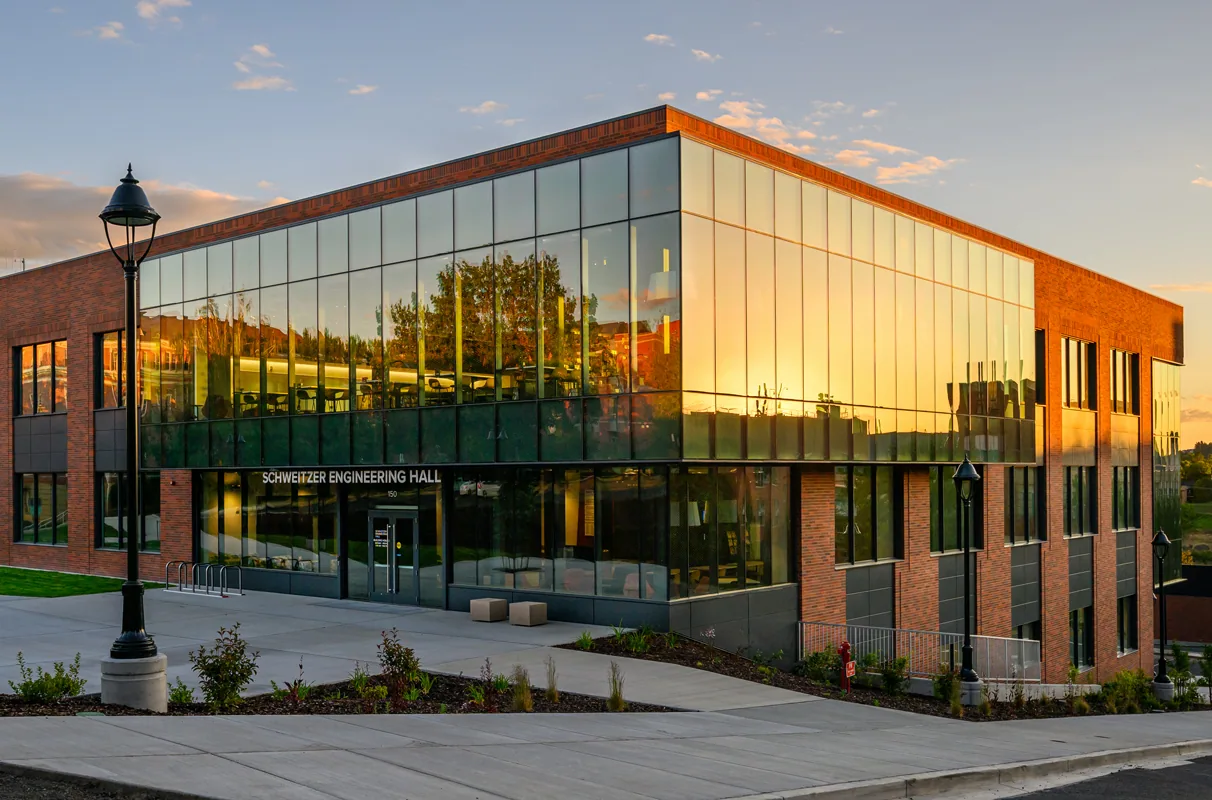
A long curb beside a lecture wing can decide whether a roof repair stays local or crosses into a larger work zone. In Santa Maria, CA, we trace the seam, curb flashing, drains, and equipment routes before setting the boundary for a college or university roof. The building's actual membrane and deck matter more than its campus label. We record visible conditions, note where a test could resolve uncertainty, and connect the scope to class activity and service access.
Academic buildings do not all follow one schedule. A library may stay open through a break, a lab may need continuous exhaust, and a classroom wing can have a narrow access window. We ask the facilities contact which spaces and systems must remain available, then mark lift paths, staging, and daily dry-in limits. That sequence helps the campus compare urgent stabilization with work that can wait for a defined shutdown or lower-occupancy period.
Roof walk: map the occupied zones
We start where water can change direction: a drain bowl, a parapet turn, a skylight curb, or the edge of a mechanical screen. Each transition is checked for open laps, loose flashing, incompatible sealant, and evidence that water has reached the substrate. Interior reports are matched to roof locations, but a ceiling mark alone cannot identify the entry point. The inspection record keeps observations and confirmed conditions separate.
On a larger academic building, roof areas may cross additions with different membranes or repair histories. We mark each zone, visible fasteners or welds, and access limits. Moisture readings guide review; a test cut confirms layers a surface walk cannot reach. The written report shows photographs, inspection limits, and repair boundaries the facilities team can revisit.
The KSMX archive lists an annual 62.4-day average for heavy fog across its period of record. For campus adhesion work, we check the scheduled building's substrate before setting the preparation and bonding window.
Repair limit: follow the assembly
A patch needs sound material beyond the opening, a dry substrate, and a transition that can be tied into the existing assembly. We remove loose material, prepare the surface, and detail the lap or curb with compatible components. If wet insulation continues beyond the visible damage, the repair boundary moves. We identify what the base scope includes and what would require a separate approval before concealed work is added.
Several leaks near one another can signal a repeated failure at a seam, drain, or equipment curb. We map those locations against the roof grid and compare prior repairs before treating them as separate calls. If an active leak reaches a classroom or lab, leak repair can stabilize the condition while a broader review is arranged. The proposal should say which areas remain in service and what findings would change the next step.
Several leaks near one another can signal a repeated failure at a seam, drain, or equipment curb. We map those locations against the roof grid and compare prior repairs before treating them as separate calls. If water reaches a classroom or lab, leak repair can stabilize the condition while a broader review is arranged. The proposal identifies which areas remain in service and what findings would change the next step.
System choice: carry details through transitions
A campus roof may combine single-ply membrane, modified bitumen, built-up layers, or metal across connected buildings. We identify the installed material before recommending repair or recover. TPO welds, PVC seams, and EPDM details need different preparation. A patch must meet the existing membrane without interrupting drainage. The PVC seam detail and modified-bitumen assembly call for different tie-ins.
Equipment supports, conduit stands, skylights, and roof hatches can put work above rooms that need power or ventilation. We identify who can isolate equipment and when the work area can be released. A moving curb or deteriorated flashing may need more than surface sealant. We record the attachment and flashing detail, then plan temporary protection below.
Santa Maria's economy spans education, health care, agriculture, manufacturing, and government. At an academic building, we confirm laboratory exhaust, service clearances, deliveries, and lift hours with the campus manager. A school roof plan or warehouse roof scope can share technical checks while keeping each schedule distinct.
Campus timing: set daily dry-in limits
Work moves by zones sized to the crew's protection capacity. We agree where material can be staged, which doors or walks stay open, and how debris reaches the ground without crossing active routes. A roof area is closed at the end of each shift, with drains kept clear and temporary edges secured. If an inspection is required before covering, the schedule includes time for the hold and any correction it identifies.
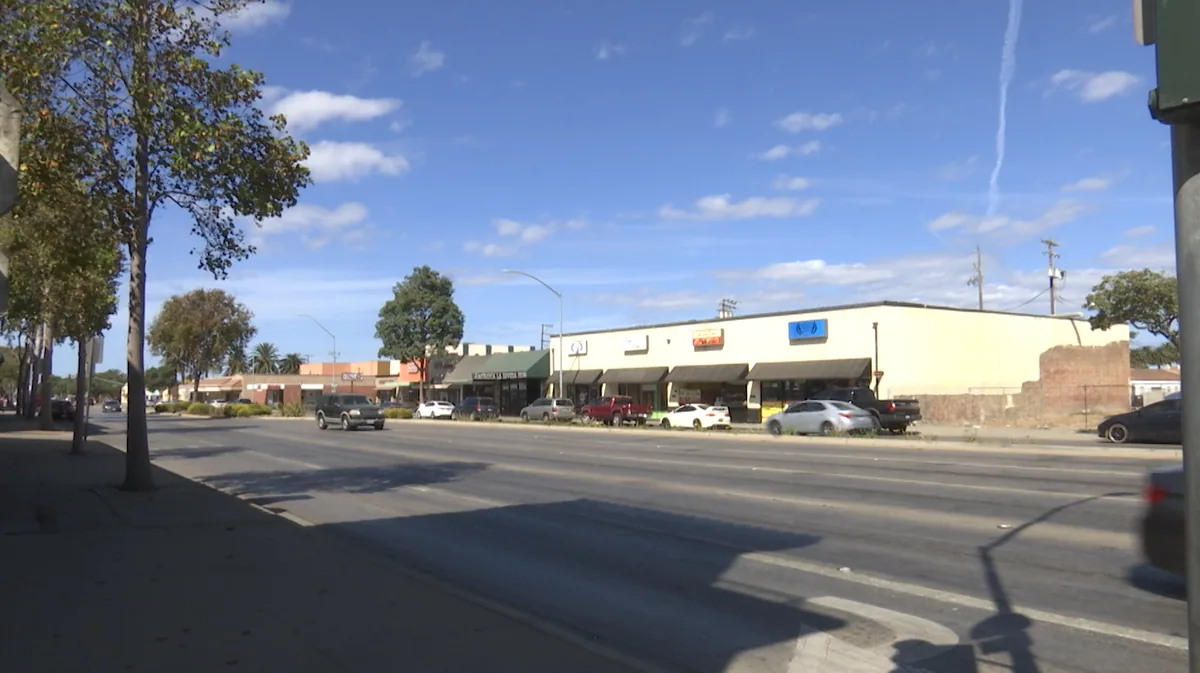
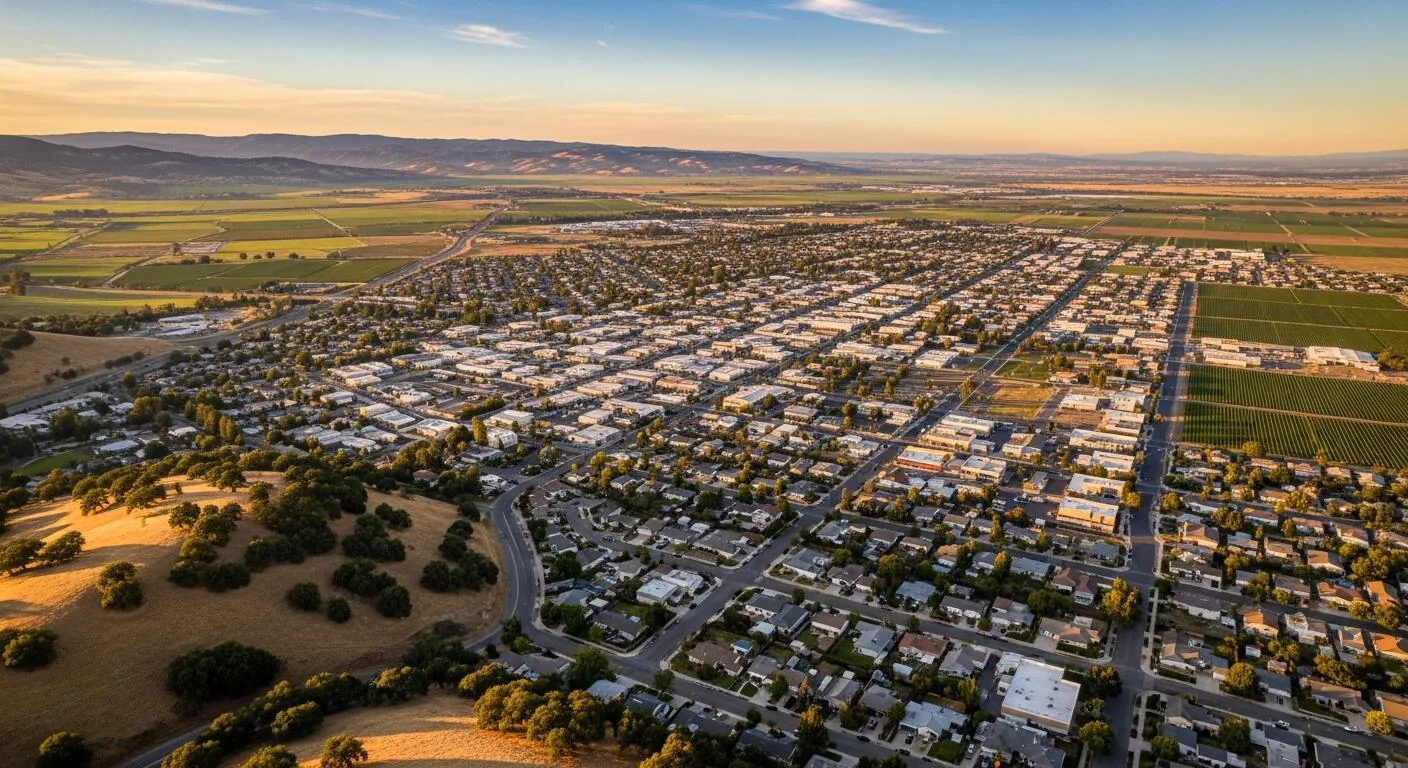
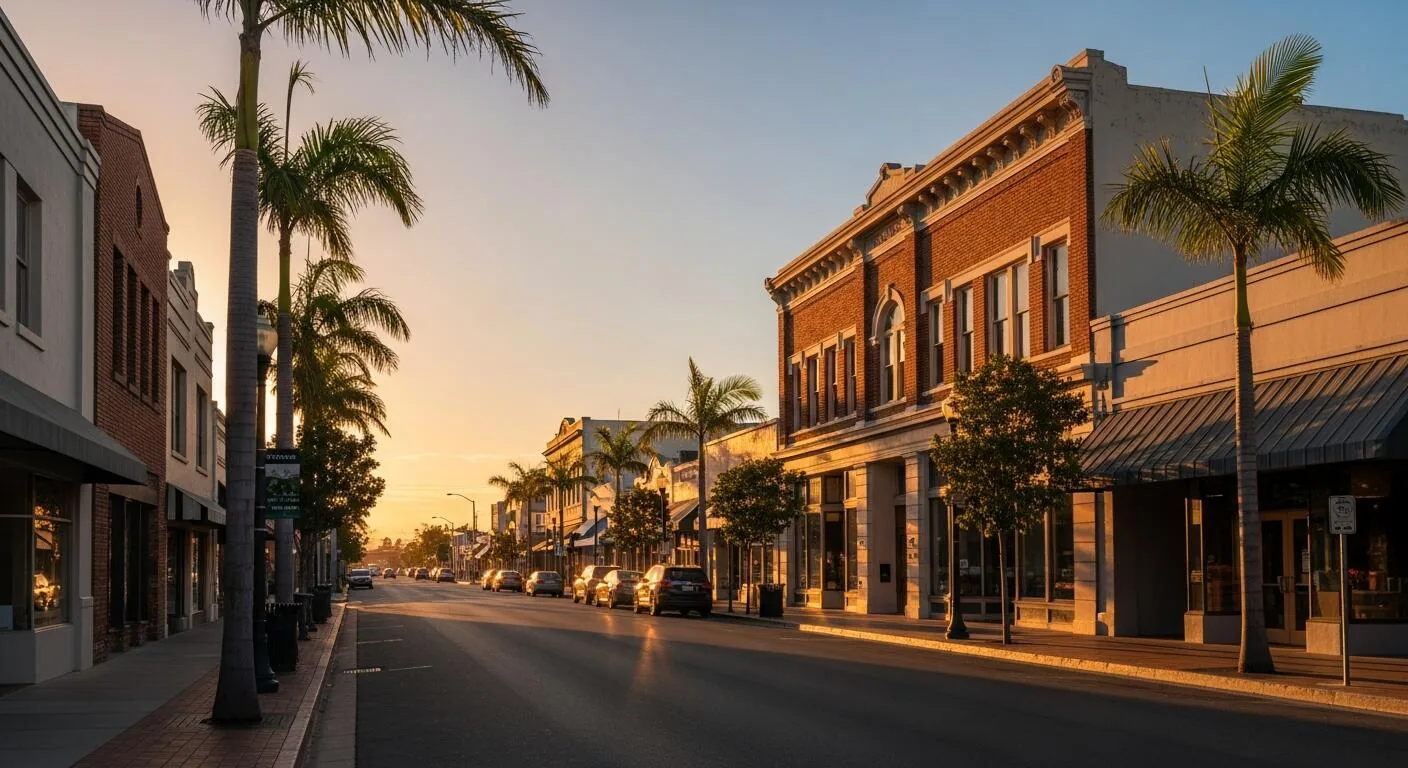
Downtown Santa Maria includes public and quasi-public uses alongside retail, food, hotel, and multifamily categories. Enos Ranchos combines school and retail uses with offices, auto-related commerce, parks, and housing. We use those different settings to frame access questions, then confirm the campus's own operating requirements. We plan lift and debris routes around pedestrian and delivery constraints. A Downtown Santa Maria roof review begins with approved work limits.
Budget and duration follow measured area, layers, deck repairs, edge and curb details, disposal, and required phasing. A proposal separates visible quantities from concealed conditions and lists approvals needed to expand scope. The replacement scope can compare removal with a recover when the assembly supports that option.
Closeout: leave a usable roof record
After work, we mark repaired seams, curb flashings, drain conditions, and the limits of each completed area. Photographs should connect a close detail to a recognizable roof zone, so a future visit can find it. Any concealed layer that was not opened remains an open question in the file. That distinction helps the campus avoid treating a visual observation as confirmation of an assembly hidden below the membrane.
For the next budget cycle, the report can separate repair already completed, work recommended soon, and items that need testing before a decision. We note the material specified, the areas protected during construction, and any inspection hold that shaped the sequence. Arrange a roof walk with the facilities manager, share access windows and system constraints, and we will document the seams, drainage, and proposed repair boundary before pricing.
Commercial Roofing Questions
How do you keep roof work from interrupting a lab or classroom?
We identify rooms and systems that need uninterrupted service, then connect them to the roof zones, equipment curbs, and lift access. The manager helps set access windows and daily limits. Temporary protection and a clear dry-in boundary keep the work plan tied to what can be completed in each shift.
Does a ceiling stain show where the roof failed?
Water can travel along a deck or insulation before it appears inside. We compare the reported room with seams, curbs, drains, and nearby penetrations, then use readings or an authorized test opening where needed. The repair scope follows the confirmed path and marks any remaining uncertainty.
When does a campus need more than a local patch?
Repeated failures at similar seams, wet insulation across a zone, or a weak deck can justify a larger review. We map each condition and compare repair limits with the existing assembly. The resulting proposal can separate immediate leak stabilization from recover or replacement options.
What affects the schedule for a college roof project?
Access windows, lift and delivery routes, equipment isolation, class activity, inspection holds, and the amount of area protected each shift all matter. We confirm those constraints before setting a sequence. A campus break may offer room to work, but the roof condition and permit review still control the order.
What gets documented before the price is finalized?
We record visible membrane and flashing conditions, roof zones, drainage, access limits, and any test results. Concealed layers are identified as unknown unless opened and inspected. That record separates a measured scope from an allowance or follow-up decision.
Plan the next roof visit
Tell us about the building and what you are seeing on the roof. Request a roof assessment and we will set up a time to look at it.